UK – A robot bricklayer could help address a shortage of skilled workers, according to one of its developers, by automating one of the most repetitive and physically demanding roles on building sites.
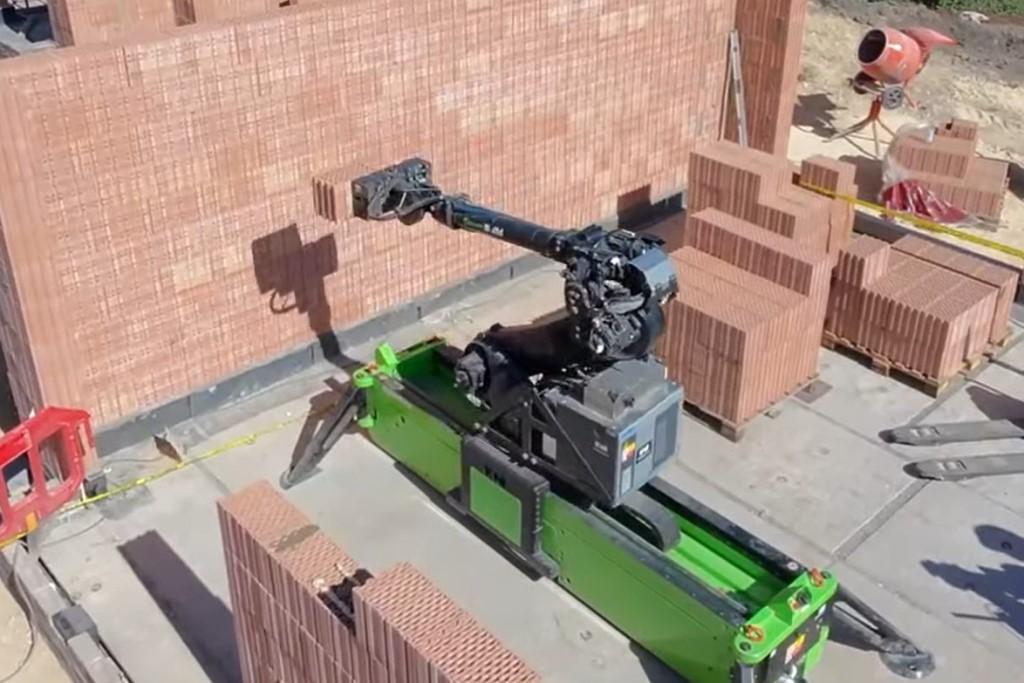
WLTR (pronounced Walter), the Wall Laying Terra-Based Robot, is designed to help bricklayers. Built to tackle tough, repetitive work, it could help ease the industry’s skilled labour shortage.
The robot takes on one of the toughest, most repetitive jobs on building sites, helping solve the serious shortage of skilled workers.
“When I did the survey, the average age of a bricklayer in the UK is 46 years, which means nobody is learning it. So in 20 years’ time, who is going to build the houses if you need a bricklayer?” said Dr Jan Telensky, founder and CEO of JT Lifestyle Homes and the robot’s co-developer.
How WLTR Works
WLTR could be the construction industry’s much-needed hero.
“This robot does the work of five bricklayers and one labourer in one hour, operated by one man. It works in all weathers, doesn’t need scaffolding. It’s got all the plans in its head. It works by itself. All you need to do is supply it with two pallets of bricks and it just flies. The tolerance of the wall is two millimetres. To achieve that with a bricklayer, it’s probably only one percent who is that good,” Telensky said.
The bricklaying robot builds walls at about 108 square feet per hour. It uses grooved, robot-ready bricks which allow it to grip, lift, and place. WLTR requires a prepared first layer of bricks and must be monitored by trained workers.
Environmentally Friendly
It is also designed to be more environmentally friendly.
“It uses a glue so there is no cement. As you know, cement is the biggest polluter of Earth. Six percent of CO2 comes from manufacturing cement and using cement on a building site,” Telensky said.
With the UK government pushing to build 1.5 million new homes, robots like WLTR could be game-changers.
Telensky says WLTR could help attract young people to bricklaying.
“We’ve done the research, I promise you. We will not say ‘you will be a bricklayer’. We will say you will be a ‘robot operator building with bricks’. They love it. They enjoy it because it’s like playing computer games. The future is that we can bring in young people to work on a building site because they prefer working with a robot rather than doing it the manual way.”
Source: Reuters