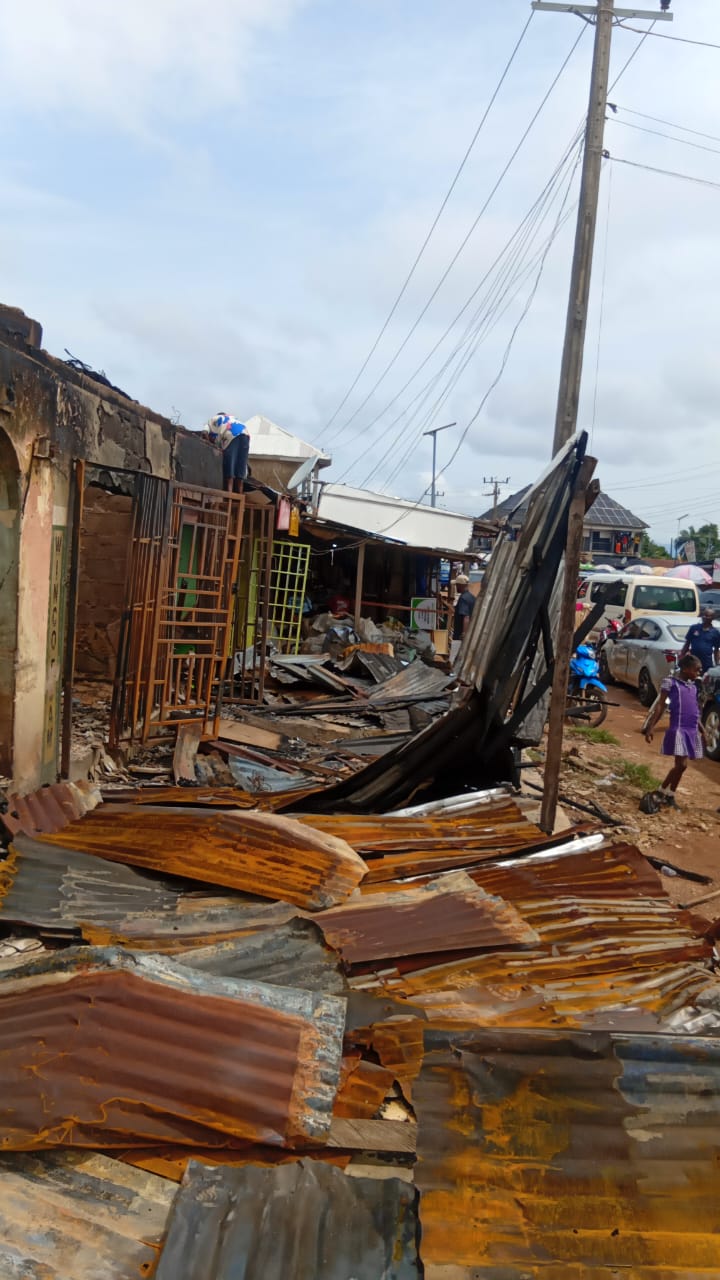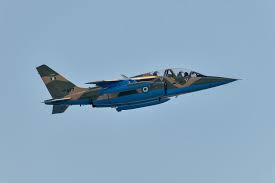
At least 200 civilians are feared dead after Nigerian military jets struck a village market while pursuing Islamist militants in the northeast of the country on Saturday night, a councillor for the area and residents said on Sunday.
The strike occurred in a village in Yobe state on the border with Borno, the heartland of a long-running Boko Haram insurgency that has killed tens of thousands of people and displaced millions more over the past 15 years.
According to Reuters, the Nigerian Air Force initially said it had killed Boko Haram militants in the Jilli axis in Borno state. But the government of neighbouring Yobe state later confirmed that an air strike had been conducted near a market where shoppers and vendors had gathered.
“We’ve been told that some people from Geidam local government area bordering Gubio in Borno state who went to the Jilli weekly market were affected,” said Brigadier General Dahiru Abdulsalam, military adviser to the Yobe state government. He gave no further details on the number of casualties.
Lawan Zanna Nur Geidam, the councillor and traditional head of Fuchimeram ward in Yobe’s Geidam district, described the scene in a telephone interview with Reuters.
“It’s a very devastating incident at Jilli Market,” he said. “As I’m speaking to you, over 200 people have lost their lives from the air strike at the market.”
Three other residents and an official from an international humanitarian agency confirmed the strike and the estimated death toll.
Ahmed Ali, a 43-year-old resident who sells medical consumables at the market, said from his hospital bed that he had been injured in the blast.
“I became so scared and attempted to run away, but a friend dragged me and we all lay on the ground,” he said.
The Yobe State Emergency Management Agency said it had received preliminary reports of an incident at Jilli Market “which reportedly resulted in casualties affecting some marketers” and that it had activated its emergency response.
The Nigerian Air Force, responding to reports of civilian casualties, said in a statement that it had activated its Civilian Harm Accident and Investigation Cell “to immediately proceed to the location on a fact-finding mission on the allegation.”
The military is now under pressure to explain how an operation targeting Islamist militants ended with scores of civilians dead at a weekly market.
The tragedy in Yobe state is the latest chapter in a long and bloody insurgency. Boko Haram and its offshoot, Islamic State West Africa Province, have terrorised northeastern Nigeria for more than 15 years. Military operations against the militants have often been criticised by human rights groups for their heavy toll on civilian populations. Airstrikes in particular have repeatedly been accused of hitting markets, camps for displaced people, and villages where militants were believed to be hiding.
Saturday night’s strike appears to be one of the deadliest in recent years.
The Jilli market was a weekly gathering where residents from both Yobe and Borno states came to trade goods. By choosing to strike near the market, the military may have been pursuing militants who were hiding among civilians — a tactic that insurgents have used for years to avoid detection.
But for the families of those killed, the reason matters little. What remains are the injured in overcrowded hospitals, the dead waiting to be buried, and a community shattered.
The incident has drawn attention to a part of the world that rarely makes front-page news in Britain, but it matters for several reasons.
The United Kingdom has been a major donor to Nigeria’s counter-insurgency efforts. British military personnel have trained Nigerian forces, and UK aid money has supported humanitarian programmes for those displaced by the conflict. When Nigerian air strikes kill civilians, it raises uncomfortable questions about the use of British-supported military assets.
There is also the broader question of civilian protection. Human rights organisations have long documented cases of Nigerian military strikes killing dozens of civilians. Each new tragedy makes it harder for Western governments to justify continued military support without demanding stronger safeguards.
For the Nigerian government, the incident is a political liability. President Bola Tinubu’s administration has promised to tackle the insurgency while protecting civilians. After Saturday night, that promise looks harder to keep.
The Nigerian Air Force has promised a fact-finding mission. The Yobe State Emergency Management Agency has activated its response. The injured are being treated in hospitals in Yobe and Borno.
But for the families of the 200 people feared dead, those official responses are cold comfort. They are left to bury their dead and ask a question that has been asked too many times across northeastern Nigeria: how did this happen again?
The military says it was pursuing militants. Residents say their loved ones were just shopping at the market.