Nigeria’s Minister of Finance and Coordinating Minister of the Economy, Wale Edun, has defended the country’s external reserves amid recent declines, insisting that Nigeria remains financially stable. However, his assurances come against a backdrop of persistent concerns over weak budget implementation and the limited real-sector impact of ongoing economic reforms.
Speaking at the IMF Spring Meetings, Edun said fluctuations in Nigeria’s reserves are normal within a liberalised foreign exchange system. He stressed that the country maintains around 13 months of import cover — well above the three to six months benchmark recommended by the International Monetary Fund.
“With around 13 months of import cover, Nigeria is in a very comfortable position. Such fluctuations are normal, and there is no cause for concern,” he said.
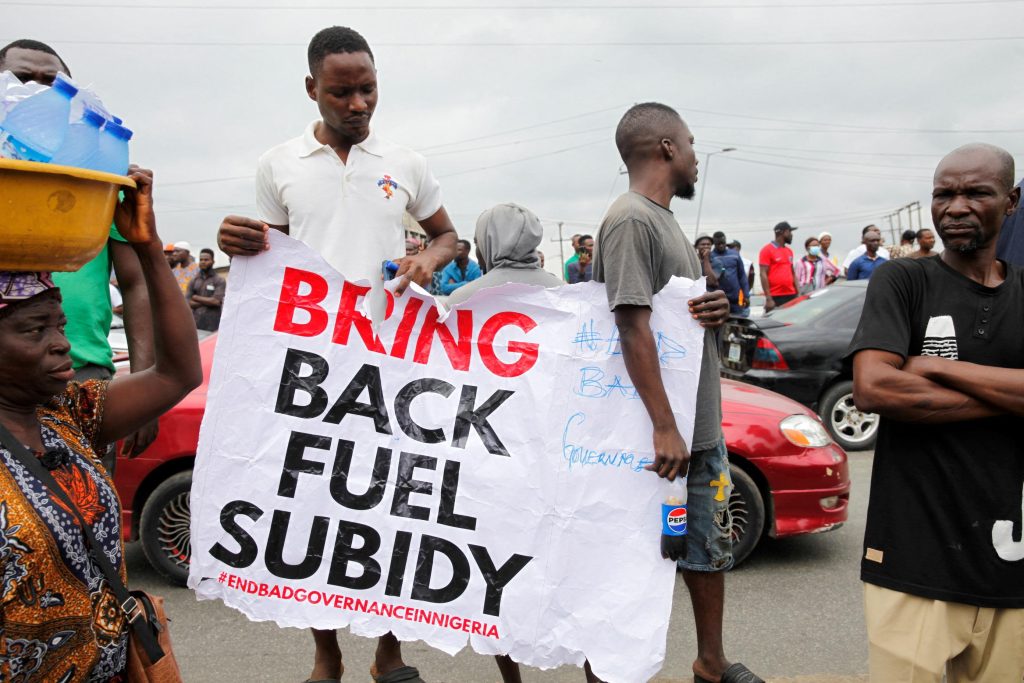
Edun also argued that in a more market-driven system, the traditional emphasis on reserve levels is becoming less relevant. He pointed to reforms introduced under President Bola Tinubu, including exchange rate unification and the removal of fuel subsidies, as key drivers of improved liquidity and investor confidence.
While these reforms have boosted government revenues — particularly through savings from subsidy removal — and improved foreign exchange inflows, analysts say the benefits have yet to translate into widespread economic improvements for ordinary Nigerians.
A key concern remains Nigeria’s longstanding challenge with budget execution. Capital expenditure, which directly affects infrastructure, job creation, and productivity, continues to fall short of allocations.
In many fiscal cycles, capital budget implementation has ranged between 50 and 70 per cent, with actual cash-backed releases often significantly lower. By contrast, recurrent spending — such as salaries and debt servicing — tends to be fully implemented.
This imbalance has limited the tangible impact of reforms on everyday economic conditions.
Recent data from the Central Bank of Nigeria showed that external reserves declined from approximately $50.03 billion in March 2026 to $49.48 billion within two weeks — a drop of about $547 million.
Meanwhile, Fitch Ratings has projected that reserves could fall further to around $47 billion by the end of 2026, citing fiscal pressures and external obligations.
Despite this, Edun downplayed the significance of such movements.
“In a situation where the market is functioning with significant liquidity, focusing solely on reserves is less relevant than it was in the past,” he said.
Economists argue that the central issue is not policy direction but execution. While macroeconomic indicators suggest progress, many Nigerians continue to face high inflation, currency volatility, and limited improvements in living standards.
Experts say that stronger budget implementation — particularly in infrastructure such as roads, power, and healthcare — would help bridge the gap between policy and outcomes.
Improved fiscal discipline and transparency could also reinforce investor confidence, complementing gains made through foreign exchange reforms.
Edun reiterated that the government will not reverse its reform agenda, warning that policy inconsistency could undermine progress. Instead, he called for targeted interventions to address specific economic challenges while maintaining the broader shift towards a market-driven system.
As Nigeria navigates this transition, attention is increasingly shifting from policy announcements to measurable results. While external reserves remain an important indicator of stability, their long-term significance will depend on how effectively fiscal policies are implemented.
For now, the government maintains there is no cause for concern. However, critics point out that poverty levels, unemployment, corruption, underdevelopment, insecurity, and human capital indicators have continued to worsen since the Tinubu administration began. As a result, Edun’s defence of the reforms appears disconnected from the lived realities of many Nigerians.