Across Nigeria’s 36 states and the Federal Capital Territory , billions of naira are allocated annually as “security votes” — discretionary funds intended to tackle urgent security challenges. These funds are designed to give governors flexibility to respond quickly to threats such as banditry, kidnapping, insurgency, and communal violence.
However, despite the scale of spending and the worsening security situation across the country, a persistent and troubling question remains: what exactly are these funds used for?
Available data from budget analyses and media reports show a consistent increase in security vote allocations in recent years. According to findings reported by Punch Newspapers, Nigerian states budgeted approximately ₦150.47 billion for security votes in 2023, which increased to ₦164.07 billion in 2024, and further rose to about ₦210.68 billion in 2025.
This brings the total allocation within the three-year period to roughly ₦525 billion — a sharp increase of over 40 percent within three years, reflecting the growing concern over insecurity nationwide. Additionally, separate reports indicate that at least 21 states collectively earmarked about ₦133 billion for security votes in 2025 alone, highlighting the widespread reliance on this funding mechanism.
Earlier data reinforces the scale of the issue. Research cited by Africa Check suggests that Nigerian governors have historically received around ₦208 billion annually in security votes, while a report referenced by TVC News indicated that the figure rose to over ₦375 billion in a single year by 2021.
These figures do not always include additional allocations at the local government level, which further increases the total public expenditure on security votes.
Security votes are monthly allocations provided to state governors to enable rapid response to security challenges. Unlike standard government expenditures, these funds are not strictly tied to detailed procurement processes or public disclosure requirements.
In theory, this flexibility allows state governments to:
- Fund intelligence gathering and surveillance operations
- Support federal security agencies such as the police and military
- Provide logistics, vehicles, and equipment
- Respond swiftly to emergencies without bureaucratic delays
Former Ekiti State governor Kayode Fayemi has explained that security votes are often used to supplement federal security funding, including paying allowances and procuring operational resources.
However, while the intention behind security votes is operational efficiency, their structure has created significant transparency challenges.
One of the most contentious issues surrounding security votes is the lack of accountability. Unlike other public funds, these allocations are rarely subjected to detailed public scrutiny. There is no standardised reporting framework requiring governors to disclose how the funds are spent, and many state budgets list security votes as lump sums without detailed breakdowns.
Requests for information are frequently denied on the grounds of national security, leaving citizens and watchdog groups with limited insight into how public resources are utilised.
The Socio-Economic Rights and Accountability Project (SERAP), a prominent civil society organisation, has repeatedly called on governors to account for these funds, arguing that Nigerians have a constitutional right to transparency. Legal experts also note, based on analyses referenced by Africa Check, that security votes are not legally classified as entirely secret expenditures and should be subject to some level of accountability, even if sensitive operational details are protected.
Over the years, allegations have emerged suggesting that security votes are sometimes mismanaged or diverted. Critics, including civil society groups and some public officials, have described the funds as vulnerable to abuse due to weak oversight mechanisms.
Reports from The Guardian Nigeria have highlighted concerns that security votes may be treated as discretionary funds with minimal checks, while investigations cited by the Foundation for Investigative Journalism (FIJ) have pointed to instances where funds were distributed to agencies without clear security mandates.
SERAP has also raised concerns about alleged embezzlement and has called for investigations by anti-corruption agencies such as the Economic and Financial Crimes Commission (EFCC) and the Independent Corrupt Practices Commission (ICPC).
A major structural issue contributing to this problem is constitutional immunity. Sitting governors are protected from prosecution while in office, making it difficult for anti-corruption agencies to investigate or prosecute alleged misuse of funds in real time. This limitation further weakens accountability and allows questionable practices to persist without immediate consequences.
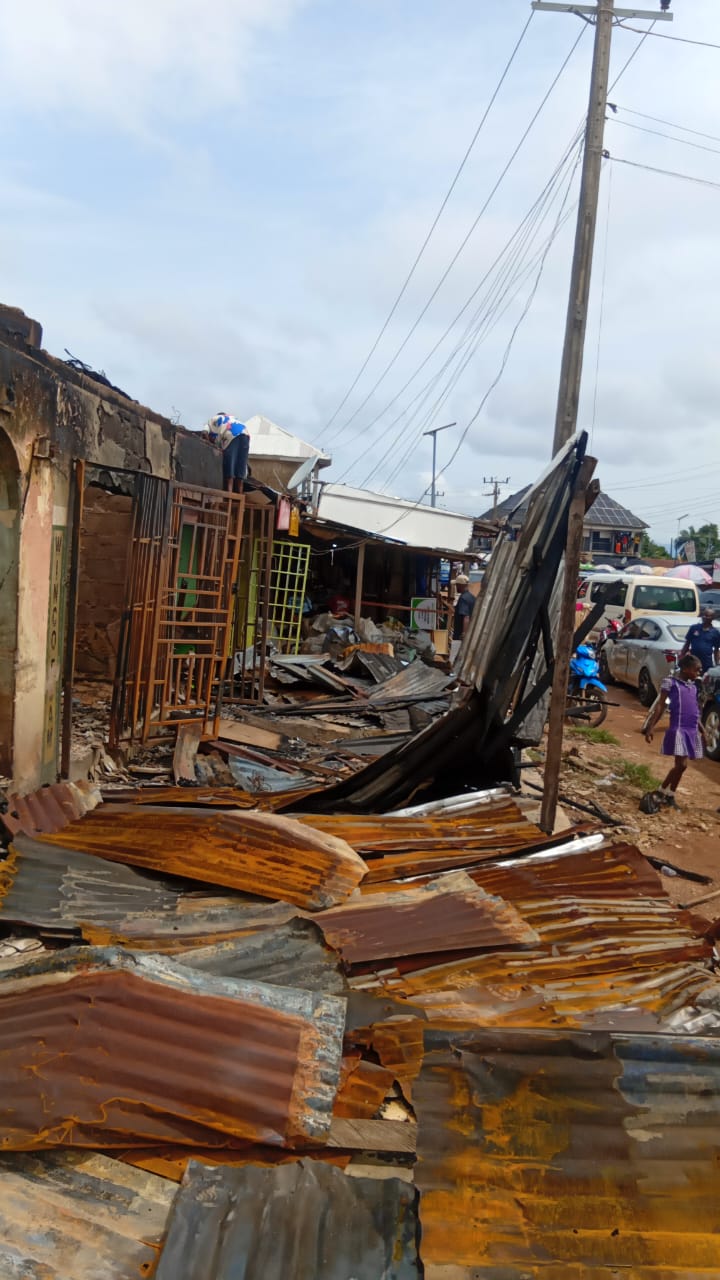
Perhaps the most alarming aspect of the security vote system is the disconnect between increased spending and actual security outcomes. Despite hundreds of billions of naira allocated over recent years, insecurity remains a major challenge across Nigeria.
- Kidnappings for ransom continue to affect both urban and rural areas
- Banditry and insurgency persist in several northern states
- Communal clashes and herder-farmer conflicts remain widespread
- Urban crime, including armed robbery, continues to threaten lives and livelihoods
Reports from Punch Newspapers indicate that even in regions receiving substantial security vote allocations, incidents of violence and mass abductions continue to occur. In northern Nigeria alone, governors reportedly accessed over ₦56 billion in security votes within the first nine months of 2025, yet high-profile attacks were still recorded during the same period.
Data from BudgIT also shows that Nigeria’s overall security and defence spending runs into trillions of naira when federal allocations are included, yet measurable improvements in safety and stability have remained inconsistent.
At the grassroots level, many Nigerians express scepticism about the effectiveness of security votes. Community leaders and residents in high-risk areas often report little visible impact from these substantial allocations.
Local vigilante groups frequently complain of inadequate funding and lack of equipment, while communities continue to rely on informal security arrangements for protection. In many cases, residents report delayed or insufficient responses from formal security agencies, raising questions about whether these funds are reaching the areas where they are most needed.
This gap between public spending and lived experience has contributed to a growing trust deficit between citizens and state governments. Many Nigerians increasingly view security votes as a system that operates outside public accountability, reinforcing concerns about governance and transparency.
Nigeria’s Freedom of Information Act provides a legal framework for citizens to request access to public records. Courts have affirmed that the Act applies broadly to public institutions, including state governments.
However, attempts to obtain information about security vote expenditures through FOI requests have largely been unsuccessful. Many state governments reject such requests on security grounds, while others fail to respond altogether. SERAP has pursued legal action in several instances, arguing that blanket secrecy undermines democratic accountability and that aggregate spending details should be disclosed without compromising national security.
State Houses of Assembly are constitutionally responsible for overseeing government spending, including security votes, but their effectiveness in this role has been widely questioned. Challenges such as political alignment with state executives, limited technical capacity, and lack of institutional independence often hinder meaningful oversight. As a result, legislative scrutiny of security votes remains weak, further contributing to the accountability gap.
Experts and policy analysts widely agree that reform is necessary to restore public confidence and ensure that security votes fulfil their intended purpose.
Proposed solutions include:
- Introducing partial transparency measures that allow governments to publish high-level spending categories without revealing sensitive operational details
- Implementing independent audits conducted under confidentiality agreements
- Strengthening legislative oversight mechanisms
- Incorporating community feedback into security planning and evaluation
There is also growing support for stronger post-tenure accountability measures to ensure that former officeholders can be investigated and held responsible for any misuse of funds after leaving office. Such measures could serve as a deterrent and reinforce the principle that public funds must be used in the public interest.
Security votes were introduced as a pragmatic response to Nigeria’s complex and evolving security challenges. Their flexibility allows for rapid intervention in crisis situations, but this same flexibility has also created a system that is highly opaque and difficult to regulate.
With over ₦500 billion allocated within just three years and insecurity still a pressing concern, the demand for accountability has become increasingly urgent.
Transparency does not have to undermine security operations. Rather, a balanced approach that protects sensitive information while ensuring financial accountability can strengthen both governance and public trust.
Until such reforms are implemented, the central question will continue to dominate public discourse: are security votes truly safeguarding citizens, or are they being absorbed into a system that remains largely hidden from those it is meant to protect?