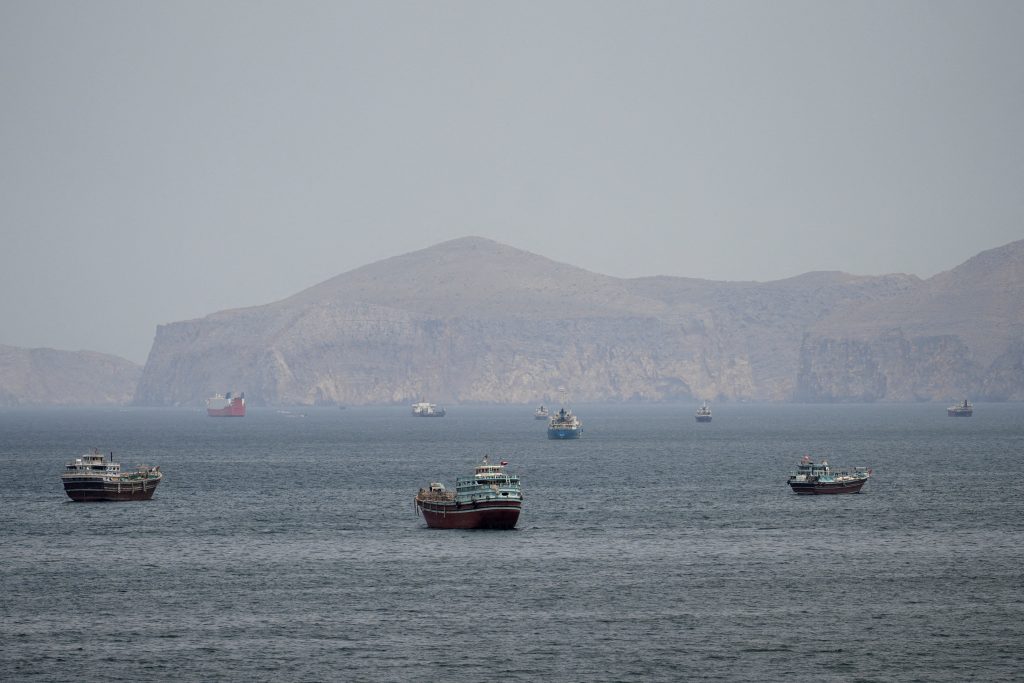
Iran has reinforced its control over the strategic Strait of Hormuz after releasing dramatic footage of its forces seizing two cargo vessels, escalating tensions following the breakdown of peace talks with the United States.
The video, aired on Iranian state television, shows armed commandos approaching a large commercial ship in a speedboat, climbing aboard, and storming the vessel. Iran identified the ships as the MSC Francesca and the Epaminondas, accusing them of attempting to pass through the strait without proper authorisation.
The move underscores Tehran’s ability to disrupt one of the world’s most critical energy corridors, despite the overwhelming naval presence of the United States. Before the conflict, roughly one-fifth of global oil and liquefied natural gas shipments passed through the waterway.
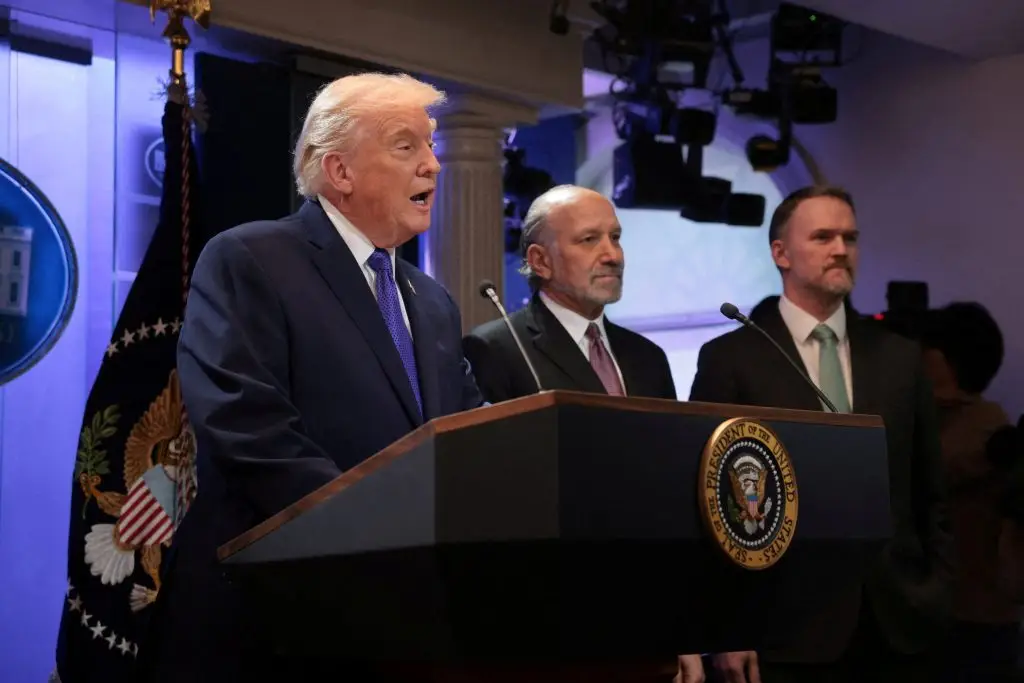
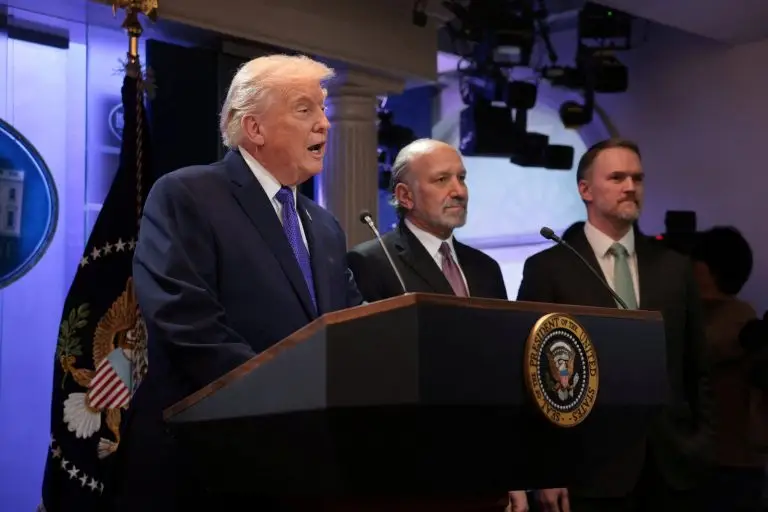
US President Donald Trump downplayed the threat, referring to Iran’s vessels as “little wise-guy ships,” but warned of military consequences if Tehran refuses to negotiate.
“I’m in no rush for a deal,” Trump told reporters. “But if they don’t want one, I’ll finish it up militarily.”
The seizures come after recent diplomatic efforts collapsed. Talks held in Pakistan earlier this month failed to produce an agreement, leaving a fragile ceasefire — in place since April 8 — under increasing strain.
Iran has insisted it will not reopen the strait until Washington lifts its naval blockade, which Tehran argues violates the terms of the truce. It has also cited ongoing Israeli military actions in Lebanon, particularly against Hezbollah, as a barrier to renewed negotiations.
Meanwhile, geopolitical tensions widened as Israel signalled readiness to resume military operations against Iran. Defence Minister Israel Katz said the country was awaiting US approval for further strikes.
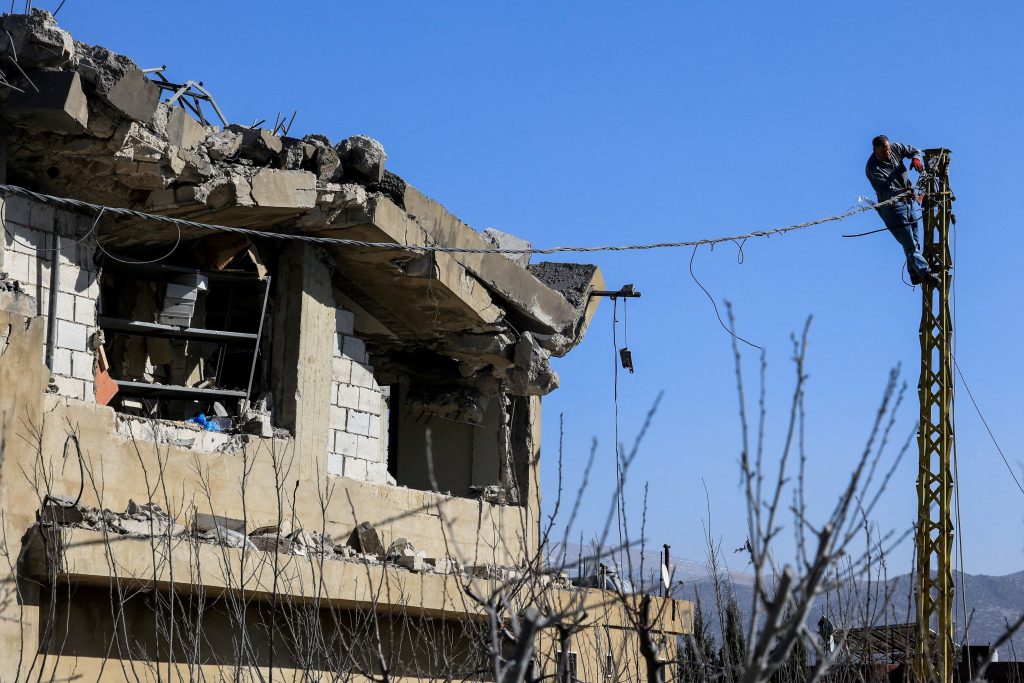
In a separate development, Israel and Lebanon agreed to extend their ceasefire following talks at the White House. Trump said he expects to host Israeli Prime Minister Benjamin Netanyahu and Lebanese President Joseph Aoun for further discussions, though uncertainty remains over Beirut’s influence on Hezbollah.
Despite asserting that the US maintains “total control” over the strait, Washington has increased its military posture. Trump said he had ordered US naval forces to respond aggressively to Iranian mine-laying operations and intensify demining efforts.
The US military also confirmed intercepting and redirecting dozens of vessels since enforcing its blockade, including boarding a tanker in the Indian Ocean believed to be carrying millions of barrels of crude oil.
While Trump ruled out the use of nuclear weapons, he maintained that US conventional forces had already significantly weakened Iran’s military capabilities.
Iranian officials, however, rejected claims of internal divisions, with Supreme Leader Ali Khamenei accusing foreign media of attempting to undermine national unity.
As tensions persist, the situation in the Strait of Hormuz continues to pose a serious risk to global energy markets and economic stability.
Sources: Reuters