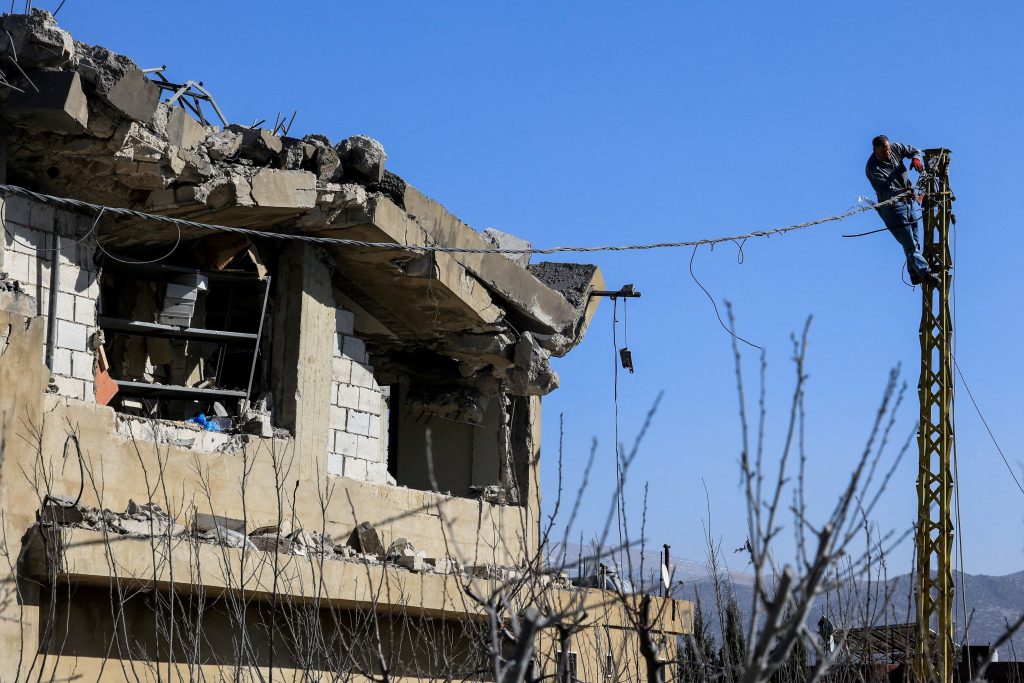
NIGERIA: For the people of Katsina State, life has become a cruel equation. The rhythm of farming — planting at dawn, harvesting at dusk — has been replaced by the rhythm of fear. Every trip to the field is a gamble: will the farmer return with food, or will he be cut down by bandits who have turned the countryside into a killing ground?
For more than a decade, villages across Dutsinma, Jibia, Kankara, Batsari, and beyond have lived under the shadow of commanders who thrive on kidnapping, extortion, and mass murder. Their names are not secrets. Their crimes are not rumours. They are written in blood across the land.
And yet, in June 2026, seven of these men boarded flights, crossed borders, and stood in Mecca as pilgrims. They performed the sacred rites of Hajj — circling the Kaaba, praying on the plains of Arafat, reciting words of purification. Then they returned to Nigeria, only to be arrested at Umaru Musa Yar’Adua International Airport in Katsina.
On Friday, June 27, 2026, Nigeria’s Minister of Interior, Dr Olubunmi Tunji-Ojo, announced their arrest. He credited the success to Nigeria’s newly integrated digital identity system, which links national databases with Interpol records. The men were handed to the DSS and flown to Abuja. Tunji-Ojo hailed the arrests as proof of reform. But the celebration raises painful questions. If these commanders were already flagged in databases, how did they obtain passports, clear immigration, and complete the pilgrimage before anyone acted? Arresting them at the airport is not triumph — it is evidence of a system that failed until the very last moment.
The scandal deepened when Dr Bashir Kurfi, a respected security analyst, alleged on national television that some of these bandit leaders had been sponsored for Hajj by the Katsina State Government — at a cost of ten million naira each. He even named a notorious kingpin among them. The state government swiftly denied the claims, branding them baseless and politically motivated. The Commissioner for Internal Security, Dr Nasir Mu’azu, dismissed the allegations as “deliberate falsehood.” The Pilgrims Welfare Board also denied involvement. Yet immigration sources confirmed that suspected commanders — and even foreign nationals — were among those detained.
Whether or not sponsorship occurred, one fact is undeniable: this episode exposes a colossal failure of Nigeria’s security system. These men were not hiding. Some had even been in dialogue with officials under controversial peace deals. The gap between who is wanted and who is flagged is not just technical — it is political.
Beyond the politics lies a deeper outrage. These men, whose hands are stained with the blood of farmers, schoolchildren, and travellers, chose to perform Hajj — the sacred pilgrimage meant for the pure of heart. A leaked audio recording revealed one commander mocking pleas for mercy from a government official who begged him in Allah’s name to stop killing. That same man later prayed in Mecca for mercy upon himself. It is not only hypocrisy; it is desecration.
The Quran is unambiguous: “Whoever kills a soul…it is as if he has killed all of mankind.” These commanders have killed hundreds. To imagine that Hajj absolves them without justice insults Islam and dishonours the millions of Nigerian Muslims who saved for decades to make the pilgrimage with clean hands.
This scandal also highlights the flawed peace strategies pursued in the northwest — ceasefires, amnesties, and concessions that suspend violence but never end it. Protected relationships between the state and bandit leaders allowed them to travel abroad. Only the new identity system flagged them upon return. To call this a triumph is to ignore the shame of what came before.
For years, governments have wrestled with the impossible arithmetic of countering insurgency while negotiating with commanders who hold leverage over communities. Some deals brought temporary calm. Others simply reorganised violence. Analysts agree: concession without disarmament and accountability does not end banditry. It suspends it.
The government has yet to explain how these men obtained passports, whether they were on watchlists before departure, if arrest warrants existed prior to their return, or whether they flew through Abuja or Katsina airports, or used transit countries. These unanswered questions cut to the heart of Nigeria’s credibility. The people of Katsina — and Nigeria at large — deserve a state that enforces its laws without exception, a justice system that does not allow killers to pray in Mecca and return home unpunished.
The seven commanders now sit in DSS custody. What happens next will define Nigeria’s justice system. If they are tried transparently and convicted, it could mark a turning point. If they vanish into bureaucratic shadows, it will be remembered not as justice but as theatre — a brief pause before they return to the forests to continue their bloody work.
Nigeria has seen this play before. It cannot afford a repeat.
For comments, reflections, and further conversation:
Email: samuelagogo4one@yahoo.com