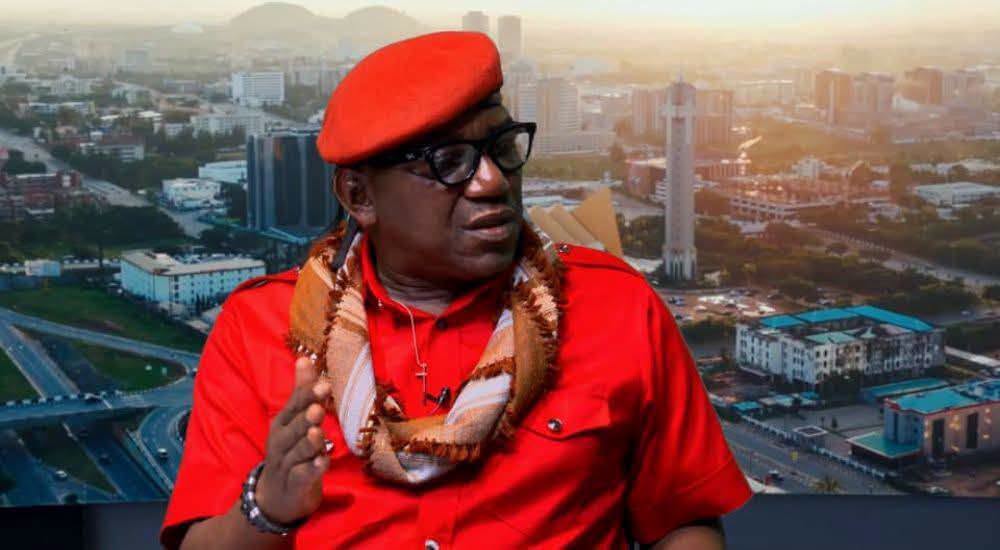
ABUJA, Nigeria — Former Minister of Youth and Sports Development, Solomon Dalung, has criticised the Tinubu administration’s handling of criticism, accusing the government of embracing praise while dismissing dissenting voices.
In a statement, Dalung argued that the Presidency has demonstrated a pattern of welcoming commendations but reacting defensively to criticism.
He cited the recent defence of President Bola Tinubu by Pastor Enoch Adeboye on issues of insecurity, noting that the Presidency and its supporters praised the cleric without questioning his involvement in public affairs.
According to Dalung, the reaction was markedly different when John Cardinal Onaiyekan commented on concerns raised by the Catholic Bishops regarding insecurity, poverty, and governance.
He alleged that instead of addressing the substance of the cardinal’s remarks, critics sought to question his motives and the denomination he represents.
Dalung described the trend as evidence of a government increasingly surrounded by “yes-men,” arguing that such individuals view praise as objective while dismissing criticism as politically motivated.
“The real question is why those in power seem more interested in discrediting those who raise concerns than in addressing the concerns themselves,” he said.
The former minister also defended Cardinal Onaiyekan’s record, stating that the cleric has consistently spoken on issues of governance, justice, insecurity, corruption, national unity, and the welfare of Nigerians under successive administrations.
According to Dalung, Onaiyekan made similar interventions during the administrations of former Presidents Goodluck Jonathan and Muhammadu Buhari, demonstrating consistency rather than political selectivity.
He maintained that governments confident in their performance should respond to criticism with evidence rather than questioning the motives of their critics.
Dalung further argued that freedom of expression should apply equally to religious leaders regardless of whether their views align with prevailing political interests.
“Religious leaders are citizens before they are symbols. They have every right to speak. We have every right to disagree,” he said, adding that public debate should focus on the substance of their views rather than political considerations.
The comments come amid ongoing public debate over recent statements by Catholic bishops and Cardinal Onaiyekan concerning Nigeria’s economic conditions, insecurity, and governance, and the subsequent responses from some presidential aides.