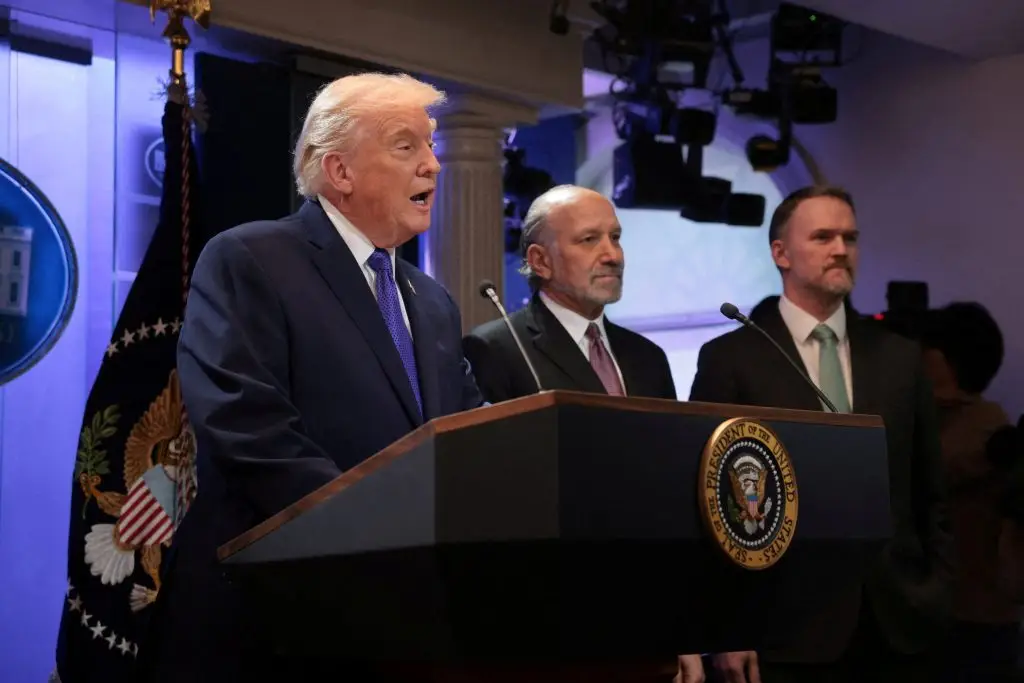
A US-based firm, Von Batten-Montague-York, L.C., has released excerpts from what it says is an FBI sworn declaration filed in a US federal court on August 28, 2026, arguing that the document contradicts claims that President Bola Ahmed Tinubu was never the subject of a criminal investigation .
The firm, in a post on X on Monday, said it had received a “huge amount of records” and was reviewing and redacting portions before making them public .
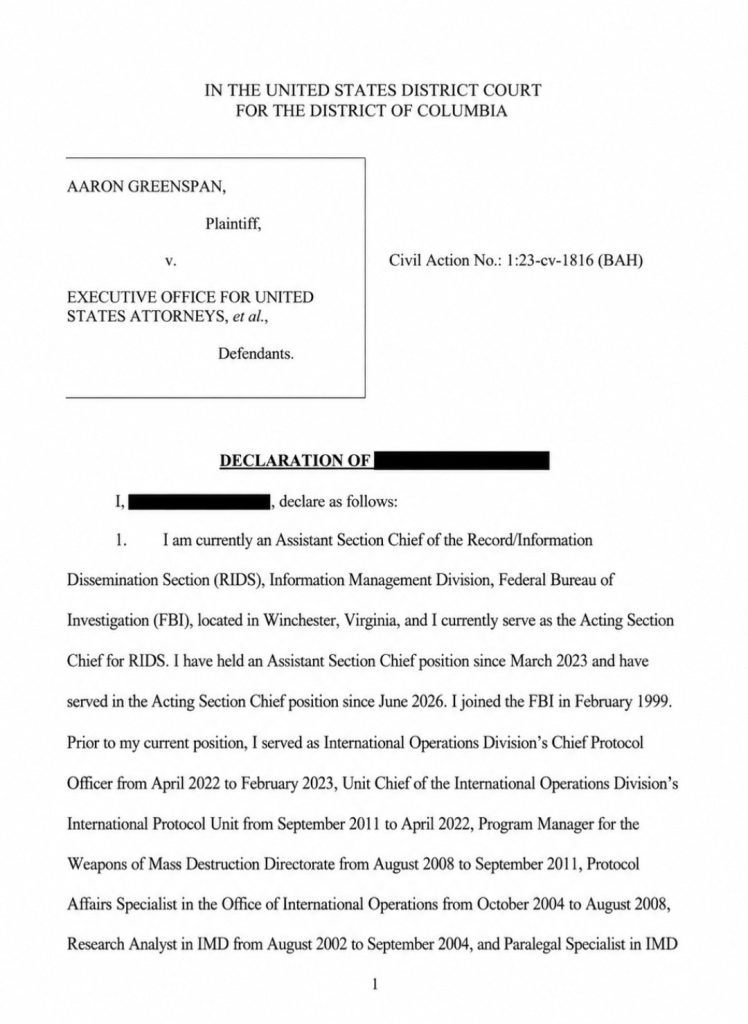
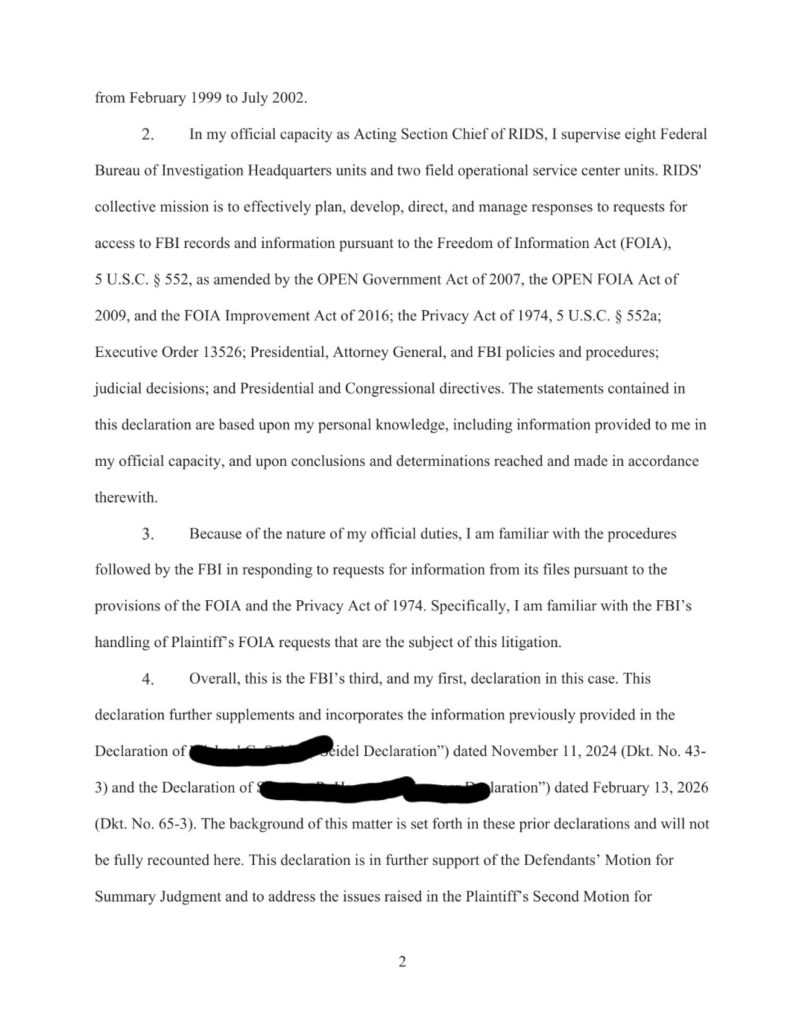
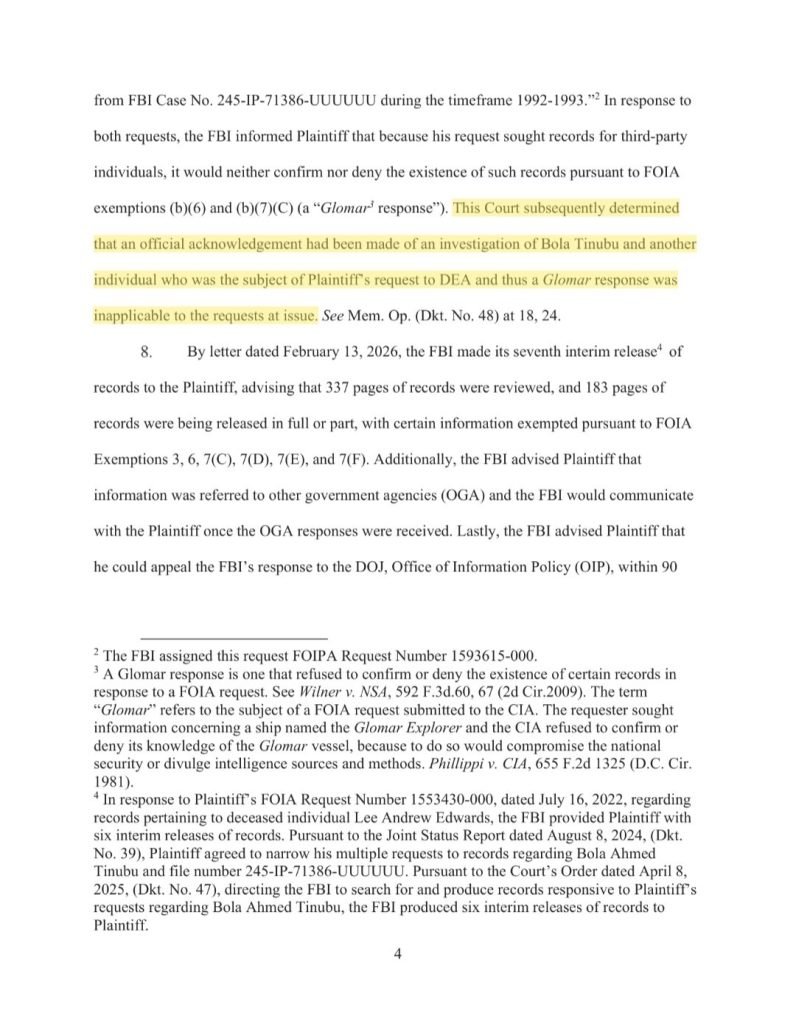
According to the firm, the FBI declaration states that the court had previously determined that a criminal investigation involving Tinubu had been officially acknowledged .
Von Batten-Montague-York further claimed that the declaration establishes that Tinubu was criminally investigated in connection with alleged heroin trafficking .
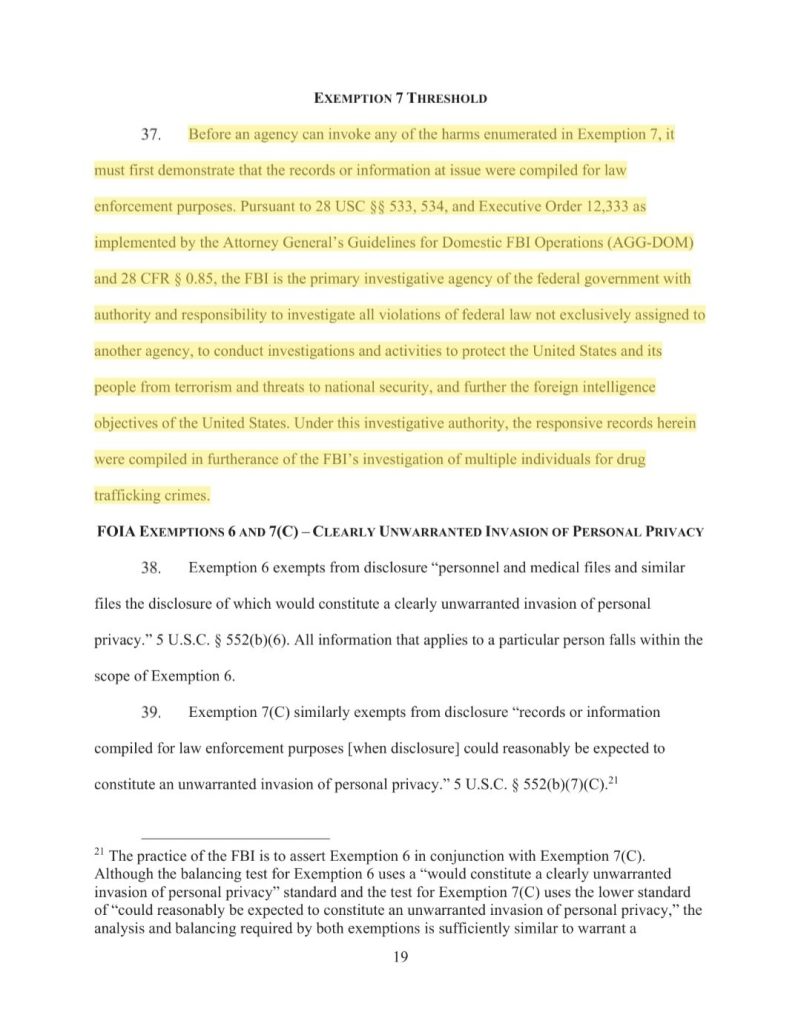
The firm highlighted a portion of the FBI’s filing which states that:
“The responsive records herein were compiled in furtherance of the FBI’s investigation of multiple individuals for drug trafficking crimes” .
The firm said the FBI was relying on law-enforcement exemptions under the Freedom of Information Act to withhold portions of the responsive records .
Firm Challenges Claims About Tinubu Investigation
The latest disclosure was presented by Von Batten-Montague-York as a response to claims that Tinubu had never been criminally investigated and was merely seeking to protect his privacy by opposing the release of the records .
The firm described that claim as false, arguing that the FBI’s sworn declaration demonstrates that Tinubu was investigated .
However, the precise wording and context of the FBI declaration are significant. A statement that records were compiled as part of an investigation into “multiple individuals for drug trafficking crimes” does not, by itself, establish the specific conduct attributed to every individual whose name may appear in those records .
Likewise, the existence of an FBI investigation does not establish that a person was charged, convicted or found guilty of a crime .
Case Continues in US Federal Court
The records form part of the continuing Freedom of Information Act litigation involving American transparency activist Aaron Greenspan and US government agencies .
Greenspan filed the case in June 2023 seeking records from agencies including the FBI and Drug Enforcement Administration relating to Tinubu . Among the materials Greenspan is pursuing are “the entire FBI file for Bola Ahmed Tinubu” and FBI Form 302 interview records from 1992-1993 .
Tinubu subsequently intervened in the litigation and has argued that the release of investigative records would infringe his privacy interests .
In a filing dated August 28, 2026, Tinubu’s legal team argued that previous public disclosures concerning a 1993 civil-forfeiture proceeding did not eliminate his privacy interest in the contents of investigative files . The lawyers also challenged aspects of the FBI’s search, document redactions, exemptions and the DEA’s handling of responsive records .
The dispute centres on which records can be released under US FOIA law and which portions may legally remain withheld .
The case therefore does not turn simply on whether records exist, but also on the legal basis for withholding particular information .
Background to the Tinubu Records
The controversy dates back to a 1993 US civil-forfeiture proceeding in Chicago involving approximately $460,000 forfeited to the US government from accounts connected to Tinubu . The proceeding arose from a government investigation involving heroin trafficking and money laundering .
Importantly, the forfeiture proceeding was civil rather than a criminal conviction of Tinubu for drug trafficking . The existence of investigative records does not by itself establish that Tinubu committed a crime, and the President has not been convicted of drug trafficking in connection with the records being sought .
The current FOIA litigation seeks access to additional US government records that could provide further information about the investigation and related matters .
FBI Seeks Sealed Filings
The FBI has also asked the court for permission to submit sensitive information privately and under seal to explain its decision to withhold portions of the requested records . The agency cited exemptions relating to personal privacy, confidential sources, law-enforcement methods and information that could endanger an individual’s life or physical safety .
The agency stated: “The FBI has invoked various Freedom of Information Act (FOIA) Exemptions, including 6, 7(C), 7(D), 7(E) and 7(F) regarding these requests, and determined the information withheld from Plaintiff in this case, if disclosed, would, among other things, disclose techniques and procedures for law enforcement investigations and/or could reasonably be expected to endanger the life or physical safety of any individual” .
The latest FBI declaration, as described by Von Batten-Montague-York, could therefore become an important document in the continuing legal dispute .
However, the full declaration and underlying records will need to be examined in their entirety to determine precisely what the FBI said about Tinubu, the scope of any investigation and the legal basis for withholding particular documents .
The court has scheduled Greenspan’s response for September 11, 2026, and the government’s final submission for September 18, 2026 . For now, the latest development represents a new escalation in the long-running battle over access to US law-enforcement records concerning the Nigerian President.
The final significance of the records will depend on what the documents themselves establish and on the findings of the US federal court .