In Nigeria, scandals rarely die quietly. They flare, they trend, they dominate headlines, and then—too often—they fade into silence. But silence, in matters of national security, is not neutral. Silence is complicity. Silence is scandal. And nowhere is this more evident than in the unresolved saga surrounding Senator Shehu Buba Umar, former Chairman of the Senate Committee on National Security and Intelligence.
For nearly two years, allegations have swirled around him—claims of ties to bandit kingpins, accusations of aiding suspected terrorists, petitions from governors and civil society groups, and viral videos that alternately smear and implicate. Some of these claims have been debunked, others remain unresolved, and still others demand urgent scrutiny. Yet, despite the gravity of what is at stake, Nigeria’s institutions have allowed the matter to linger in ambiguity.
The Viral Video That Unravelled and Hassan’s Testimony
It began, as so many controversies now do, with a video. A content creator known as D English Alhaji posted footage alleging that “high-profile bandit kingpins” were enjoying the hospitality of a serving senator. Online speculation quickly converged on Senator Shehu Buba. But the video collapsed under scrutiny. PRNigeria’s open-source investigation revealed it was a spliced montage of unrelated clips from 2023. The supposed “bandits” were in fact Kaduna businessmen visiting the senator after pilgrimage.
The senator’s aides described the video as a coordinated act of character assassination ahead of the 2027 elections. Their claim gained traction when federal prosecutors charged several individuals—including influencers and a lawyer—with cyberstalking and defamation tied to fabricated banditry claims. For a moment, it seemed the narrative had been punctured. But then came Hassan.
Unlike the doctored video, Hassan’s account was direct, personal, and specific. In an on-camera interview, he claimed to have lived within Senator Buba’s household and witnessed the senator arranging international passports for individuals he described as bandits. He alleged these men were lodged in upscale Abuja hotels under the senator’s watch. This was no spliced footage. It was a named individual making a factual claim about what he says he saw firsthand. It was not proof of guilt, but it was not nothing. It demanded seriousness. And it landed atop a mountain of unresolved allegations.
The 2024 Petition and A Troubling Mosaic
The trail stretches back to September 2024, when Bauchi State Governor Bala Mohammed petitioned President Bola Tinubu. He alleged that Senator Buba, through an aide, had registered and funded a suspected Zamfara bandit kingpin, Abubakar Idris, for Hajj. Alongside Idris was another traveller, Zainab Aliyu Gado. Security sources confirmed that DSS operatives seized Idris’s passport and detained him on suspicion of banditry and kidnapping. The governor’s petition went further, alleging that the senator’s office had facilitated motorcycles for groups and medical treatment for wounded fighters.
Senator Buba’s camp rejected the claims, dismissing them as political rivalry. His assistant insisted the senator had no aide by the name cited, and explained that he routinely sponsors pilgrims recommended by community elders. Yet, what remains undisputed is that Idris was arrested, and a security report reached the President’s desk. What remains unanswered is whether the DSS investigation was ever concluded—and if so, what it found.
Through 2025, the senator’s name surfaced repeatedly in troubling contexts: reports of peace overtures to Bello Turji, one of Nigeria’s most notorious terror figures; accusations of sectarian tension in Plateau State; links to Dogo Gide, another feared bandit leader; constituency backlash, where youths booed him during a condolence visit, accusing him of neglecting recruitment opportunities; and civil society petitions to the Presidency and Inspector-General of Police, demanding clarity on DSS scrutiny. Each allegation, taken alone, might be dismissed as rumour or rivalry. Taken together, they form a troubling mosaic.
By late November 2025, the Senate itself seemed to acknowledge unease. Senate President Godswill Akpabio dissolved the National Security and Intelligence Committee and redeployed Senator Buba to chair the Committee on Livestock and Animal Husbandry. Officially, it was a routine reshuffle. Unofficially, it looked like a quiet demotion.
Dalung’s Call for Clarity
Former Minister of Sports Solomon Dalung argued that Nigeria cannot allow a serving chairman of the Senate’s security committee to remain under unresolved suspicion. He pressed the DSS to clarify whether its 2024 investigation was concluded, whether the senator was cleared, and whether anyone was prosecuted. He warned that if such a relationship truly existed between a senator and a bandit kingpin, the implications would extend far beyond reputation—into intelligence access, operational compromise, and national security itself.
The danger here is not only in what may or may not have happened. The danger is in the silence. Silence erodes public trust. Silence fuels speculation and conspiracy. Silence leaves Nigeria vulnerable to manipulation by those who thrive in ambiguity. If Senator Buba is innocent, only a transparent investigation can clear him. If he is guilty, only accountability can protect Nigeria from further compromise.
What Must Happen
Nigeria cannot afford to let this matter fade into obscurity. The DSS must issue a public account of its 2024 investigation. The Senate must open an independent inquiry into the full run of allegations. The police must question Senator Buba on Hassan’s claims. And Hassan himself must be protected as a potential witness. This is not about convicting a man in the court of public opinion. It is about ensuring that Nigeria’s security institutions are not compromised by silence.
The story of Senator Shehu Buba is not yet resolved. It is a story of allegations, denials, petitions, and silence. But silence is not resolution. Silence is scandal. Nigeria deserves clarity. Nigeria deserves truth. Nigeria deserves to know whether one of its lawmakers, entrusted with overseeing national security, had any hand in shielding the men who have terrorised its villages. Investigate it. Clear the air. Let the facts, for once, be allowed to speak.
The Broader Crisis of Banditry and The Roots of Banditry
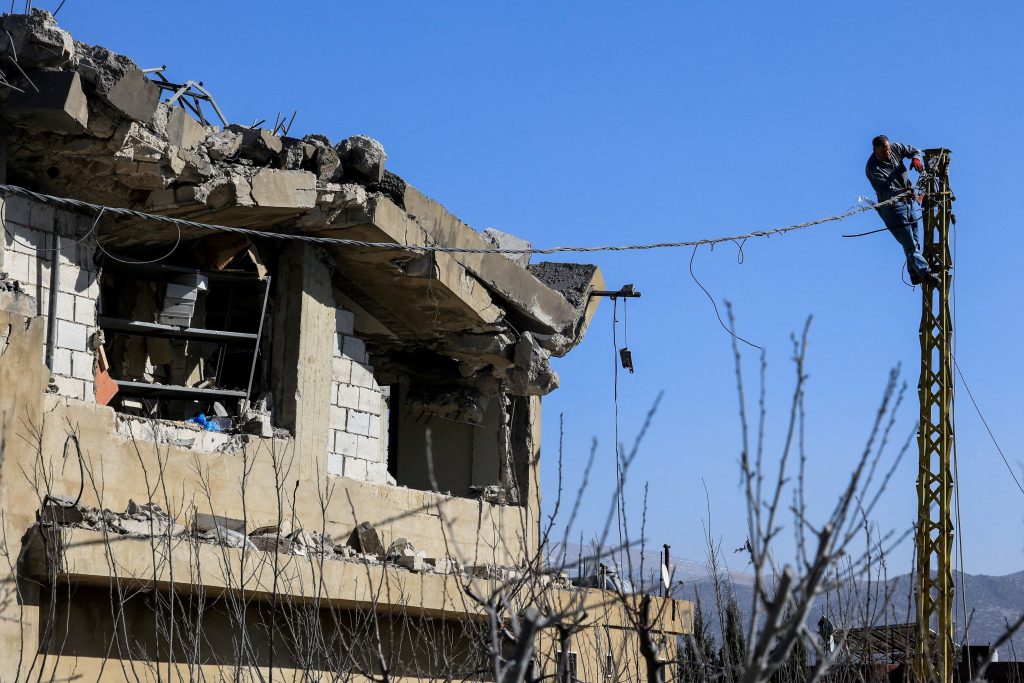
To understand why these allegations matter, one must grasp the broader crisis of banditry in Nigeria. Banditry is not a fringe problem—it is a national emergency. Armed groups, often riding motorcycles, have terrorised rural communities across Zamfara, Katsina, Kaduna, Sokoto, and Niger States. They raid villages, abduct schoolchildren, extort farmers, and impose levies on communities. The violence has displaced millions and killed tens of thousands.
Figures like Bello Turji and Dogo Gide are not mere criminals; they are warlords commanding networks of fighters, weapons, and illicit trade routes. Turji, for instance, is notorious for orchestrating mass abductions and brutal raids in Zamfara. Gide has been linked to cross-border smuggling and alliances with other terror groups. Allegations that a senator might have extended peace overtures or logistical support to such figures are therefore explosive.
The roots of banditry lie in Nigeria’s rural collapse. Decades of neglect, poverty, and unemployment created fertile ground for armed groups. The proliferation of small arms after conflicts in Libya and the Sahel worsened the crisis. Weak governance and corruption allowed bandits to thrive, often outmatching local security forces. Communities caught in the crossfire have suffered immeasurable trauma. Parents mourn abducted children. Farmers abandon fields. Villages empty out under the shadow of violence.
Against this backdrop, allegations against a senator are not trivial. They strike at the heart of whether Nigeria’s political elite are complicit in the insecurity ravaging the nation.
Global Parallels and The Human Cost
Globally, history offers sobering parallels. In Afghanistan, unresolved suspicions about politicians’ ties to warlords undermined trust in government. In Mexico, silence around cartel-linked officials allowed organised crime to infiltrate institutions. In Sierra Leone, ambiguity about political figures’ ties to rebels prolonged conflict. In each case, silence was not neutral—it was enabling.
Nigeria risks the same fate if it allows allegations against Senator Buba to remain unresolved. Institutions weakened by scandal lose credibility. Citizens lose faith. Criminal networks gain strength.
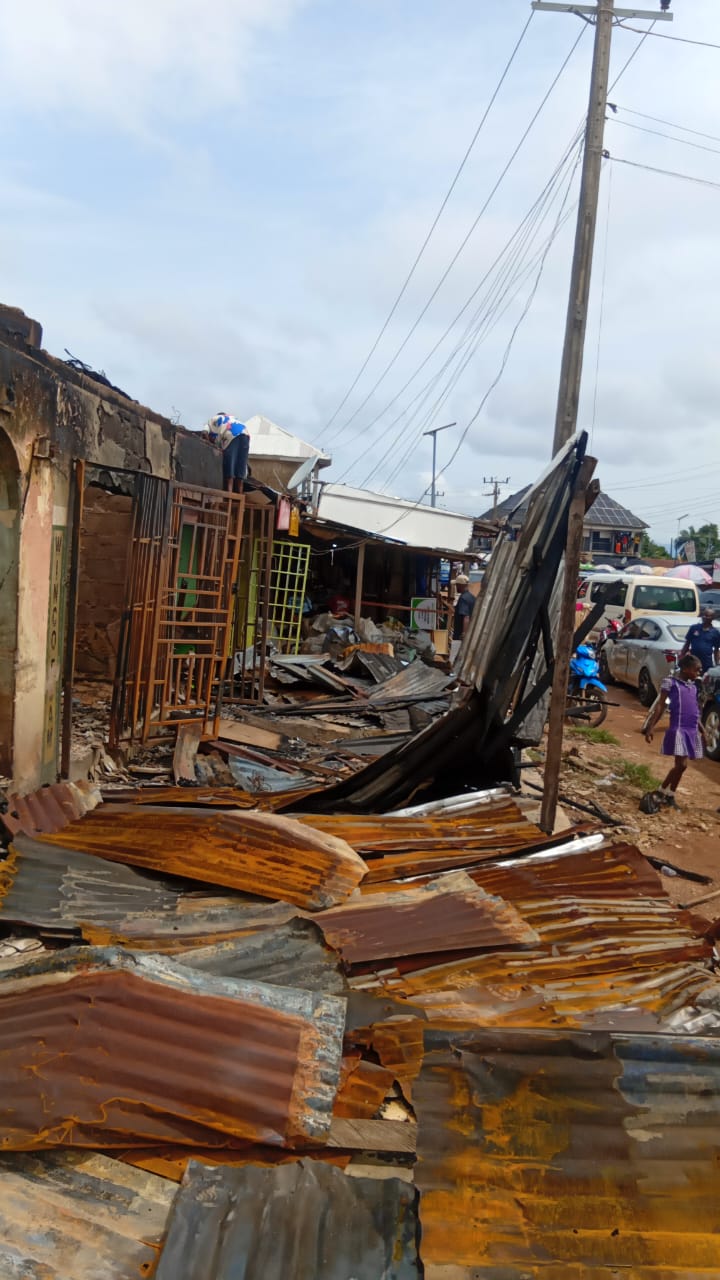
The human cost is staggering. In Zamfara, families recount nights when motorcycles roared into villages, gunfire shattered the air, and loved ones were dragged away. In Kaduna, schoolchildren abducted from classrooms remain missing. In Katsina, farmers pay levies to bandits just to harvest crops. These are not abstract statistics—they are lived realities. And they are why allegations of political complicity demand answers.
Nigeria’s democracy cannot thrive under shadows. The Senate must act. The DSS must speak. The police must investigate. Silence is not an option.
If Senator Buba is innocent, only transparency can clear him. If he is guilty, only accountability can protect Nigeria. Either way, the facts must be allowed to speak.
For comments, reflections and further conversation, email samuelagogo4one@yahoo.com.