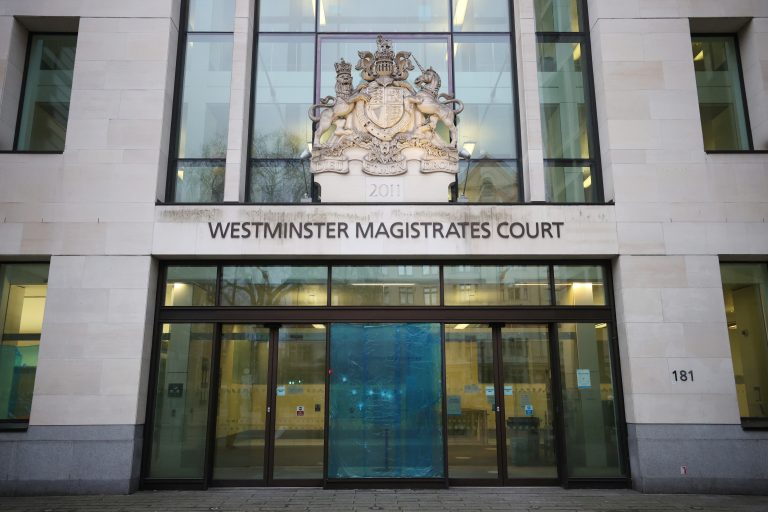


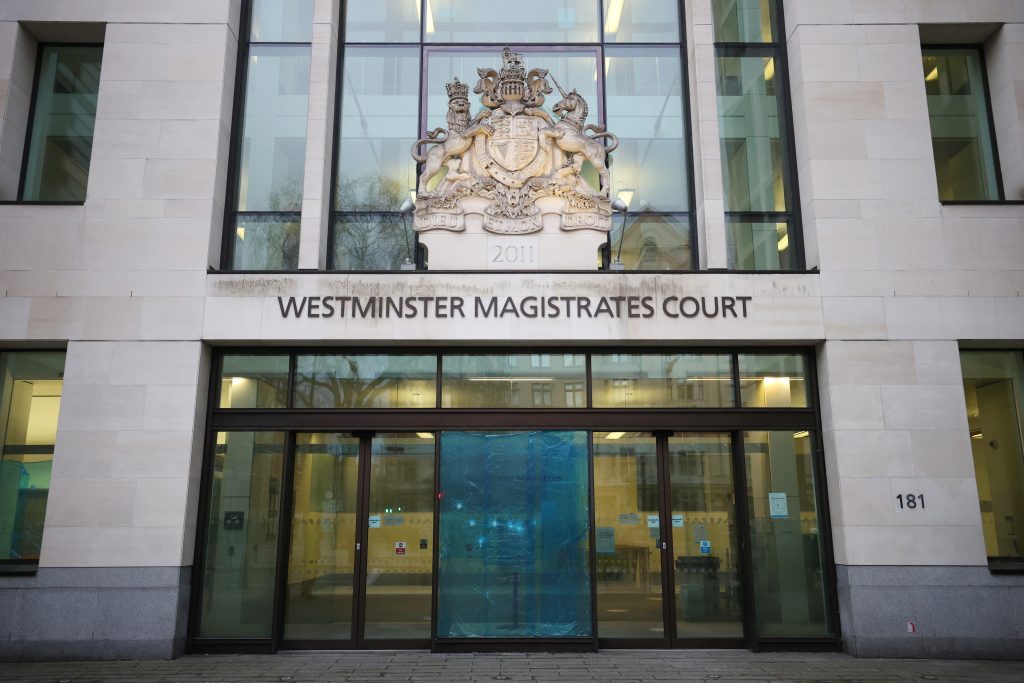
A 43-year-old British man has appeared in a London magistrates’ court charged with playing a senior leadership role in the Somalia-based Islamist militant group Al-Shabaab more than 15 years ago.
Jermaine Grant, born in London on 20 October 1982 and of no fixed address, faces six terrorism offences alleged to have been committed between 31 December 2007 and 1 January 2010. The charges include one count of directing the activities of a terrorist organisation (contrary to Section 56 of the Terrorism Act 2000), three counts of attending a place used for terrorist training (a commando camp in Kismayu, southern Somalia, under Section 8 of the Terrorism Act 2006), and two counts of possessing an article — an AK-47 assault rifle — for terrorist purposes (Section 57 of the Terrorism Act 2000).
Prosecutor Carl Kelvin told Westminster Magistrates’ Court on Thursday that Grant is accused of acting as a platoon leader, receiving commando-style training with Al-Shabaab, participating in battles and other fighting in Somalia, and possessing the rifle during “the battle of Karan” (and, according to some reports, another clash linked to Mogadishu Stadium).
Grant, who appeared in the dock wearing a yellow and green jumpsuit and flanked by two police officers, confirmed his identity but entered no plea. District Judge Nina Tempia remanded him in custody for seven days. The case was adjourned to allow consent from the Attorney General for the prosecution to proceed. He is next due to appear at the same court via video link on 16 April 2026.
The charges were authorised by the Crown Prosecution Service following a long-running investigation by Counter Terrorism Policing London. Frank Ferguson, head of the CPS’s Special Crime and Counter Terrorism Division, said prosecutors had concluded there was sufficient evidence and that it was in the public interest to bring the case.
Acting Commander Kris Wright of Counter Terrorism Policing London said: “These are serious charges and come as the result of a long-running investigation. This case shows we will always pursue anyone suspected of being involved in terrorist activity, no matter where in the world or how long ago it is alleged to have taken place.”
Additional context and analysis
Al-Shabaab, proscribed as a terrorist organisation in the UK since March 2010, is one of the most enduring Islamist insurgent groups in Africa. It emerged in the mid-2000s amid Somalia’s civil war and has maintained ties to al-Qaeda while carrying out high-profile attacks across East Africa, including the 2013 Westgate Mall siege in Nairobi (67 killed), the 2015 Garissa University attack (148 killed), and numerous bombings and assassinations in Somalia itself. The group continues to control rural areas of southern and central Somalia and poses an ongoing threat to regional stability, despite pressure from Somali forces and African Union troops.
The decision to prosecute offences allegedly committed in the late 2000s — when Al-Shabaab was consolidating power — reflects a broader UK counter-terrorism strategy of pursuing historical foreign-fighter cases. British authorities have previously brought similar prosecutions against individuals who travelled to conflict zones in Syria, Iraq and elsewhere, often years after the events, using evidence gathered through international intelligence-sharing, witness testimony and open-source material.
Some reports indicate Grant was deported from Kenya in 2024, which may have provided fresh impetus for the UK investigation. A small number of outlets have also referenced alleged attempts by him to re-enter the UK in disguise, though these details were not aired in the initial court hearing.
Legal experts note that cases of this type are complex because they rely on events that occurred abroad more than a decade ago. Proving “direction” of a terrorist group and specific acts such as possession of a weapon in battle typically requires robust corroborative evidence. Grant is presumed innocent until proven guilty.
The case underscores the UK’s commitment to holding its nationals accountable for overseas terrorism, regardless of the passage of time. It also highlights the enduring global reach of groups like Al-Shabaab and the challenges of monitoring former foreign fighters who return — or attempt to return — to Britain.
This remains an active criminal proceeding. Further details are expected to emerge at the next hearing.