Reports confirming the death of Iran’s Supreme Leader, Ayatollah Ali Khamenei, have sparked sharply contrasting reactions inside Iran and among Iranian communities abroad, following what U.S. and Israeli officials described as a major joint military operation late last week.
Iranian state media announced early Sunday that Khamenei died after targeted airstrikes struck a heavily secured compound in Tehran on February 28. According to official reports, several senior figures were also killed, including a close adviser and the commander of the Islamic Revolutionary Guard Corps, representing the most significant blow to Iran’s leadership since the 1979 Islamic Revolution.
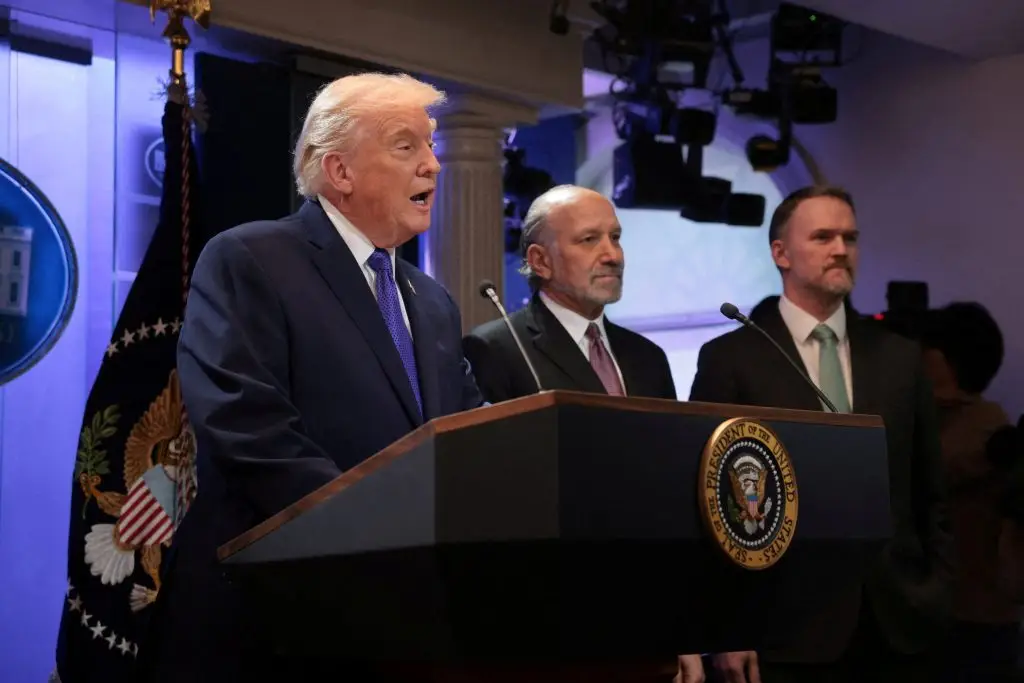
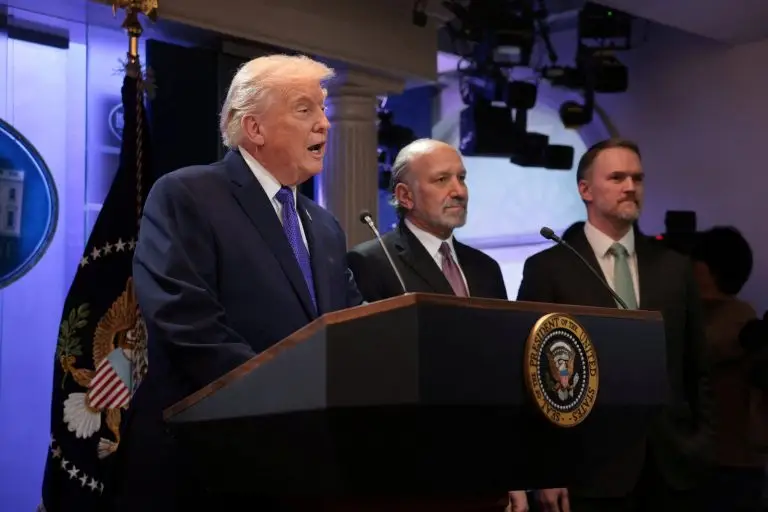
U.S. President Donald Trump characterized the operation as a decisive action against Iran’s ruling establishment, urging Iranians to “take back their country.” Israeli Prime Minister Benjamin Netanyahu similarly framed the strikes as a turning point, calling for the collapse of the Islamic Republic.
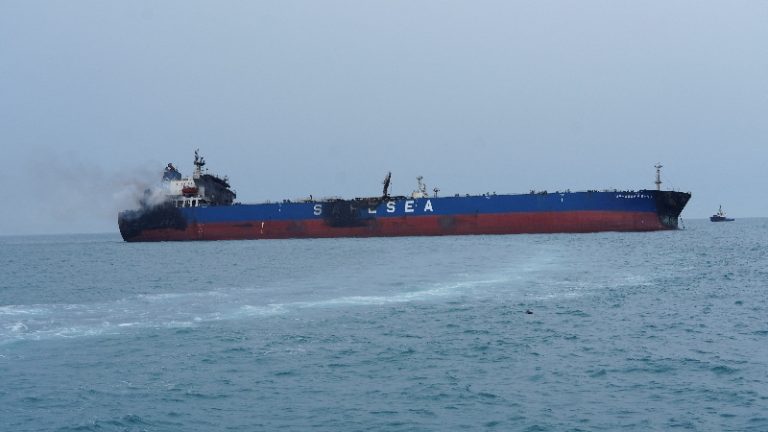
Iranian authorities declared 40 days of national mourning and announced the formation of an interim council to manage state affairs while a successor to Khamenei is selected. In response, Iranian forces launched missile and drone attacks toward targets in Israel and the United Arab Emirates, according to regional security officials. Tehran has also warned that it could disrupt shipping through the Strait of Hormuz, heightening concerns over global energy supplies.
Inside Iran, public reactions appeared deeply divided. State television aired footage of large crowds gathered in central Tehran, many dressed in black, mourning Khamenei and condemning the strikes as an attack on national sovereignty. President Masoud Pezeshkian described the killing as an “open declaration of war” and vowed retaliation.
At the same time, residents and independent journalists reported isolated instances of cheering and subdued celebrations in parts of Tehran as the news emerged, reflecting longstanding public dissatisfaction driven by economic hardship, political repression, and international isolation. Open celebration remains rare in Iran due to security restrictions and the risk of arrest.
Internationally, Iranian exile communities organized demonstrations across several European cities. In Paris, thousands rallied in public squares calling for political change. In Berlin, protesters gathered at Pariser Platz, waving historic Iranian flags and expressing solidarity with citizens inside Iran. Organizers said turnout was expected to reach several thousand.
In Athens, demonstrators assembled outside the Iranian Embassy, singing the national anthem and displaying banners calling for democracy and secular governance. Similar gatherings were reported in Lisbon, Brussels, and London, where thousands marched toward the Iranian Embassy. Additional spontaneous celebrations were reported in neighborhoods with large Iranian populations.
Reza Pahlavi, the exiled son of Iran’s last monarch, described the moment as a potential turning point. In statements posted online, he said the Islamic Republic was “effectively ended” and urged Iranians to prepare for sustained mass demonstrations while rejecting any unelected successor. Analysts note, however, that Iran’s opposition remains fragmented, with no clear consensus on leadership or a post-regime transition.
Not all international reactions supported the strikes. In Greece, more than a thousand protesters affiliated with left-wing organizations marched toward U.S. and Israeli diplomatic missions, condemning the military action and calling for an end to foreign intervention in Iran.
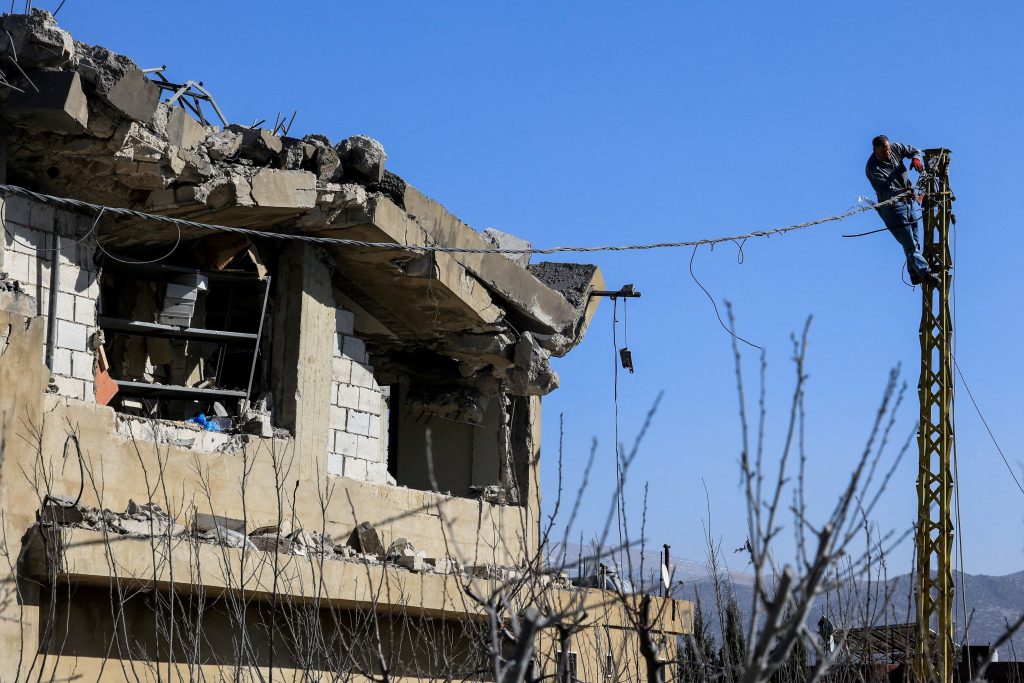
The reported killing of Khamenei has pushed the region into a period of heightened uncertainty. Military exchanges have continued across multiple fronts, casualties have been reported, and global oil markets remain volatile amid fears of wider escalation. As Iran confronts an unprecedented leadership vacuum, the coming days are likely to prove decisive for both the country’s future and regional stability.
Sources: Reuters and BRICS News