CALABAR, NIGERIA — The Cross River State Government has confirmed a case of COVID-19 and swiftly activated its public health emergency response mechanisms to contain any potential spread, health authorities announced.
The State Commissioner for Health, Dr. Henry Egbe Ayuk, disclosed this on Tuesday in Calabar, assuring residents that the situation is under control and does not warrant panic.
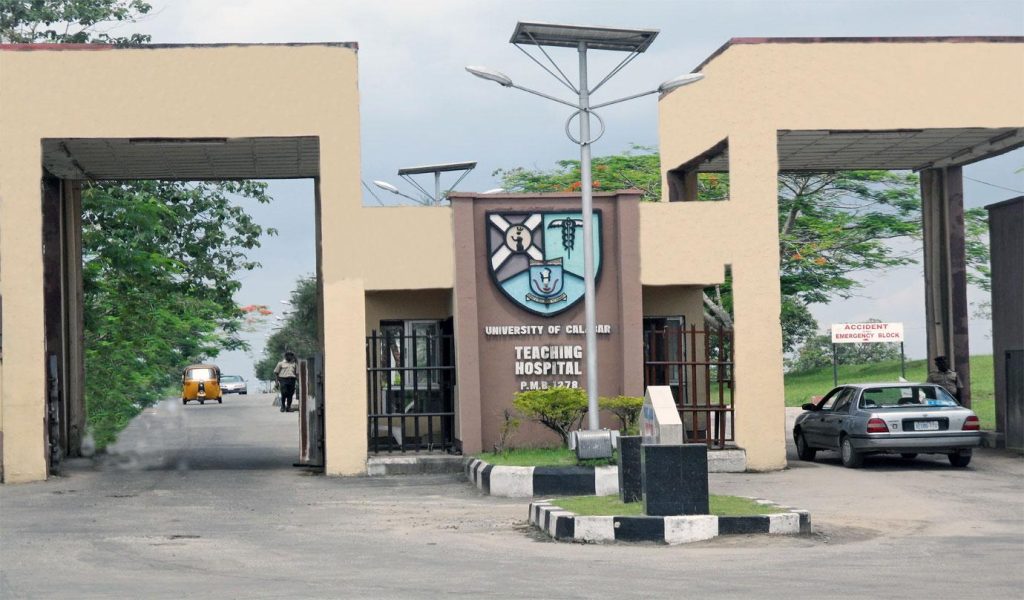
According to Ayuk, the confirmed case involves a 53-year-old Chinese expatriate who arrived in Nigeria about a month ago and works for a company in Akamkpa Local Government Area. The patient, who initially presented mild symptoms, was later admitted to the University of Calabar Teaching Hospital, where samples were collected and the infection confirmed.
“The patient is currently receiving care at the state’s designated isolation and treatment centre and is responding well to treatment,” the commissioner said.
He emphasised that the government deliberately delayed public announcement until all diagnostic protocols were completed to avoid misinformation, adding that the state remains vigilant in disease surveillance and response.
Ayuk noted that global interconnectedness continues to expose populations to infectious diseases, stressing that COVID-19, like other outbreaks, is not peculiar to Nigeria.
“We are living in a world of mobile populations, and public health threats can easily cross borders. What matters is the capacity to detect and contain them promptly, and that is what we are doing.
“The state is safe. There is no cause for alarm, but we must all play our part in preventing the spread,” Ayuk reiterated.
The State Epidemiologist, Dr. Inyang Ekpenyong, confirmed that this is the first officially recorded COVID-19 case in Cross River since 2022, attributing the low visibility of recent cases to widespread vaccination and the prevalence of mild or unreported infections.
She explained that COVID-19 symptoms — such as fever, cough, sore throat, and respiratory distress in severe cases — often resemble malaria, which may contribute to underreporting.
“With even a single confirmed case, it qualifies as an outbreak, and that is why we immediately activated the Emergency Operations Centre (EOC),” Ekpenyong said.
She disclosed that rapid response teams have been deployed to Akamkpa LGA, while contact tracing and line-listing of exposed individuals are ongoing. Identified contacts are being monitored daily within the virus’s incubation period of two to 14 days.
Permanent Secretary of the Ministry of Health, Dr. Jonah Offor, commended the coordinated efforts between the state government, the World Health Organization (WHO), and other partners in managing the situation.
WHO State Coordinator, Dr. Olatunde Rebecca, highlighted the importance of sustained surveillance, risk communication, and provision of testing materials. She also warned against misinformation, describing it as a key factor that can worsen outbreak outcomes.
“COVID-19 spreads through respiratory droplets and contaminated surfaces. Preventive measures such as hand hygiene, use of face masks, and physical distancing remain critical,” she said.
Rebecca added that efforts are underway, in collaboration with national health authorities, to determine the specific strain involved in the current case.
Also speaking, the Special Adviser to the Governor on Health, Dr. Ekpo Ekpo Bassey, said the state has improved significantly in outbreak response compared to previous years, noting that early detection and rapid intervention now prevent widespread transmission.
Health authorities urged residents to remain calm, adhere to preventive guidelines, and promptly report symptoms to health facilities.