


The dust has barely settled on the February 21, 2026, Federal Capital Territory (FCT) Area Council elections, yet the exercise has already exposed deepening cracks in Nigeria’s democratic architecture.
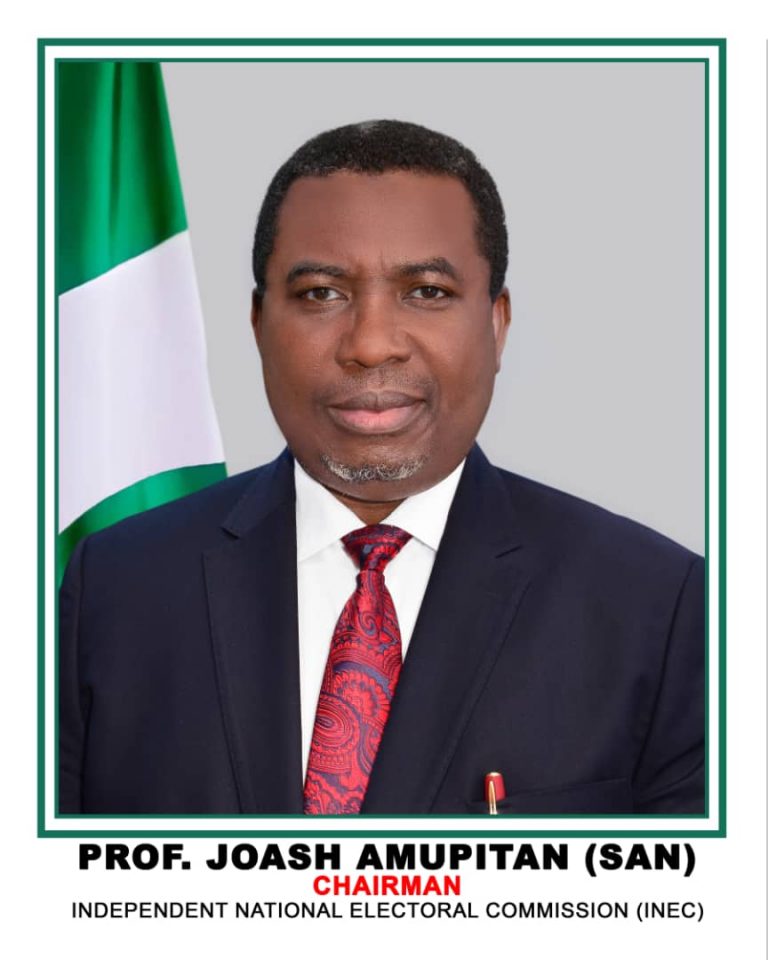
The Independent National Electoral Commission (INEC) has fulfilled its administrative duties—declaring winners, issuing certificates of return, and formally closing the chapter on yet another poll. But beneath these procedural formalities lies a troubling reality: widespread allegations of irregularities, voter suppression, vote-buying, and logistical failures have left the integrity of the process in tatters.
The ruling All Progressives Congress (APC) emerged dominant, securing chairmanship seats in five of the six area councils—Abuja Municipal (AMAC), Abaji, Bwari, Kwali, and Kuje—while the Peoples Democratic Party (PDP) retained Gwagwalada.
Turnout remained disappointingly low across many polling units. Observers, including Yiaga Africa, documented poor voter participation, late openings, early closures in some locations, and confusion over polling arrangements.
The time to reclaim the integrity of the ballot is now—before 2027 renders the lesson irreversible.
More disturbingly, credible reports highlighted persistent vote-buying, with inducements reportedly ranging from ₦5,000 to ₦20,000 in several documented cases. Allegations of intimidation, alteration of result sheets, and logistical sabotage were widespread. Tragic incidents were also reported, including the death of a polling agent at a Gwagwa polling unit amid resistance to alleged result manipulation—an event that underscores the human cost of electoral malpractice.
Opposition candidates, notably Dr. Moses Paul of the African Democratic Congress (ADC) in AMAC, have outright rejected the results, citing voter suppression, security intimidation, curfew-like movement restrictions, late arrival of electoral materials, and manipulation of results.

Dr. Moses Paul of the African Democratic Congress (ADC) in AMAC, 22026
The Obidient Movement echoed these concerns, describing the AMAC outcome as a “brazen assault” on democracy and mourning the loss of life linked to electoral violence. Other political parties, including factions within the PDP, also decried the irregularities and hinted at possible legal challenges. Civil society organisations such as CLEEN Foundation and ActionAid similarly flagged incidents of vote-buying, altered result sheets, and voter disenfranchisement.
Yet, the collective response from opposition parties and civil society has largely been confined to press statements, social media outrage, and televised condemnations. There has been no sustained mass mobilisation, no coordinated civic resistance, and no widespread street protests. This muted reaction speaks volumes about the creeping apathy that has taken root among Nigerians—an apathy born not of indifference, but of exhaustion and diminishing faith in institutional redress.
The judiciary’s role offers little reassurance. Judicial outcomes following the 2023 general elections frequently upheld contested results despite documented procedural flaws, effectively normalising irregularities and further eroding public trust in the courts as arbiters of electoral justice.
Public scepticism toward powerful political figures—such as FCT Minister Nyesom Wike, whose presence at polling units drew accusations of intimidation from opposition quarters, President Bola Tinubu, and Senate President Godswill Akpabio—remains high. Yet this distrust has not translated into collective action; instead, it has fostered a dangerous resignation.
The FCT elections are not an isolated episode. Conducted under the newly amended Electoral Act—which permits manual collation in cases of technical failure, a provision critics argue is ripe for abuse—the polls serve as both a microcosm of Nigeria’s electoral challenges and a potential preview of 2027. Low turnout, monetised politics, and institutional inertia suggest that electoral manipulation, if left unchallenged, could scale nationally.
Nigeria now stands at a crossroads. Without a renewed surge in civic engagement—through sustained voter education, stronger civil society coordination, transparent judicial processes, and citizens demanding accountability—the current trajectory risks becoming entrenched. The alternative is a hollowed-out democracy in which mandates are manufactured rather than earned, and public faith in governance collapses entirely.
The FCT, Kano, and Rivers elections should serve as a wake-up call, not a postmortem. Nigerians must reject passive lamentation in favour of organised, sustained resistance to democratic regression. The time to reclaim the integrity of the ballot is now—before 2027 renders the lesson irreversible.