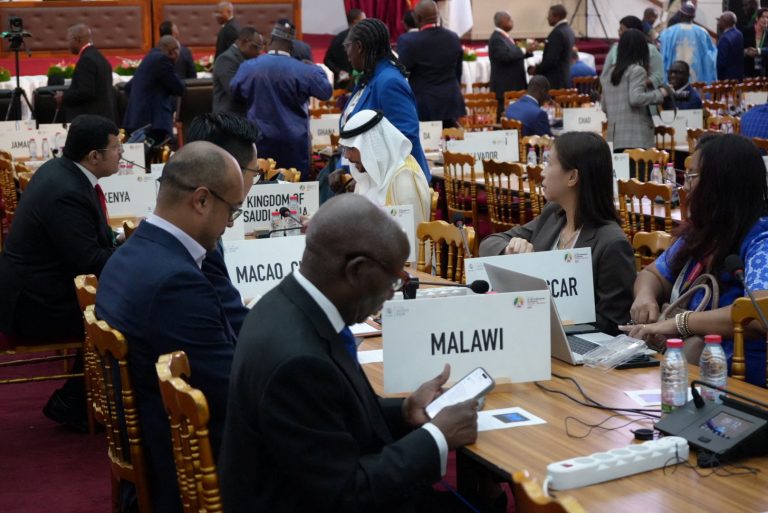


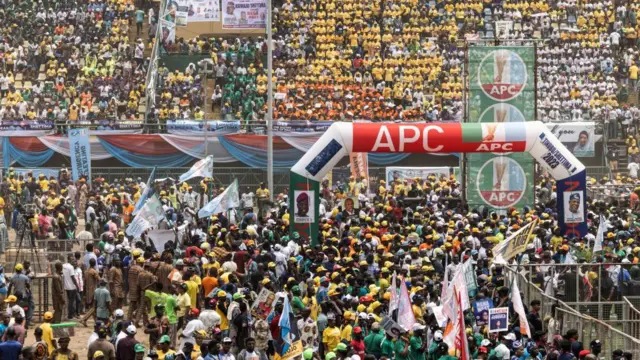
Abuja, Nigeria – The ruling All Progressives Congress (APC) has commenced its 8th National Convention at Eagle Square in Abuja, where thousands of delegates are participating in the process to elect a new National Working Committee (NWC).
The two-day event, which began on Friday, March 27, brings together over 8,453 delegates from all 36 states and the Federal Capital Territory. President Bola Ahmed Tinubu, state governors, ministers, and senior party stakeholders are in attendance as the party seeks to consolidate its structure ahead of the 2027 general elections.
This convention marks a significant milestone for the APC, coming more than a decade after its formation in 2013 and its inaugural national convention in 2014. The gathering is expected to produce a fresh 25-member National Working Committee responsible for the party’s day-to-day administration and strategic direction.
Key Positions and Consensus Arrangement
Key positions up for filling include the National Chairman, National Secretary, National Publicity Secretary, and other critical NWC roles. Party officials have confirmed that the leadership selection will largely follow a consensus arrangement, with major stakeholders engaging in behind-the-scenes consultations to agree on candidates and minimise internal conflict. Where consensus cannot be reached, voting by delegates remains an option.
The APC is maintaining its established zoning formula to ensure equitable distribution of positions across Nigeria’s six geopolitical zones, promoting balance and inclusiveness within the party.
Pre-convention screening cleared several aspirants, including Prof. Nentawe Yilwatda (National Chairman) and Senator Ajibola Basiru (National Secretary), with indications that many incumbents or consensus candidates are likely to be affirmed. The party has emphasised unity, describing the convention under the theme of strengthening the “Renewed Hope Agenda.”
President Tinubu arrived at the venue in the evening, adding significant weight to the proceedings, which are expected to run late into the night and possibly spill into Saturday, March 28.
As of the time of this report, the convention is ongoing, with final announcements of elected officials still pending. Proceedings are reported to be orderly, supported by tight security around Eagle Square.
Election or Selection?
The heavy reliance on consensus has once again raised the familiar debate in Nigerian politics: whether such conventions represent genuine internal democracy or a structured “selection” process driven by powerful stakeholders, including the presidency and state governors.
While this approach helps avoid public disputes and projects party unity, critics argue it limits grassroots participation and competition. The debate reflects a recurring tension in Nigeria’s political landscape, where the line between internal party democracy and elite consensus often blurs.
Proponents of the consensus model argue that it reduces the financial burden on aspirants, prevents rancour, and allows the party to present a united front ahead of general elections. Opponents counter that it stifles competition, entrenches godfatherism, and denies ordinary party members a meaningful voice in leadership selection.
What It Means for 2027
The outcome of this convention will play a pivotal role in shaping the APC’s machinery and its preparedness for the 2027 polls. Observers will be watching closely to see how effectively the new leadership can unify the party and address lingering internal challenges.
For President Tinubu, who is widely expected to seek re-election in 2027, a smooth convention that projects unity is essential. Any signs of discord or unresolved grievances could signal vulnerabilities that opposition parties may seek to exploit.
The APC’s ability to balance the interests of its diverse factions — from the progressive governors to the legacy parties that merged to form the party — will be tested in the months ahead.
What Comes Next
As proceedings continue into Saturday, the party is expected to announce the final list of elected NWC members. Whether the consensus arrangement holds or voting becomes necessary in contested positions will be a key indicator of the party’s internal cohesion.
For delegates, the convention is an opportunity to shape the party’s leadership. For stakeholders, it is a chance to consolidate influence ahead of the 2027 election cycle. For ordinary Nigerians watching from the sidelines, the distinction between “election” and “selection” remains a question of enduring relevance in the country’s democratic journey.