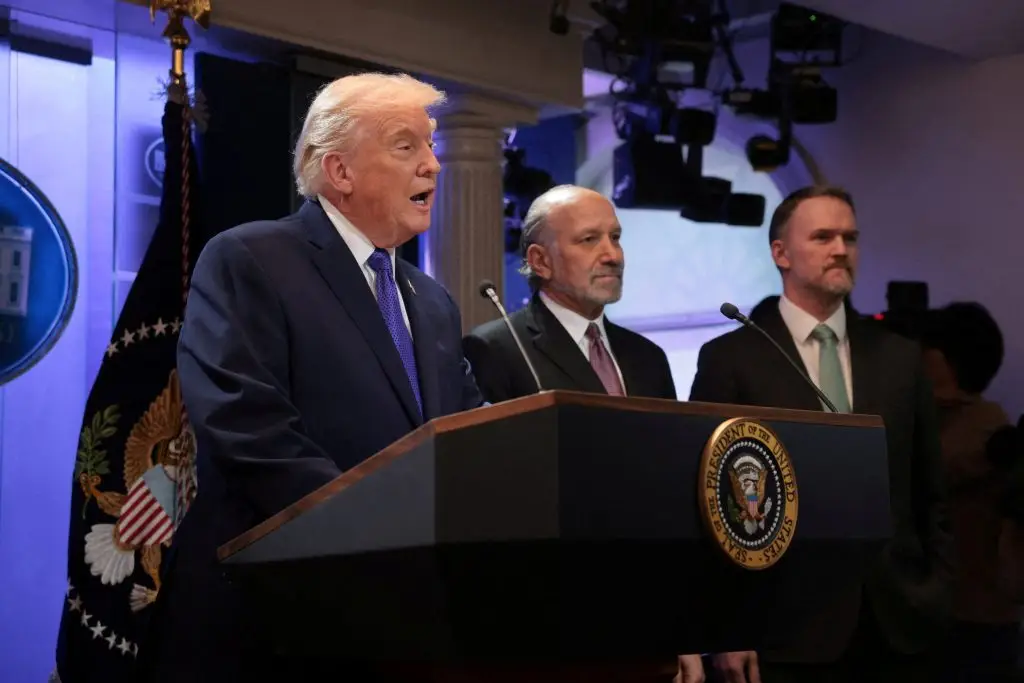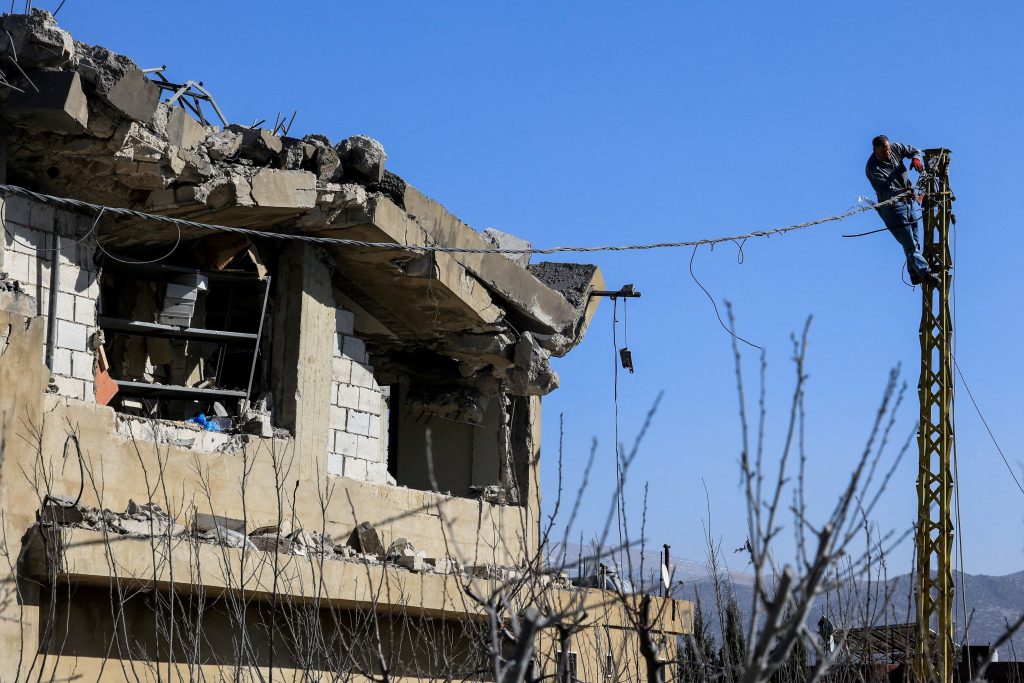



JOS, NIGERIA – President Bola Ahmed Tinubu has pledged to deploy 5,000 AI-powered CCTV cameras across Plateau State and ordered a full manhunt for the gunmen who killed at least 28 people in the Palm Sunday attack on Angwan Rukuba, Jos North.
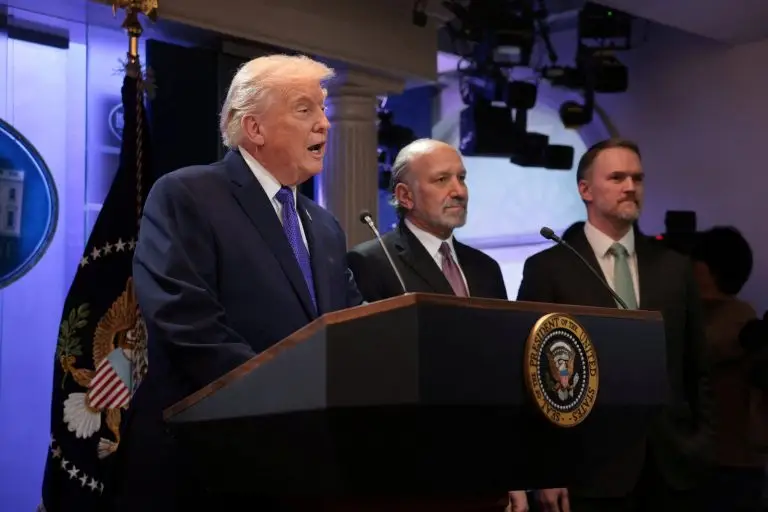
During his emergency visit to Jos on Thursday, the President met with stakeholders, consoled grieving families, and declared that the violence “will not repeat itself.” He described the assault as barbaric and directed security agencies to bring the perpetrators to justice while coordinating humanitarian support through the Ministry of Humanitarian Affairs.
However, many residents and observers in the Middle Belt remain skeptical. This is not the first time the President has responded to mass killings in the region with strong assurances and new initiatives.
In June 2025, following the Yelwata massacre in Benue State that claimed over 100 lives, President Tinubu visited the state, issued marching orders to security chiefs, demanded arrests, and promised lasting peace. Some suspects were arrested shortly after, but reports from late 2025 into 2026 indicate that killings continued in several local government areas including Agatu, Apa, Guma, and Logo. Farmers were reportedly attacked while harvesting, and communities continued to face displacement and fear.
The central question now facing Plateau is whether this latest response will deliver different results.
Ambitious Tech Plan Faces Practical Questions
The proposal to install 5,000 AI-powered surveillance cameras at flashpoints is being presented as a major step forward in intelligence gathering. Officials say installation will begin in Jos and expand statewide.
Yet no clear timeline, funding details, or implementation roadmap has been publicly released. Critics point out that many of Plateau’s deadliest incidents occur in remote farming communities, grazing routes, and rural areas where urban-style CCTV coverage may have limited immediate impact. Previous large-scale security technology projects in Nigeria have often encountered delays, maintenance issues, and questions about effectiveness beyond major cities.
Urgent Needs of Victims Overlooked?
For the families of the at least 28 people killed and more than 20 injured in the Angwan Rukuba attack, the immediate concern is relief and support. Official statements mention “data-driven support” and coordination by the Ministry of Humanitarian Affairs, but specifics on compensation amounts or delivery timelines remain absent.
Local sources, including church leaders who spoke on condition of anonymity, expressed frustration over what they described as a recurring pattern of high-profile visits followed by slow or incomplete follow-through on aid promises.
Broader Challenges Remain
While some residents welcomed the President’s visit as a sign of federal attention, activists and civil society groups are calling for more comprehensive action. They argue that root causes — such as disputes over land and grazing routes, widespread proliferation of arms, and slow progress on state policing — need sustained attention beyond surveillance and manhunts.
Opposition figures have described responses to such attacks as largely reactive, noting that similar operations in the past have not always produced long-term deterrence.
The Real Test Ahead
President Tinubu has directed security chiefs to act decisively and has promised a combination of technology, enforcement, and community engagement. Whether these measures will finally help break the cycle of violence in Plateau and the wider Middle Belt will depend on implementation and measurable outcomes on the ground — not on announcements alone.
This newsroom will continue to track developments closely, reporting not only what is promised but what actually changes for the people living with the daily threat of violence.