The escalating conflict involving Iran, the United States, and Israel did not emerge suddenly from recent military exchanges. Instead, it represents the culmination of nearly five decades of ideological rivalry, geopolitical competition, proxy warfare, and disputes over nuclear development.
Understanding the historical forces behind this confrontation is essential to explaining why tensions have repeatedly pushed the Middle East toward open conflict—and why the current escalation carries such profound global risks.
The 1979 Revolution and the Birth of Hostility
Modern hostility between Iran and the United States dates back to the 1979 Islamic Revolution, which overthrew Shah Mohammad Reza Pahlavi, a key U.S. ally, and replaced his government with an Islamic Republic led by Ayatollah Ruhollah Khomeini.
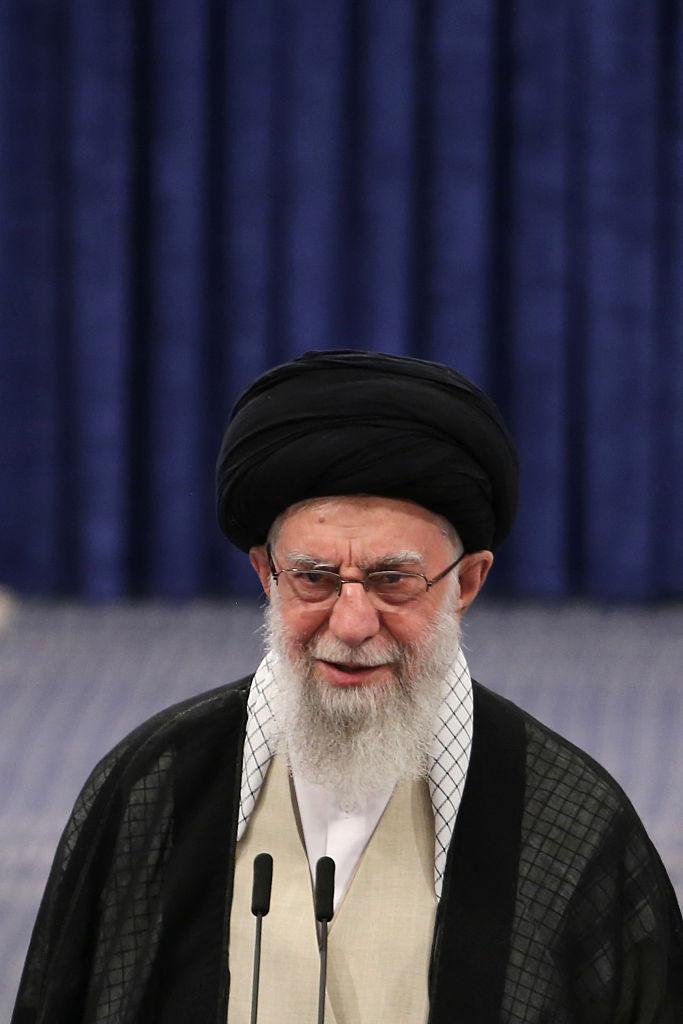
Ali Khamenei — Supreme Leader of Iran
The revolution transformed Iran’s foreign policy orientation. The new leadership adopted a sharply anti-Western and anti-Israeli stance that would define its regional posture for decades.
Later that year, Iranian students seized the U.S. Embassy in Tehran, holding 52 American diplomats hostage for 444 days. The crisis severed diplomatic relations between Washington and Tehran and triggered waves of U.S. sanctions that remain a central feature of the relationship today.
Iran’s Regional Proxy Network
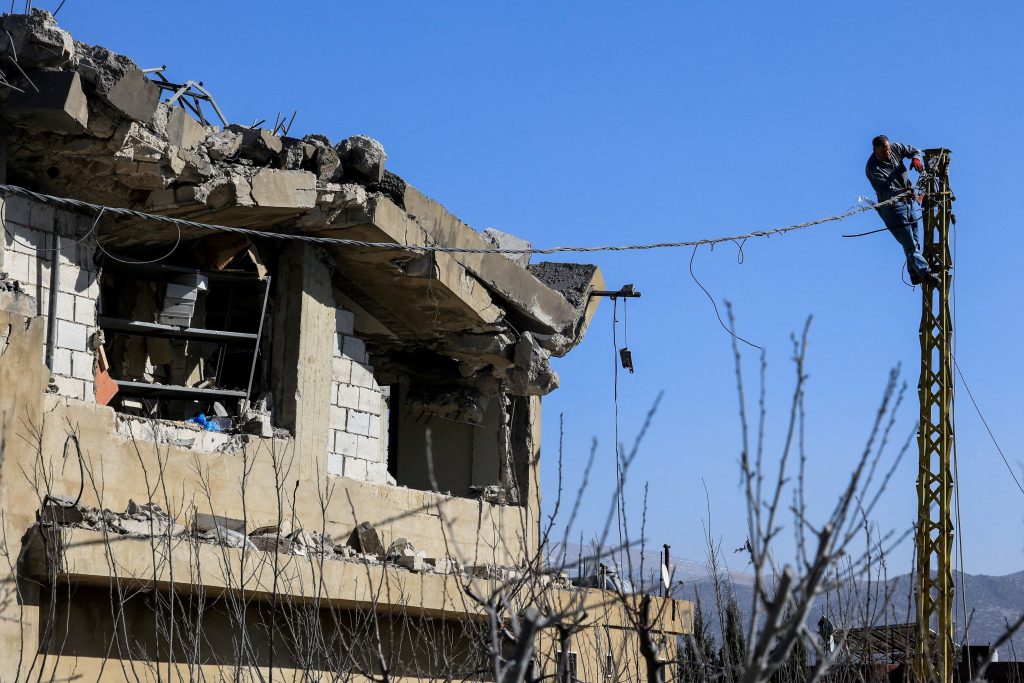
A major source of tension has been Iran’s support for armed groups across the Middle East that oppose Israel. Through the Islamic Revolutionary Guard Corps (IRGC) and its elite Quds Force, Tehran has provided financial, logistical, and military backing to groups such as Hezbollah in Lebanon and Hamas in the Gaza Strip.
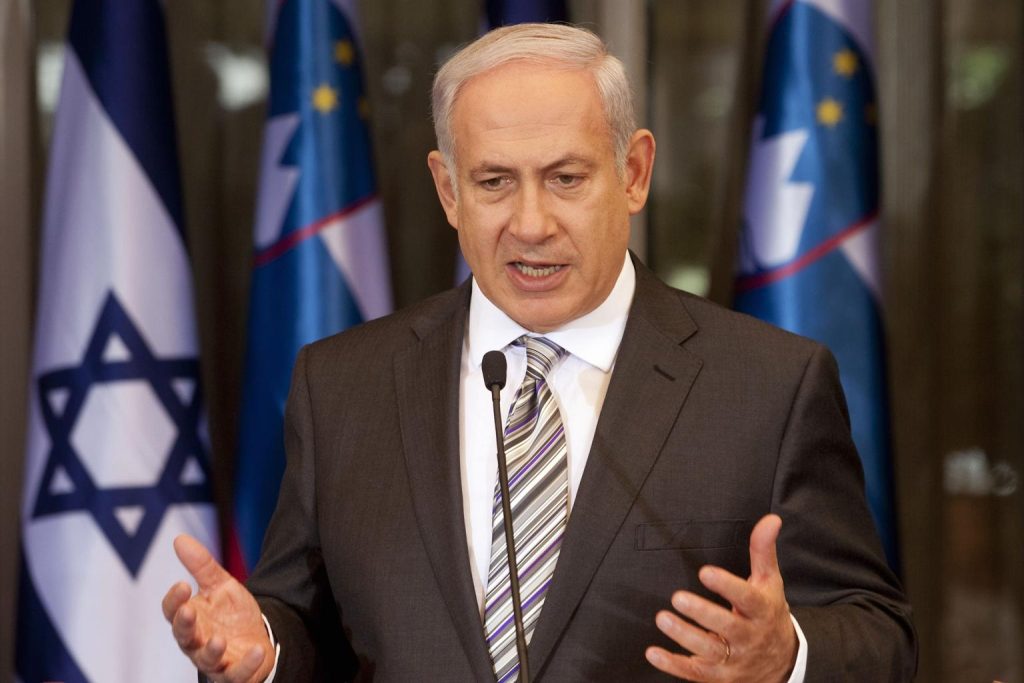
Benjamin Netanyahu — Prime Minister of Israel
The Nuclear Dispute
Perhaps the most consequential dispute involves Iran’s nuclear program. Iran insists its nuclear activities are designed for peaceful purposes, including energy generation. However, Israel and the United States have long argued that the program could enable Iran to develop nuclear weapons—something Iranian authorities deny.
The ‘Shadow War’
Throughout the 2010s and early 2020s, Israel and Iran engaged in what analysts describe as a ‘shadow war’—a series of covert operations that stopped short of open military confrontation.
Escalation Into Wider Conflict
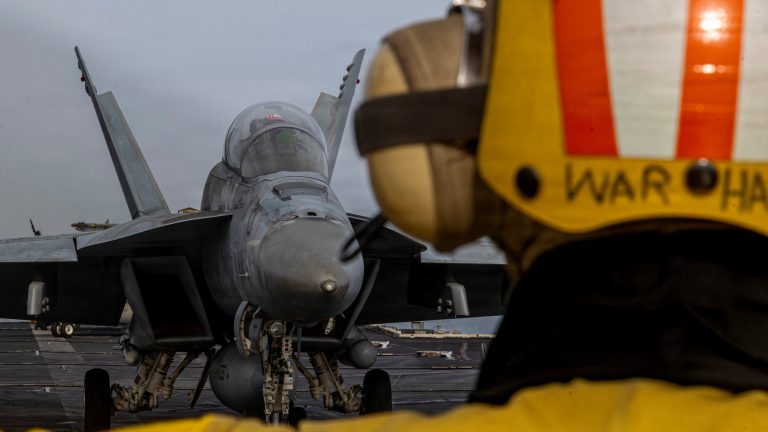
The confrontation intensified further in June 2025 with strikes on Iran’s nuclear facilities and missile infrastructure. By early 2026, coordinated strikes and retaliatory missile attacks raised fears of a broader regional war.
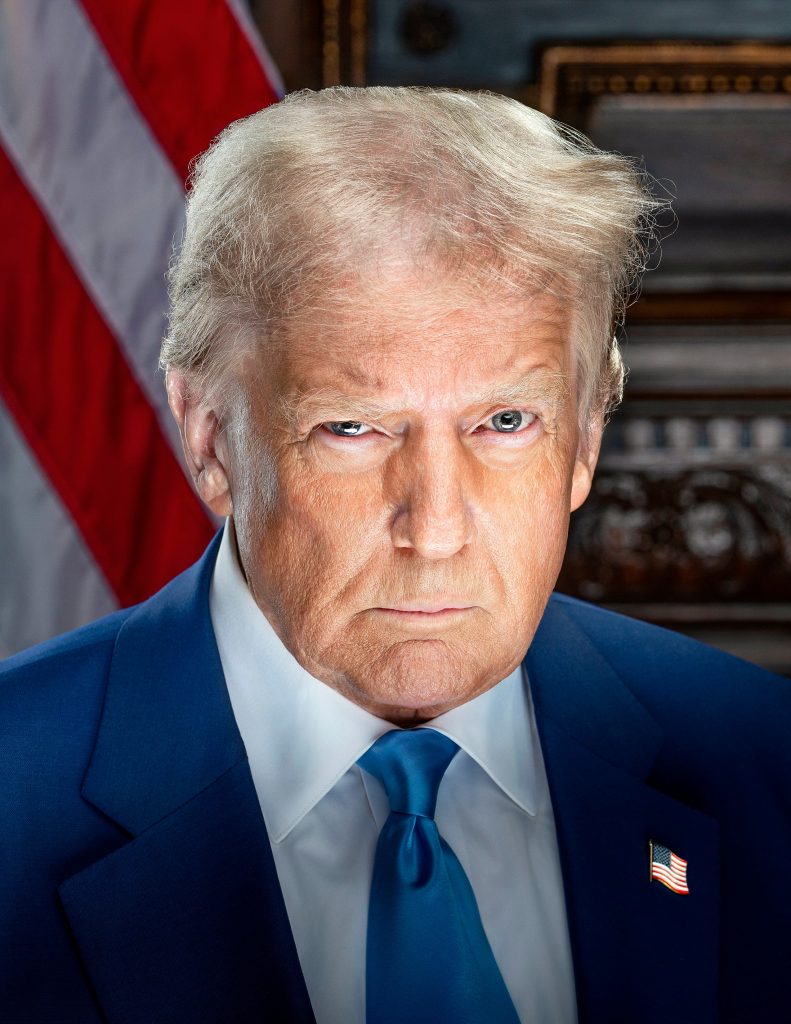
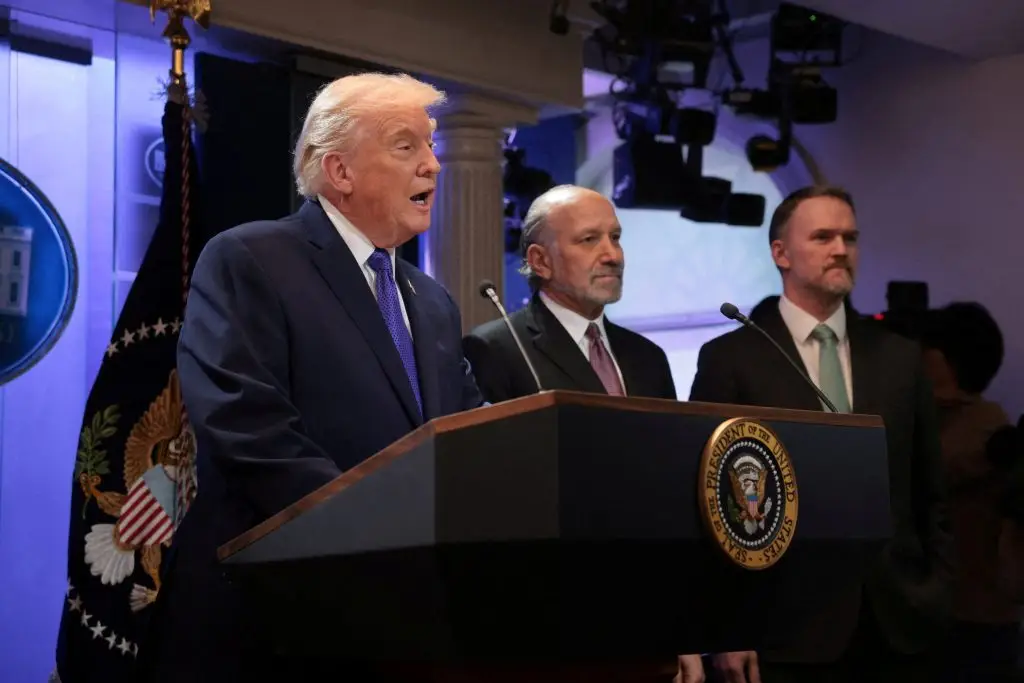
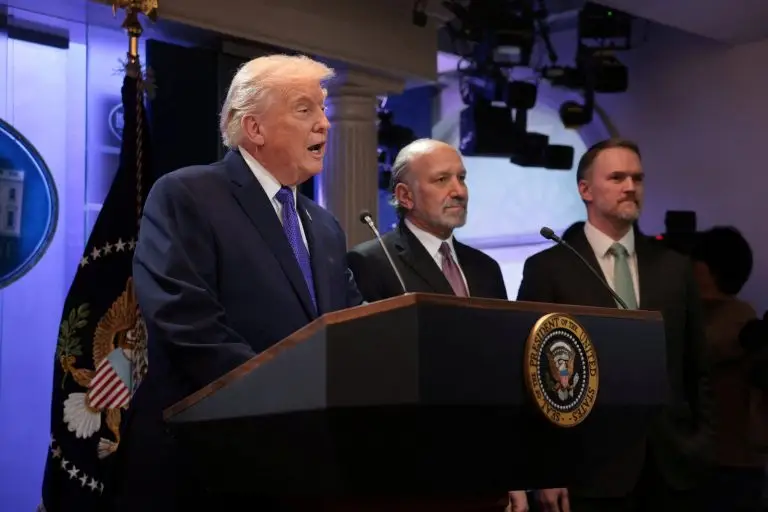
Donald Trump — President of the United States
Why the Conflict Is So Dangerous
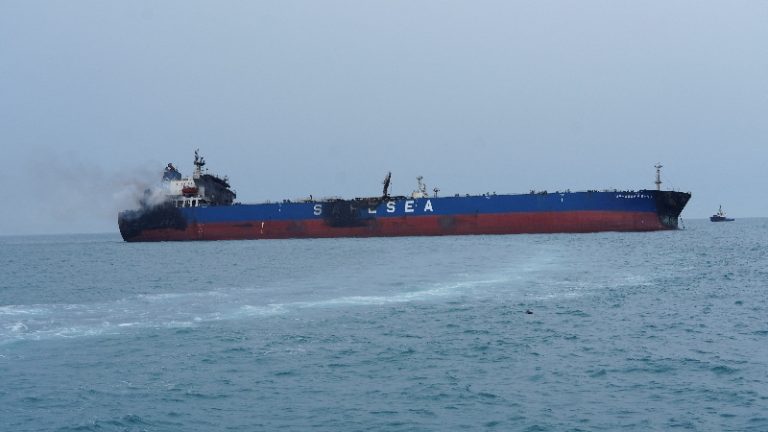
The conflict spans multiple countries including Lebanon, Syria, Iraq, and Yemen. Global energy markets are also at risk because the Strait of Hormuz—through which roughly one‑fifth of the world’s oil supply passes—lies within range of Iranian forces.
An Uncertain Future
The Iran–U.S.–Israel confrontation is deeply rooted in history, shaped by ideological divisions, nuclear tensions, and regional power struggles. As tensions escalate, the risk of wider regional and global consequences remains a major concern.