UK impact: The escalating conflict between Israel and Hezbollah carries significant implications for the United Kingdom. With over 1,000 Lebanese casualties reported and critical infrastructure being destroyed, the UK faces diplomatic pressure to respond. Britain has historically supported Israel’s right to self-defence but has also called for the protection of civilians. The destruction of bridges and the displacement of more than a million people could trigger a humanitarian crisis that may require UK aid and diplomatic intervention.
The UK maintains a close relationship with both Israel and Lebanon. Approximately 5,000 British citizens live in Lebanon, and the Foreign Office has previously advised against all travel to the south. Any escalation could trigger evacuation planning — a complex operation the UK has conducted in previous Middle East conflicts.
Additionally, the conflict threatens regional stability, which directly affects UK energy prices and security interests. The Litani River crossings being destroyed are critical for humanitarian aid delivery, a point likely to be raised by UK officials in international forums.
Defence analysts note that Israel’s tactics — including the demolition of homes and destruction of infrastructure — mirror its approach in Gaza, a strategy that has drawn condemnation from British human rights organizations and some parliamentarians. The UK government has not yet issued a formal response to the latest escalation.
By Ahmed Fahmy, Amr Abdallah Dalsh and Alexander Cornwell
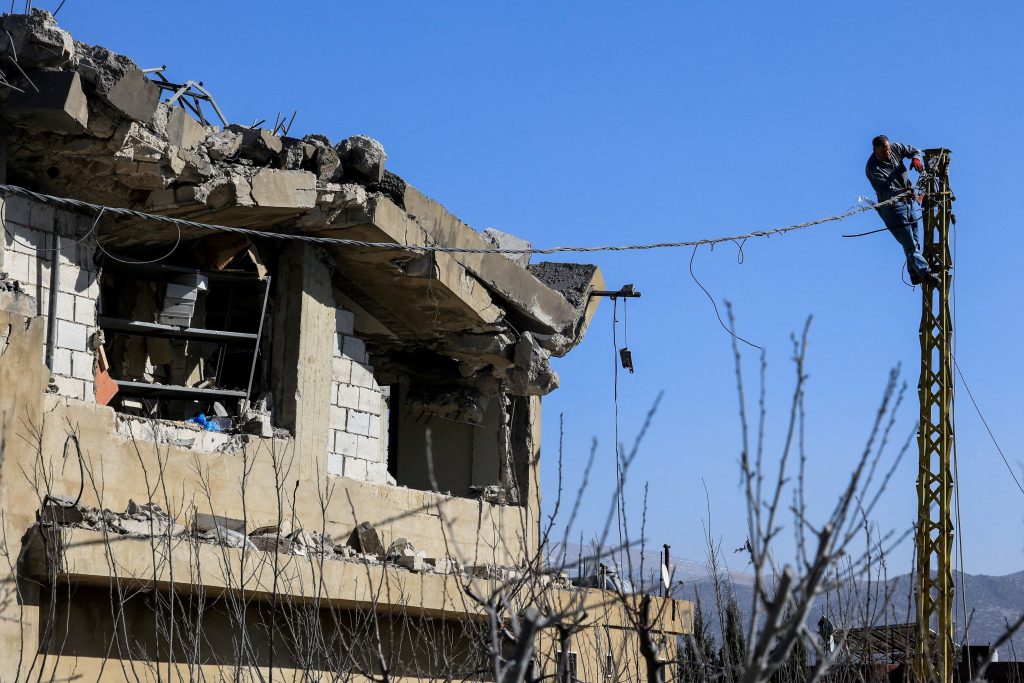
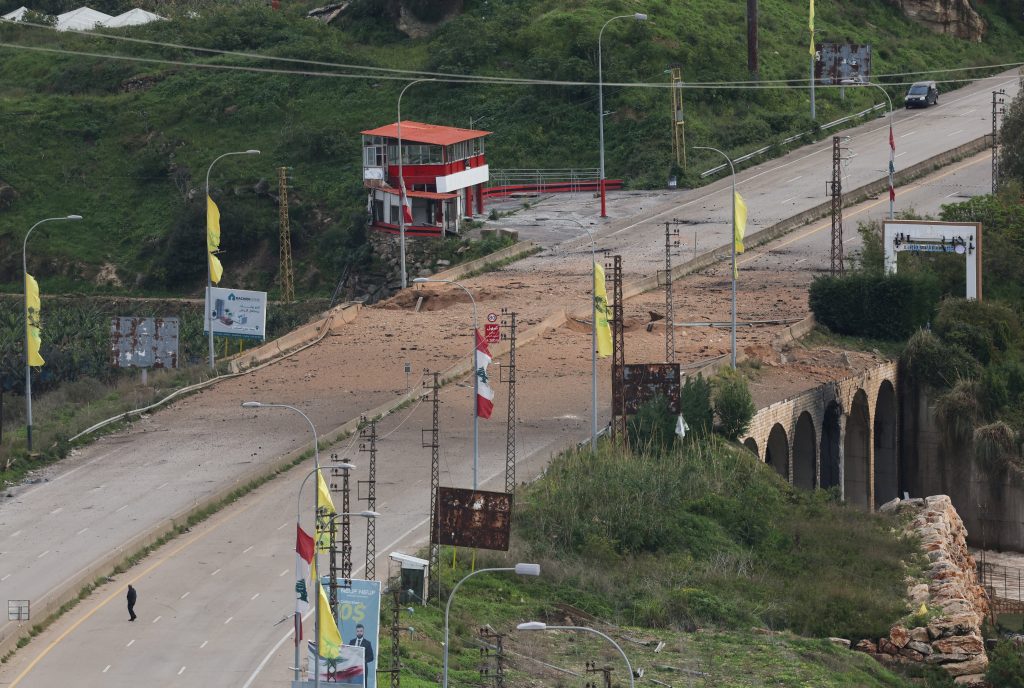
NEAR TYRE, LEBANON/TEL AVIV, March 22 (Reuters) – Israel struck a main bridge linking Lebanon’s south to the rest of the country on Sunday after ordering its military to destroy all crossings over the Litani River and to step up the demolition of homes near the southern border.
The destruction of bridges and homes marks a significant escalation in Israel’s military campaign in Lebanon, which was pulled into the regional war on March 2 when armed group Hezbollah fired into Israeli territory.
International law generally prohibits militaries from attacking civilian infrastructure, and the United Nations human rights chief has criticised Israel’s actions in Lebanon, particularly its use of widespread evacuation orders that have displaced more than a million people.
Sunday’s strike damaged a crossing on Lebanon’s coastal highway that runs through farmland and is one of the main routes linking southern and central Lebanon.
An Israeli military spokesperson had announced the army would strike the bridge earlier on Sunday.
Lama al-Fares, who lives on farmland adjacent to the crossing, said her family packed what they could into their car when they saw the warning. They drove north on the highway and waited on a hilltop overlooking it.
“Our house is right next to the bridge. It was destroyed in the last war and we had rebuilt a basic structure to live in – I hope it’s still standing,” she told Reuters.
Lebanese President Joseph Aoun said the strikes were a “prelude to a ground invasion” and amounted to a “policy of collective punishment against civilians.”
He said it would impede the delivery of humanitarian aid and could be part of “suspicious schemes” to pursue an expansion of Israel’s presence in Lebanese territory. Defence Minister Israel Katz has previously said Lebanon could face “damage to infrastructure and loss of territory” if its government did not disarm Hezbollah.
A second Israeli strike hit the bridge on Sunday evening, according to Lebanese state media.
ISRAELI CIVILIAN KILLED
Earlier, an Israeli was killed in his car near the border after what the military described as a “launch” from Lebanese territory. Ten hours after Israel’s ambulance service reported the man’s death, the military said it was investigating whether he had been killed by Israeli fire. Two Israeli soldiers have been killed in fighting in Lebanon.
Israel’s strikes on Lebanon have killed more than 1,000 people, including nearly 120 children, 80 women and 40 medical personnel, according to Lebanon’s health ministry. Lebanese authorities do not otherwise distinguish between civilians and militants.
Katz said the military had been ordered to destroy all bridges over the Litani used for “terrorist activity,” to prevent Hezbollah militants and weapons from moving south.
The Israeli military had already destroyed three bridges in southern Lebanon in the last 10 days.
Katz also said the military was ordered to accelerate the demolition of Lebanese homes in “frontline villages” to neutralise threats to Israeli communities.
He described the approach as similar to the model used in Beit Hanoun and Rafah in Gaza, where the military created buffer zones by clearing and demolishing buildings near the border.
‘HUMANITARIAN CATASTROPHE’
Ramzi Kaiss, Lebanon researcher at Human Rights Watch, said international law requires armed actors to take into account the civilian harm caused by strikes on infrastructure like bridges, even if the targets were being used for military purposes.
“If all these bridges are struck, and the region that is south of the Litani becomes isolated from the rest of the country, then the civilian harm is going to be so immense that you have a humanitarian catastrophe as people still living in the south won’t be able to access food, medicine and other basic needs,” Kaiss said.
Destroying homes in southern Lebanon wholesale would amount to wanton destruction, which is a war crime, he added.
The Israeli military says its troops are carrying out what it describes as ground maneuvers and targeted raids on Hezbollah militants and weapons stores in southern Lebanon. Israeli officials say the air and ground campaigns are aimed at protecting residents in northern Israel near the Lebanese border from Hezbollah attacks.
The Lebanese government has outlawed Hezbollah military activity and said it wanted to engage in direct talks with Israel.
(Reporting by Ahmed Fahmy and Amr Abdallah Dalsh near Tyre and Maya Gebeily in Beirut, Alexander Cornwell in Tel Aviv; Editing by Christina Fincher and Hugh Lawson)
Reuters wire copy published under license. UK impact analysis by The Credibility News.