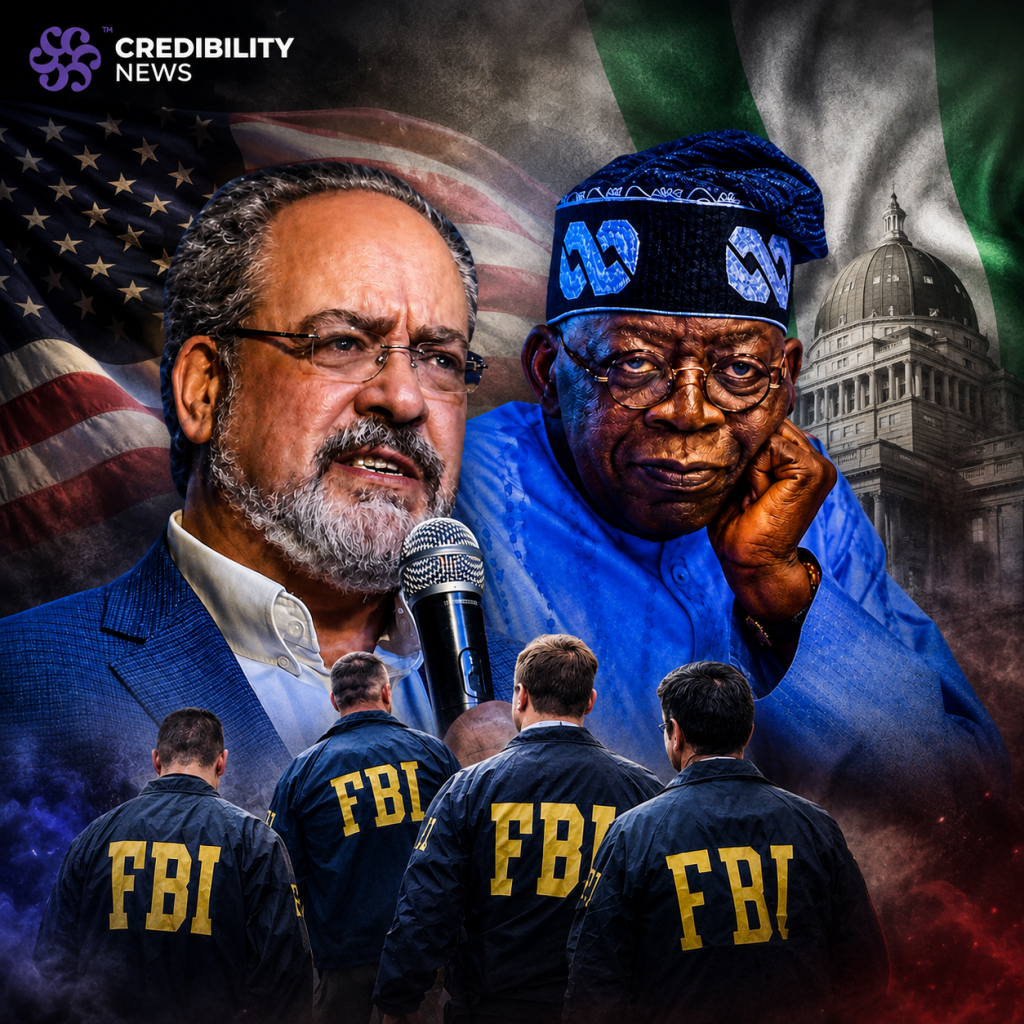
A US-based commentator, Mike Arnold, has advanced a theory linking President Bola Ahmed Tinubu’s opposition to the release of certain FBI records to possible cooperation he may have provided to US authorities during investigations into drug trafficking in the early 1990s.
In a post discussing the controversy surrounding the release of the files, Arnold argued that Nigerians should understand that the US legal system operates differently from Nigeria’s and that the withholding of sensitive investigative records does not necessarily indicate political interference or payment to US officials.
Arnold said the legal justification reportedly being considered by the court—that releasing some information could endanger the lives of informants or undercover operatives—is plausible, although he stressed that he was not claiming the explanation had been established as fact.
He questioned, however, whose life could allegedly be placed at risk more than three decades after the events in question.
“Seeing that we’re 33 years later, there’s zero chance it’s an undercover operative,” Arnold argued, suggesting that any potential threat would more likely involve a former informant.
Arnold then connected that possibility to Tinubu’s legal troubles in the United States in the early 1990s, when US authorities investigated allegations relating to heroin trafficking and Tinubu forfeited about $460,000 in a civil forfeiture proceeding.
From there, Arnold developed what he described as his “working theory”: that Tinubu may have provided information to US authorities about other individuals or networks involved in drug trafficking in exchange for favourable treatment.
“This is my working theory: BAT is a RAT,” Arnold wrote, using Tinubu’s initials and the term “rat” as a reference to an alleged informant.
Arnold further speculated that any information provided by Tinubu could have extended beyond individuals in the United States and potentially involved prominent Nigerians connected to international trafficking networks.
He also suggested that US actions against drug-trafficking networks in Southeast Asia after Tinubu left the United States could potentially have been connected to information supplied by him.
However, Arnold did not provide documentary evidence in the post establishing that Tinubu acted as an informant, supplied names to US authorities, or that any subsequent US operation was based on information provided by him.
The claims therefore remain speculation and an unverified theory, rather than established facts.
The broader controversy concerns calls for the release of historical US investigative records relating to Tinubu. Whether any documents remain withheld to protect confidential sources, informants or other individuals is ultimately a matter for the relevant US authorities and courts.
Tinubu has previously denied wrongdoing associated with the allegations surrounding his time in the United States. The forfeiture of funds in the 1990s, by itself, does not establish that he acted as an informant or provided information against other suspects.
Arnold’s comments add another layer to the ongoing debate, but the central question remains whether the unreleased records contain information that could substantiate—or contradict—the competing claims surrounding Tinubu’s history in the United States.