
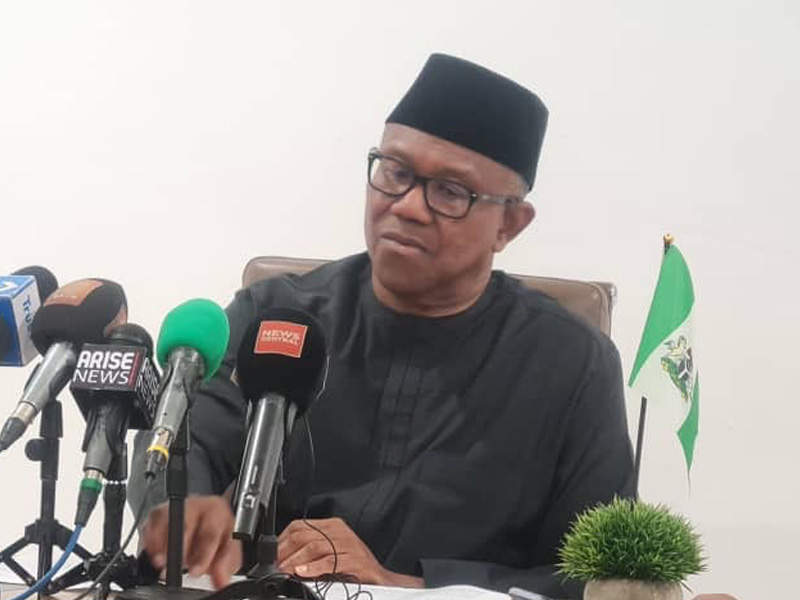
Former Governor of Anambra State and 2023 Labour Party presidential candidate, Peter Obi, has condemned the brutal treatment of young street children in Cross River State following the circulation of a viral video showing officials rounding up and beating boys labelled “Skolombo boys.”
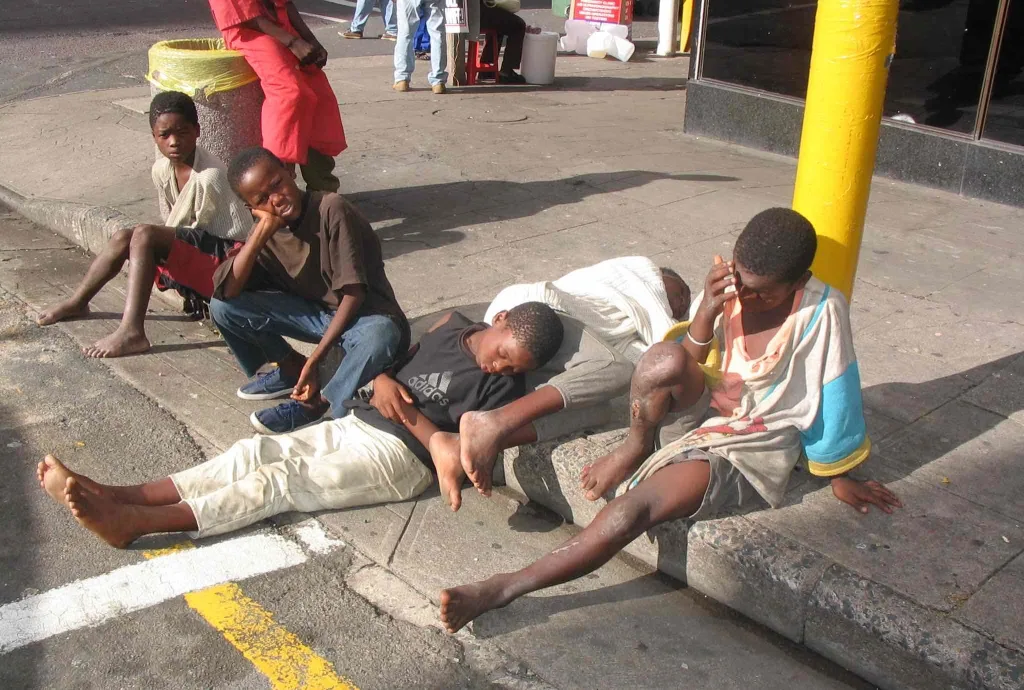
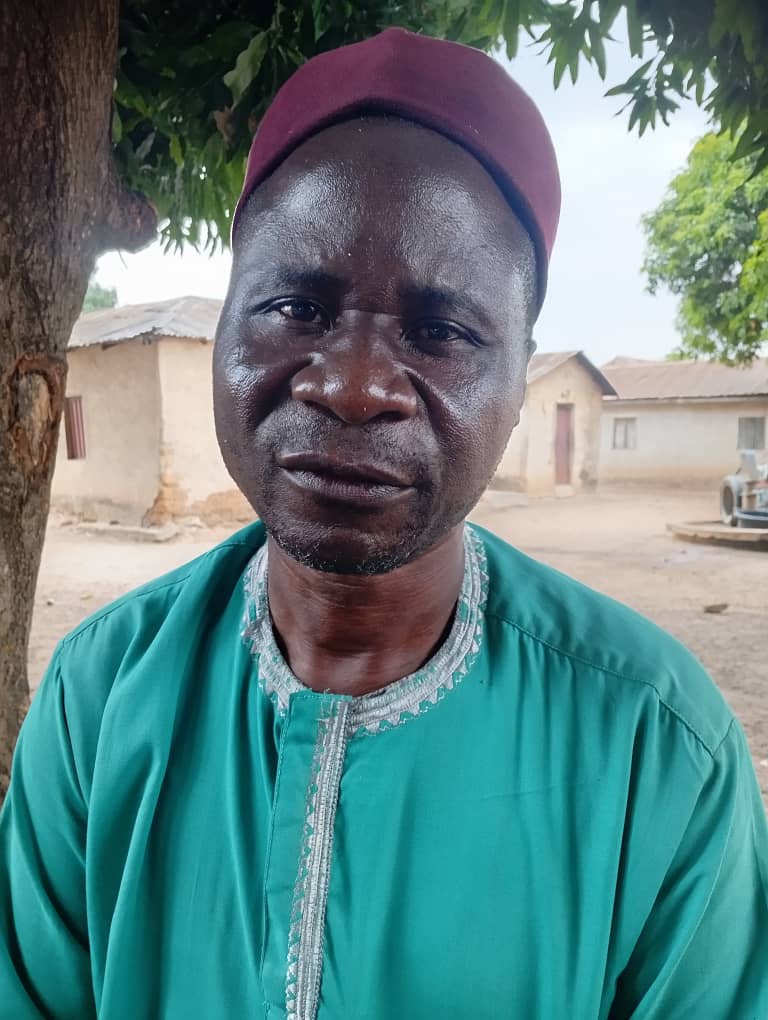
Photo: Richard I. Inegbedion / The African Exponent
In a statement issued on X (formerly Twitter) on 24 March 2026, Obi described the scenes as evidence of a society that has “lost its moral direction” and linked the incident directly to Nigeria’s out-of-school children crisis.
What Happened
Viral videos circulating over the past few days depict officials — reportedly from the Calabar Urban Development Authority (CUDA) — conducting a roundup operation targeting homeless boys accused of petty crimes and antisocial behaviour.
In the footage, the boys are shown bound on the ground with ropes while an official, allegedly linked to a task force, threatens them with a cutlass. Citizens who witnessed the scene confronted the team, and the footage has since sparked widespread outrage across social media platforms.
The term “Skolombo boys” (and “Lakasara girls”) refers to street children in Calabar and parts of southern Nigeria. Many come from broken homes, face accusations of witchcraft, or have been abandoned due to extreme poverty. They survive by begging, scavenging, or engaging in petty crime, and have long been a visible social issue in Cross River State.
Past government efforts, including “Operation Skolombo,” have aimed to clear them from streets, but critics argue these initiatives often rely on harsh, vigilante-style tactics rather than sustainable solutions.
Peter Obi’s Statement
Obi’s post, which has gained significant traction with thousands of likes and reposts within hours, framed the incident as a stark reminder of systemic failure.
“Reports from Cross River State this week have brought to light a deeply troubling incident involving young boys who were tied up like animals and brutally treated under the label of ‘Skolombo boys.’ These are not merely disturbing images; they are a stark reminder that we have failed the children of our nation,” Obi said.
He argued that these children are victims of neglect, not born criminals:
“These young people, often labelled ‘Skolombo boys’ and ‘Lakasara girls,’ are not criminals by birth; they are victims of a system that has neglected them. Children who ought to be in classrooms, learning and building their future, are instead on the streets, struggling to survive.”
Out-of-School Children Crisis
Obi linked the incident to Nigeria’s growing education crisis, noting that the country now has over 20 million out-of-school children — the highest number in the world.
“Today, Nigeria has over 20 million out-of-school children, the highest number in the world, which constitutes a national emergency,” he said.
He warned that a society that brutalises its children cannot claim to be building a future:
“A society that ties up and beats its children with machetes is one that has lost its moral direction. We cannot claim to be building a future while destroying the very foundation of that future — our children.”
Contradiction in National Priorities
The former governor also highlighted what he described as a troubling contradiction in how Nigeria treats different groups:
“Even more troubling is the contradiction we now live with. In a country where we speak of rehabilitation and reintegration for ‘repentant’ terrorists, how do we justify brutality against vulnerable children whose only ‘crime’ is poverty and abandonment?”
Call for Compassion Over Punishment
Obi called on governments at all levels to adopt a more compassionate approach to dealing with vulnerable children.
“We must move from punishment to compassion, from neglect to responsibility. These children must be taken off the streets and given access to education, shelter, and structured rehabilitation. Governments at all levels should seek ways to protect and integrate them into society, rather than criminalise them.”
A Test of National Character
The former presidential candidate concluded by framing the incident as a test of the kind of nation Nigeria aspires to be.
“This is not just about Cross River; it is about the kind of Nigeria we are choosing to build. We must do better. Our nation must protect the weak and the future of its people.”
He ended with his signature campaign slogan: “A New Nigeria is Possible. -PO”
Broader Context
This is not a new phenomenon. Reports dating back years describe “Skolombo boys” as abandoned children rejected by families and hunted in urban spaces, sometimes due to superstition or economic desperation. Human rights advocates have repeatedly criticised extrajudicial treatment of street children across Nigeria.
At the same time, many residents in Calabar view them as a genuine security nuisance involving theft, harassment, and urban decay — a tension that successive administrations have failed to resolve through sustainable policy.
The Cross River State Government has not yet released an official response to the latest video as of this evening.
Obi’s intervention fits his consistent messaging on social issues: prioritising education, child welfare, and compassionate governance over punitive approaches. Whether this leads to concrete action — such as revived rehabilitation programmes, shelter initiatives, or better funding for out-of-school children — remains to be seen.
The incident highlights a painful reality: Nigeria’s failure to address its massive youth vulnerability crisis risks perpetuating cycles of poverty, crime, and social breakdown.
Reporting based on public statement by Peter Obi and video footage from Cross River State.