
Nigeria’s electricity crisis has reached a critical point, with severe implications for economic growth, industrial productivity, and daily life. A recent report by the Nigerian Independent System Operator (NISO) reveals that poor electricity supply is costing the country an estimated ₦40 trillion annually — equivalent to about $29 billion at current exchange rates. This staggering figure highlights the urgency of tackling a problem that has persisted for decades despite multiple reforms, policy announcements, and substantial investments.
In its latest industry report, NISO stressed that a stable national grid is vital for unlocking economic growth, boosting industrial output, and creating jobs. Yet, unreliable power remains one of Nigeria’s most significant development constraints. NISO Board Chairman Adesegun Akin-Olugbade aptly observed that electricity is a 19th-century innovation that should not demand extraordinary expertise to manage effectively. Nevertheless, it continues to pose a debilitating challenge in Nigeria.
The NISO findings echo long-standing concerns raised by independent analysts and international bodies. In 2021, the World Bank ranked Nigeria poorly in electricity access, noting that about 85 million Nigerians lacked grid connection while the economy lost roughly $26–29 billion yearly due to inadequate supply. The situation has shown little improvement, with economic losses remaining in the same range amid ongoing inefficiencies.
The human and business impact is stark. Nigeria ranks among the world’s most difficult environments for doing business, largely due to the high cost of self-generated power via diesel or petrol generators. From small roadside shops to large manufacturers, reliance on backup generators has become the norm, inflating operational costs, squeezing profit margins, and stifling expansion.
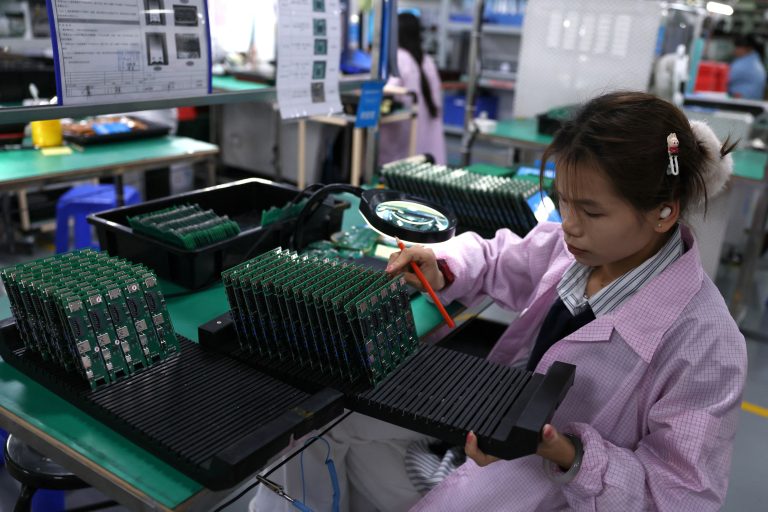
Small and medium-sized enterprises (SMEs), the backbone of the economy, have been hit hardest. Many have scaled down or closed operations due to prohibitive fuel and maintenance expenses. Those that survive often pass higher energy costs to consumers, fueling inflation and eroding purchasing power. Large-scale industries, particularly manufacturing, face inconsistent production and struggle to compete locally or internationally, deterring foreign investment and limiting job creation.
Beyond economics, the crisis affects essential services. Hospitals depend on generators for life-saving equipment, raising medical costs and sometimes endangering lives. Schools, especially in rural areas, lack reliable power for basic operations and digital learning, widening the educational gap with more developed nations.
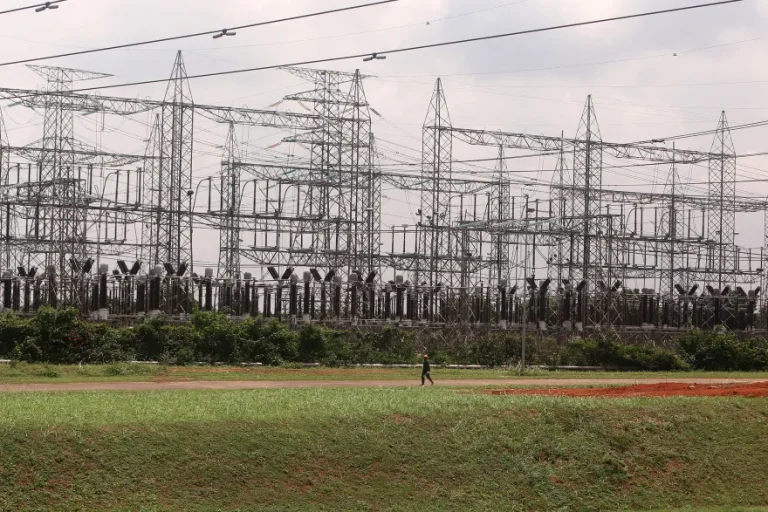
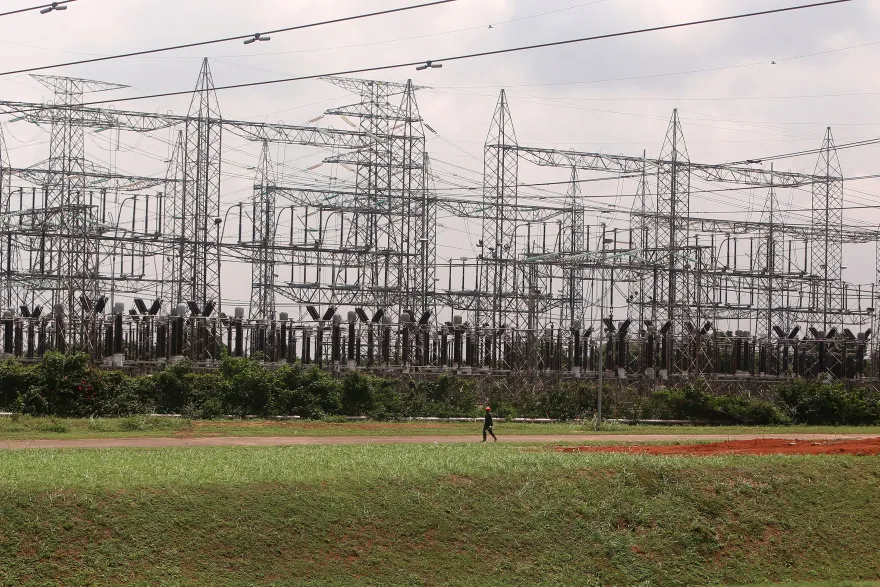
Thirteen years after the 2013 privatization of the power sector, the promised transformation has largely failed to materialize. Frequent grid collapses, erratic supply, and accountability gaps persist. The sector’s three segments — generation (Gencos), transmission, and distribution (Discos) — each face distinct challenges: gas supply shortages and infrastructure deficits for Gencos; limited wheeling capacity for transmission; and underinvestment plus revenue collection issues for Discos.
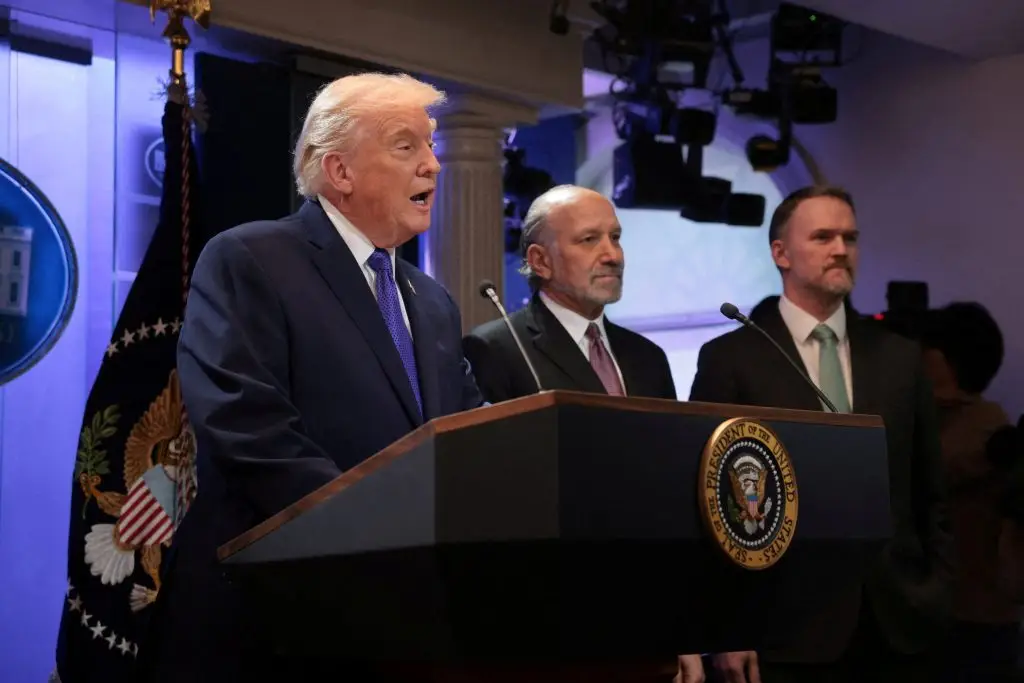
At the All Progressives Congress 4th Elective National Convention in Abuja, President Bola Ahmed Tinubu acknowledged these challenges and pledged improvements. One key initiative is the proposed Grid Asset Management Company (GAMCO), aimed at strengthening transmission infrastructure and stabilizing nationwide electricity supply.
While GAMCO represents a positive step, many Nigerians remain skeptical. Past promises have yielded limited results, and reports that the Presidential Villa relies heavily on alternative sources like solar have deepened doubts about confidence in the national grid.
Addressing this national emergency requires a holistic approach: clear policy direction, robust regulatory oversight, transparency, and accountability across the value chain. Critical needs include upgrading transmission networks to handle higher generation capacity, modernizing distribution systems to cut losses, diversifying energy sources (including solar and wind), and resolving the sector’s mounting debts to restore investor confidence.
Equally vital is rebuilding public trust through visible, measurable progress, realistic targets, and regular updates.
The electricity crisis is not merely a sectoral issue — it is a national emergency that demands urgent, decisive action. No country achieves sustained economic growth without reliable power. The Tinubu administration must prioritize fixing the power sector to realize its broader economic goals.
If Nigeria is to unlock its potential, generate jobs, and improve citizens’ quality of life, rhetoric must now give way to concrete results. The stakes are too high for further delay.