
By Gram Slattery, David Lawder and Andrea Shalal
Reuters
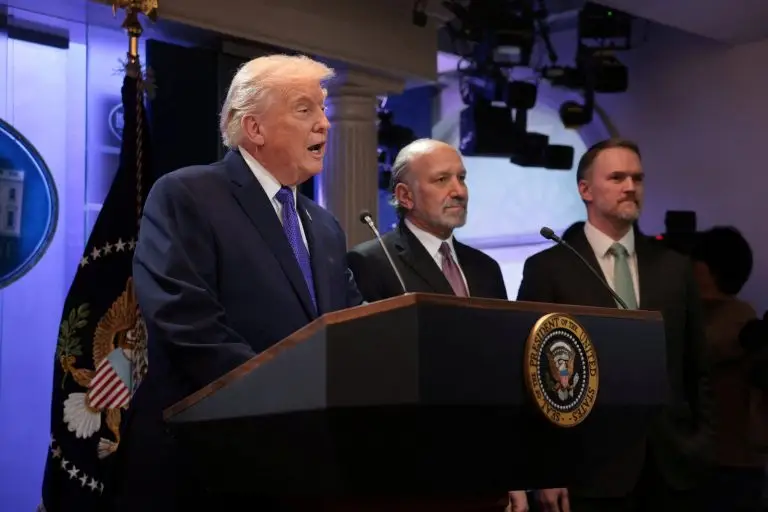
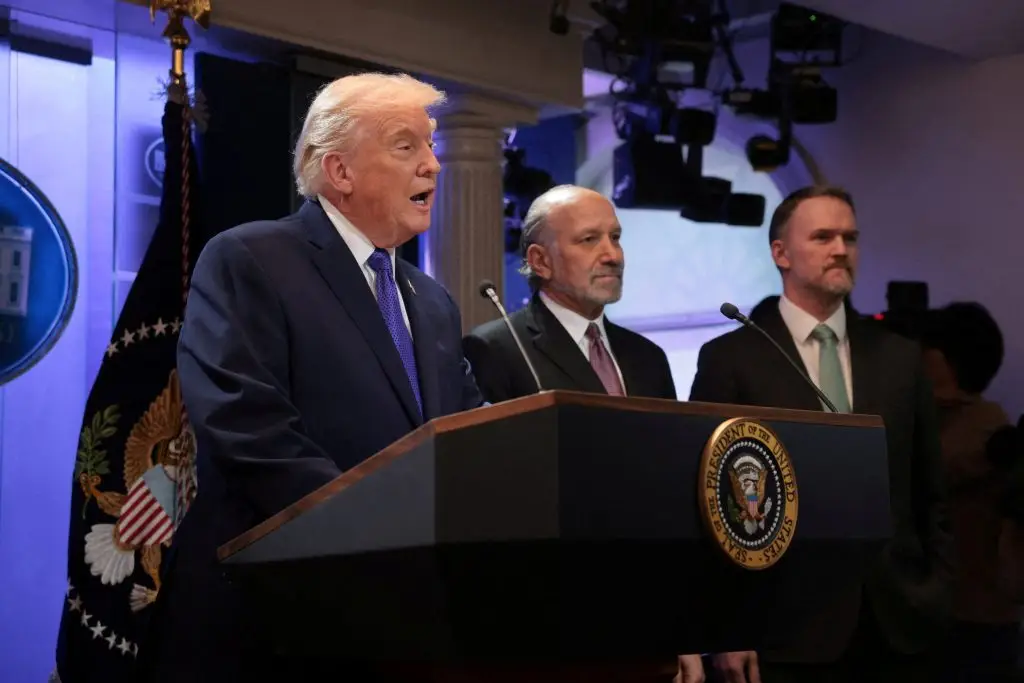
WASHINGTON, Feb 20 (Reuters) — U.S. President Donald Trump moved swiftly on Friday to replace tariffs struck down by the Supreme Court with a temporary 10% global import duty for 150 days and ordered new investigations under other laws that could allow him to re-impose the tariffs.
Trump signed executive orders late on Friday to impose new tariffs starting on Tuesday under Section 122 of the Trade Act of 1974, partly replacing tariffs of 10% to 50% under the 1977 International Emergency Economic Powers Act that the top court declared illegal, and ending collection of the now-banned duties.
The orders continued exemptions already in place for aerospace products; passenger cars and some light trucks; goods from Mexico and Canada that are compliant with the U.S.-Mexico-Canada trade agreement; pharmaceuticals and certain critical minerals and agricultural products.
Trump’s Treasury Secretary, Scott Bessent, said the new 10% duties and potentially enhanced tariffs under the Section 301 unfair practices statute and the Section 232 national security statute would result in virtually unchanged tariff revenue in 2026.
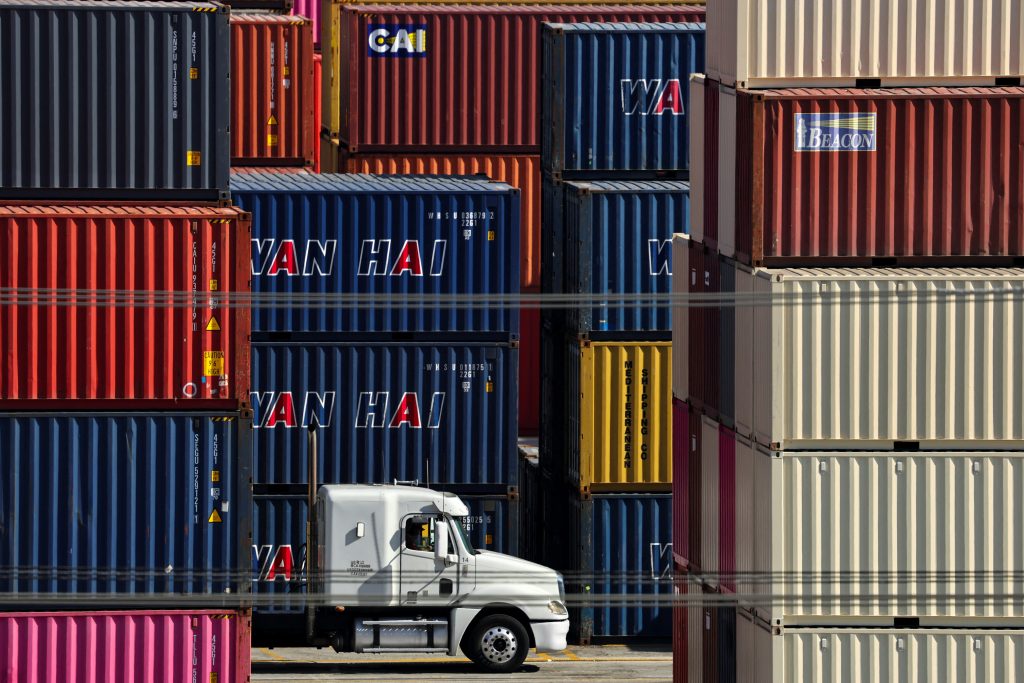
“We will get back to the same tariff level for the countries. It will just be in a less direct and slightly more convoluted manner,” Bessent told Fox News, adding that the Supreme Court decision had reduced Trump’s negotiating leverage with trading partners.
The rarely used Section 122 authority allows the president to impose duties of up to 15% for up to 150 days on any and all countries to address “large and serious” balance-of-payments issues. After 150 days, Congress would need to approve their extension.
Trump said his administration also was initiating several new country-specific investigations under Section 301 of the Trade Act of 1974 to protect the United States from what it described as unfair trading practices.
The executive order directed the U.S. Trade Representative’s office to investigate “certain unreasonable and discriminatory acts, policies and practices that burden or restrict U.S. commerce,” without naming specific countries.
USTR already has open probes on China and Brazil and could take aim at other major trading partners, including Vietnam and Canada.
FASTER INVESTIGATIONS
Trump said the temporary tariffs would give his administration time to complete investigations that could lead to enhanced duties. He added that tariff levels could ultimately rise for some countries, while others might face more moderate measures.
REFUNDS TO BE ‘LITIGATED’
The Supreme Court ruling has placed roughly $175 billion in tariff revenue collected over the past year under potential refund claims, according to estimates from economists. Trump said any refunds would likely be subject to prolonged litigation.
MORE PROCEDURES
Legal experts said reliance on established trade laws could introduce greater transparency into tariff policy, though uncertainty remains for businesses and global trading partners.
© Reuters. Published by Credibility Media and Entertainment Ltd under licence.