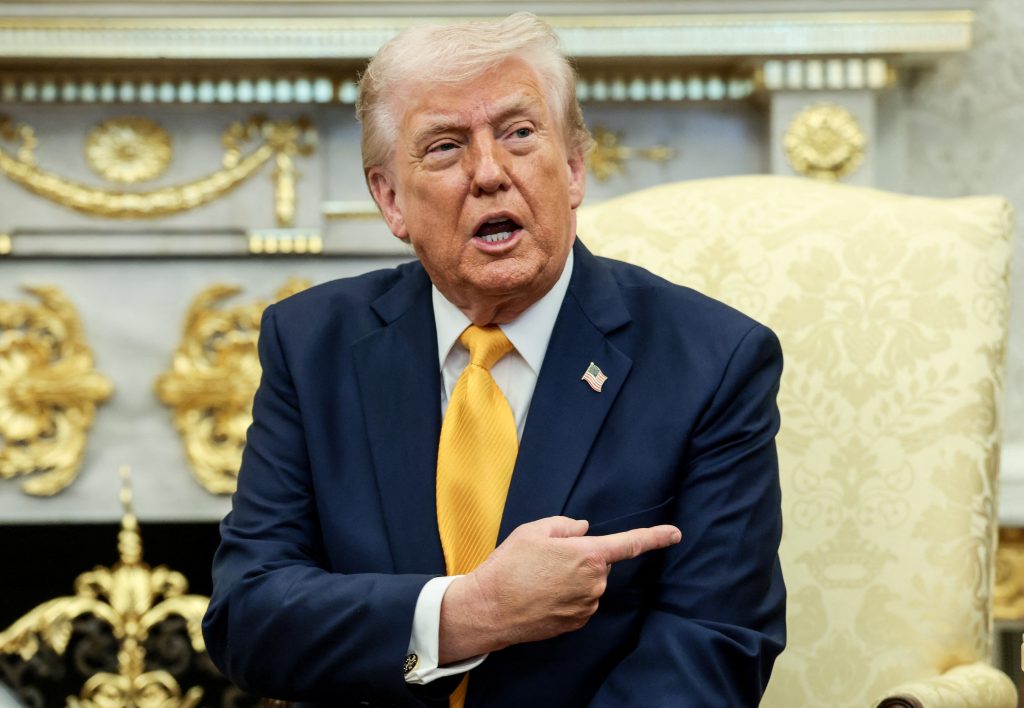
U.S. President Donald Trump said on Thursday that he had urged Israel not to carry out further attacks on Iranian natural gas infrastructure, as escalating tit-for-tat strikes between Israel and Iran roil global energy markets.
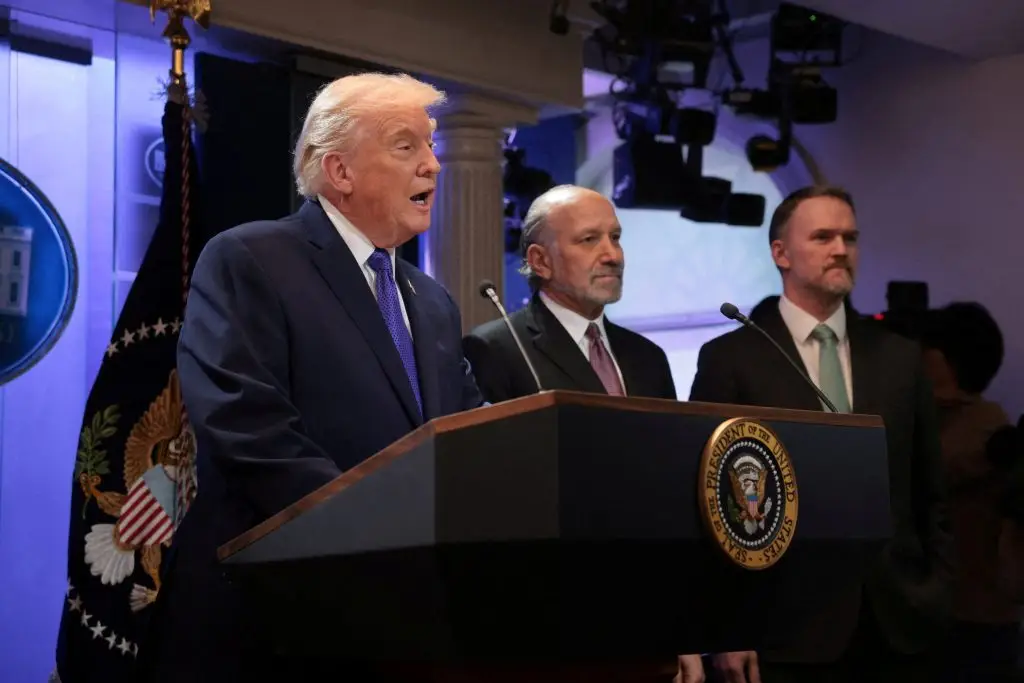
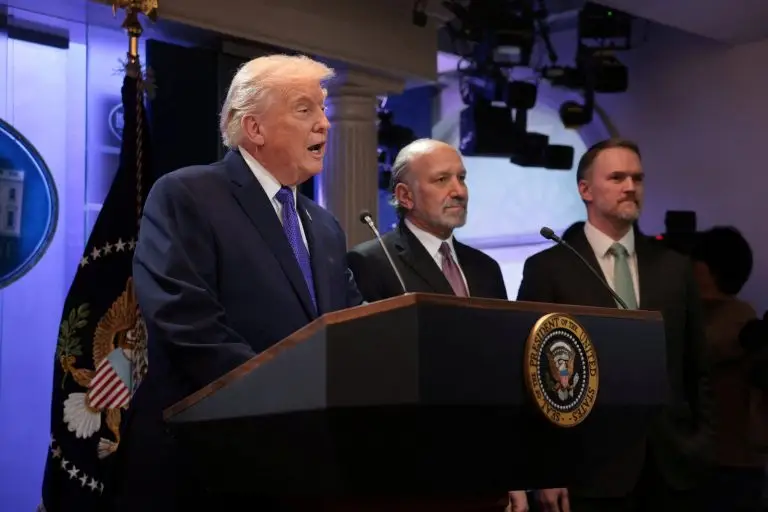
Speaking to reporters, Trump confirmed he had directly raised the issue with Israeli Prime Minister Benjamin Netanyahu.
“Yeah, I did. I did. I told him, ‘Don’t do that.’ And he won’t do that,” Trump said.
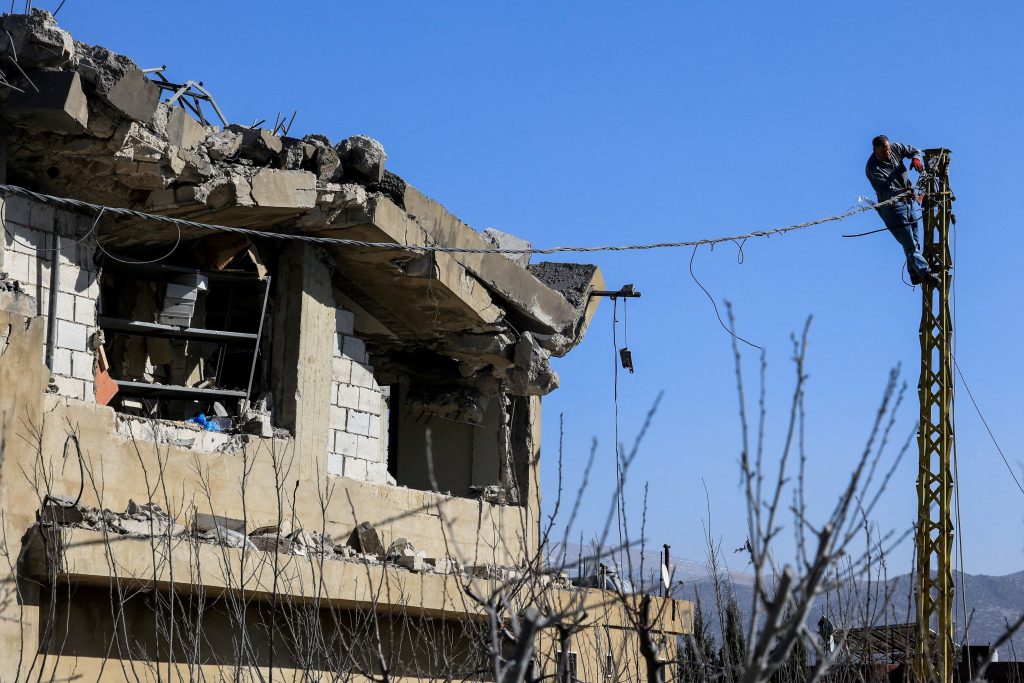
His comments followed a sharp rise in global energy prices after Iran retaliated for an Israeli strike on a major gas field. Tehran targeted Qatar’s Ras Laffan Industrial City, a critical hub responsible for processing roughly 20% of the world’s liquefied natural gas. The attack reportedly caused extensive damage, which is expected to take years to repair.
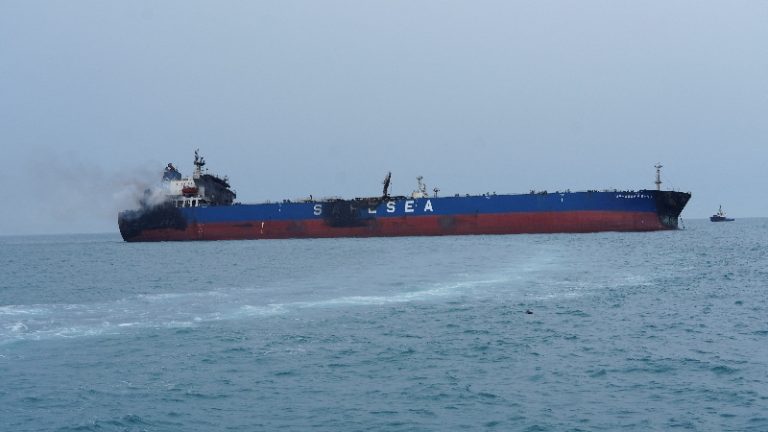
The escalation has heightened concerns about energy supply disruptions, particularly as tensions threaten the Strait of Hormuz, a vital shipping route for about one-fifth of global oil supplies.
Trump faces growing political pressure at home as rising fuel prices affect U.S. consumers, including his core voter base. He has also criticised allies for what he described as a lack of urgency in supporting efforts to secure key maritime routes in the region.
Netanyahu acknowledged Trump’s request and signalled compliance.
“Fact number one: Israel acted alone against the Asaluyeh gas compound. Fact number two: President Trump asked us to hold off on future attacks, and we are holding off,” Netanyahu said.
He also rejected claims that Israel had pushed the United States into the conflict.
“Does anyone really think that someone can tell President Trump what to do? Come on,” he added.
Meanwhile, differences in strategic objectives between Washington and Tel Aviv appear to be emerging. Testifying before a House committee, Director of National Intelligence Tulsi Gabbard outlined contrasting priorities.
“We can see through the operations that the Israeli government has been focused on disabling the Iranian leadership,” Gabbard said, referencing efforts targeting senior figures, including Iran’s Supreme Leader.
She contrasted this with Trump’s stated goals: dismantling Iran’s ballistic missile capabilities, degrading its naval forces—particularly the IRGC Navy—and limiting its ability to deploy naval mines.
The Trump administration is now seeking an additional $200 billion in funding for the war effort, according to a U.S. official. However, the request is expected to face strong resistance in Congress, which must approve the allocation.
As tensions continue to escalate, markets and policymakers alike are bracing for further instability in both the geopolitical and energy landscapes.
© Reuters