

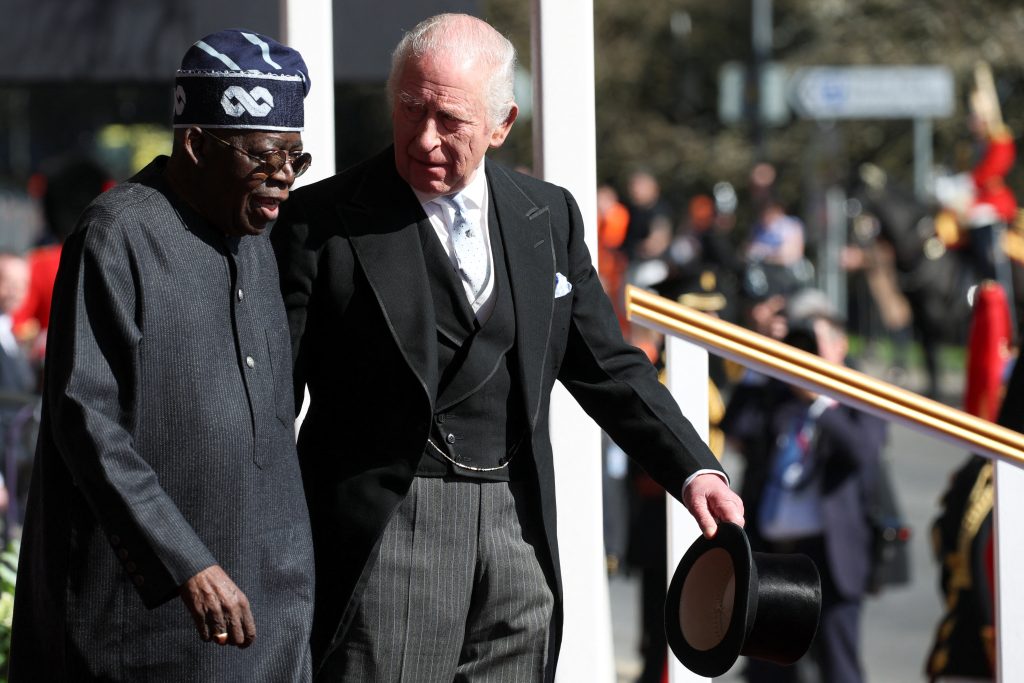
LONDON – The United Kingdom and Nigeria have signed a landmark £746 million (approximately $990 million) export finance agreement to fund the redevelopment and modernization of two of Lagos’s major ports: the Lagos Port Complex (Apapa) and Tin Can Island Port Complex. The deal was finalized on March 19, 2026, during President Bola Ahmed Tinubu’s state visit to the UK — the first full state visit by a Nigerian leader in 37 years.
Historical Context: 37 Years Between State Visits
Historically, the first Nigerian head of state to undertake a state visit to the United Kingdom was General Yakubu Gowon in June 1973. This visit symbolised Nigeria’s emergence as a sovereign actor engaging Britain on equal diplomatic footing after independence.
Subsequent state visits included President Shehu Shagari in 1981 and General Ibrahim Babangida in May 1989 — the last such visit prior to Tinubu’s 2026 trip.
It is important to distinguish state visits from other forms of high-level engagements. For instance, Prime Minister Abubakar Tafawa Balewa visited the UK in December 1965 and was received by Queen Elizabeth II; however, this was an official visit, not a full state visit.
Similarly, the United Kingdom has undertaken high-level visits to Nigeria both before and after independence (October 1, 1960). Queen Elizabeth II’s 1956 royal tour occurred during the colonial period and therefore did not constitute a state visit between equal sovereign nations. Her return to Nigeria in December 2003 for the Commonwealth Heads of Government Meeting (CHOGM) was a significant diplomatic event, though it is generally classified as a Commonwealth/official visit rather than a bilateral state visit.
British Prime Ministers — including Alec Douglas-Home (1973), Margaret Thatcher (1988), Tony Blair, David Cameron, and Theresa May — have also visited Nigeria on working visits, focusing on trade, governance, and security cooperation rather than ceremonial state diplomacy.
A Deal with British Industry at Its Core
The £746 million package, guaranteed by UK Export Finance (UKEF) and arranged through Citibank, functions as a buyer credit facility. It enables Nigeria — via the Ministry of Finance and Nigerian Ports Authority — to procure goods, services, and expertise (primarily from UK suppliers) for comprehensive port upgrades. These include reducing congestion, improving cargo handling, deepening channels, fortifying quay walls, and installing modern equipment to enhance efficiency and global competitiveness.
The two ports handle over 70% of Nigeria’s seaborne trade, making the project potentially transformative for import/export costs and logistics.
A Reset in UK–Nigeria Relations
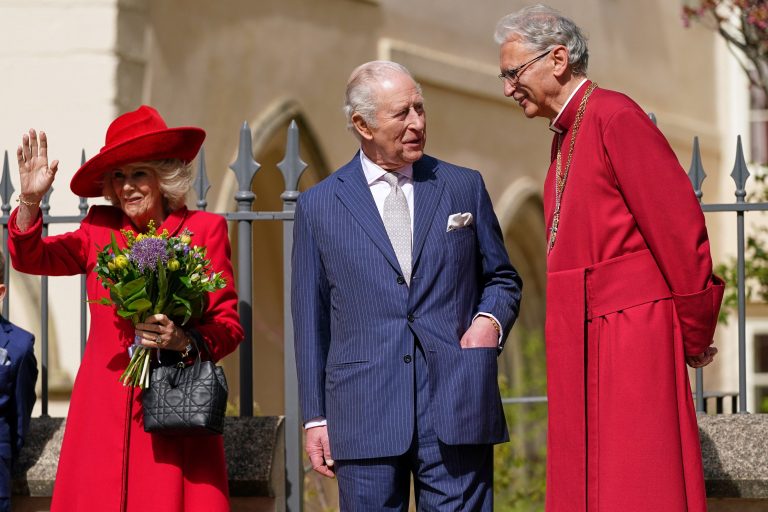
The agreement is a tangible early outcome of the UK–Nigeria Strategic Partnership, formalized in a joint communiqué in November 2024. It reflects the UK’s post-Brexit push for deeper ties in Africa and Tinubu’s infrastructure priorities under the Renewed Hope agenda. The visit included meetings with Prime Minister Keir Starmer and King Charles III at Windsor Castle.
Beyond the Ports: A Framework for Future Projects
In addition to the financing, both governments signed a non-binding Memorandum of Understanding (MoU) establishing pathways for collaboration in infrastructure, energy, technology, education, and other sectors. Officials describe it as a mechanism to accelerate future “pipeline projects” without repeated foundational negotiations.
Significance of the State Visit
Dimension Significance
Political Signals mutual recognition, trust, and strategic alignment at the highest level
Economic Unlocks major trade deals, investment flows, and financing arrangements
Diplomatic Resets or strengthens bilateral relations after long periods without engagement
Strategic Positions both countries within broader global and regional frameworks
Will Nigerians Benefit? The Corruption Question
For many Nigerians enduring short-term hardships from economic reforms (fuel subsidy removal, exchange rate unification), the central question is whether benefits will reach ordinary citizens or be undermined by corruption and inefficiency.
If executed effectively and transparently, the port upgrades could:
Reduce congestion and cargo delays
Lower import/export costs (potentially easing prices for food, goods, and inputs)
Boost Nigeria’s trade competitiveness and attract investment
Generate indirect jobs in logistics, trucking, warehousing, and related sectors
However, Nigeria’s port sector has a history of inefficiencies, opaque processes, and corruption allegations. Critics, including the African Democratic Congress (ADC), have labeled the deal a “mugu” arrangement — disproportionately benefiting UK companies and jobs (protecting British industry via tied contracts) while saddling Nigeria with repayable debt (principal plus interest over 10–15 years).
UKEF’s due diligence, milestone-based disbursements, and oversight provide some safeguards, but full legal details of the agreement and MoU remain unpublished as of March 23, 2026, limiting immediate public and civil society scrutiny.
Success depends on:
Transparent procurement and contract disclosure
Independent auditing (EFCC, ICPC, media, NGOs)
Robust accountability to prevent fund diversion
What Comes Next
The coming weeks and months will be decisive. Publication of full agreements, early implementation milestones, independent monitoring, and visible improvements at the ports will determine outcomes.
This historic state visit marks a diplomatic milestone and potential infrastructure boost — but its legacy hinges on delivery, transparency, and real impact on Nigerians’ lives. Whether it becomes a turning point for development or another opportunity diluted by familiar challenges remains to be seen.