
The United Nations General Assembly has adopted a landmark resolution recognising the transatlantic slave trade as the “gravest crime against humanity,” in a vote that exposed deep divisions between African nations and Western countries over reparations.
The resolution, proposed by Ghana, passed with 123 votes in favour. Only three countries — the United States, Israel, and Argentina — voted against it. Fifty-two nations abstained, including all members of the European Union and the United Kingdom.
Although not legally binding, the resolution carries significant political and symbolic weight. It calls on member states to engage in dialogue on reparatory justice, including formal apologies, financial compensation, the return of looted cultural artefacts, and guarantees of non-repetition.
A Historic Step for Supporters
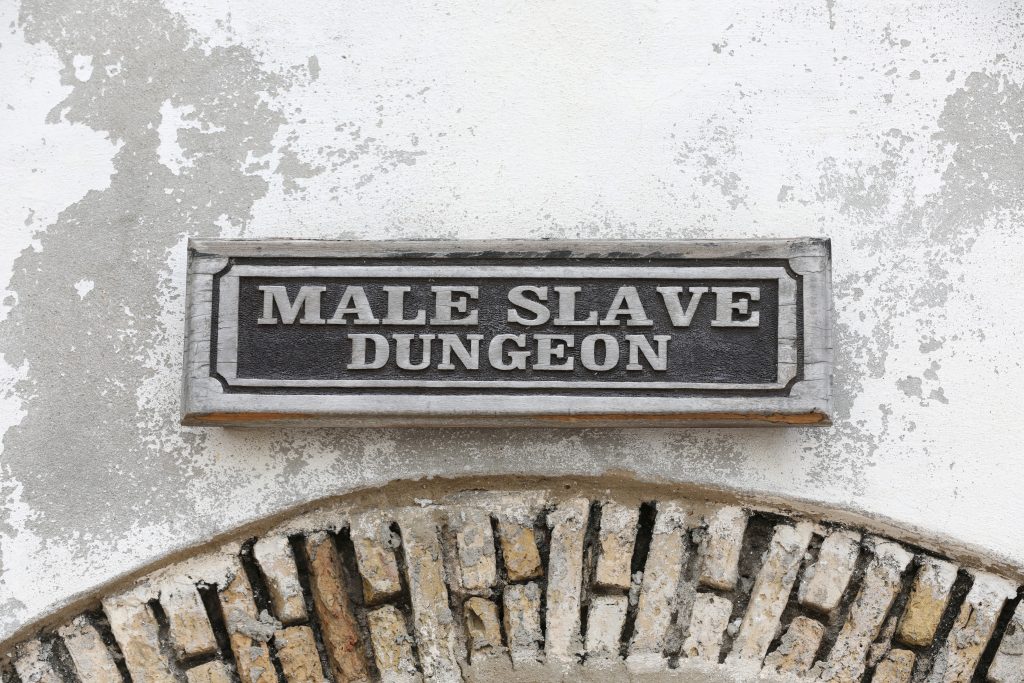
For its backers, the vote marks the strongest stance yet by the United Nations on the enduring consequences of the transatlantic slave trade, during which an estimated 12.5 million Africans were forcibly transported between the 15th and 19th centuries.
Justin Hansford, a law professor at Howard University, described the outcome as a watershed moment.
“This marks the first vote on the floor of the United Nations on this issue,” he said. “I cannot overemphasise how large of a step that is.”
Ghana’s Foreign Minister, Samuel Ablakwa, hailed the resolution as a vital move towards justice, arguing that the legacies of slavery continue to shape racial and economic inequalities.
UN Secretary-General António Guterres called on member states to take “far bolder action” to address historical injustices. Notably, the Netherlands remains the only European nation to have issued a formal apology for its role in the slave trade.
Western Concerns and Opposition
The resolution faced strong resistance from Western powers. The European Union and the United Kingdom abstained, citing legal and factual concerns — particularly the retroactive application of modern international law to events that occurred centuries ago.
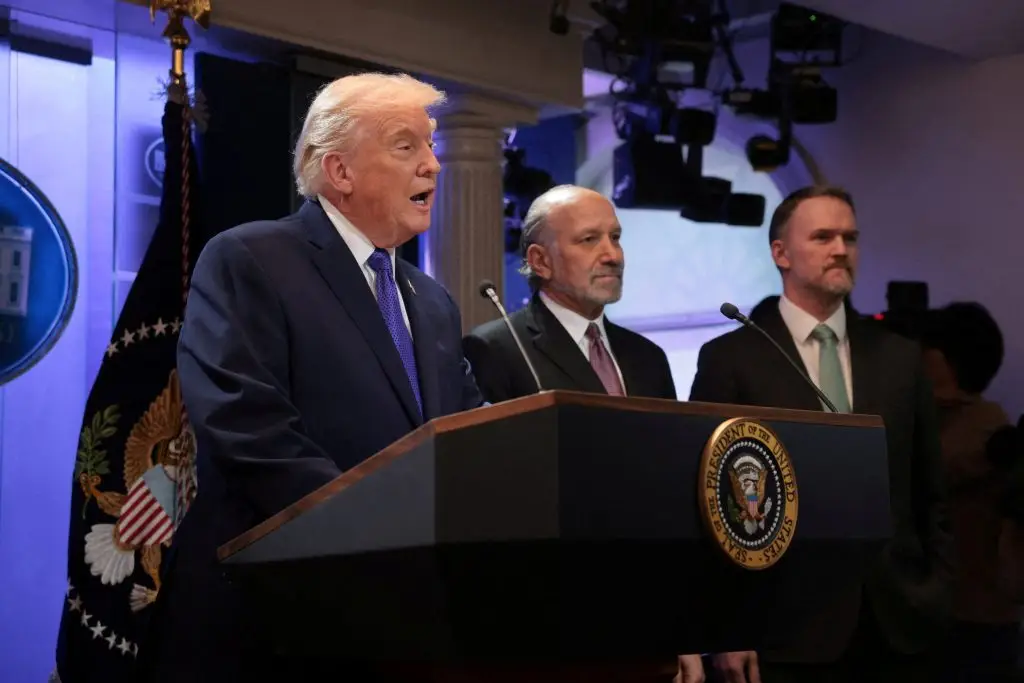
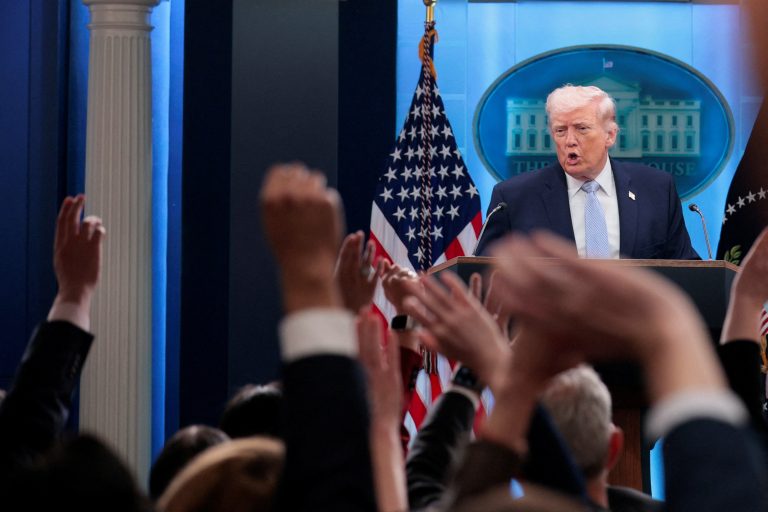
The United States voted against the measure. Its representative, Dan Negrea, criticised what he described as the “cynical usage of historical wrongs as a leverage point … to reallocate modern resources to people and nations who are distantly related to the historical victims.”
Both the EU and the US also raised concerns that the resolution could create a perceived hierarchy among crimes against humanity by elevating one historical atrocity above others.
Growing Momentum for Reparations
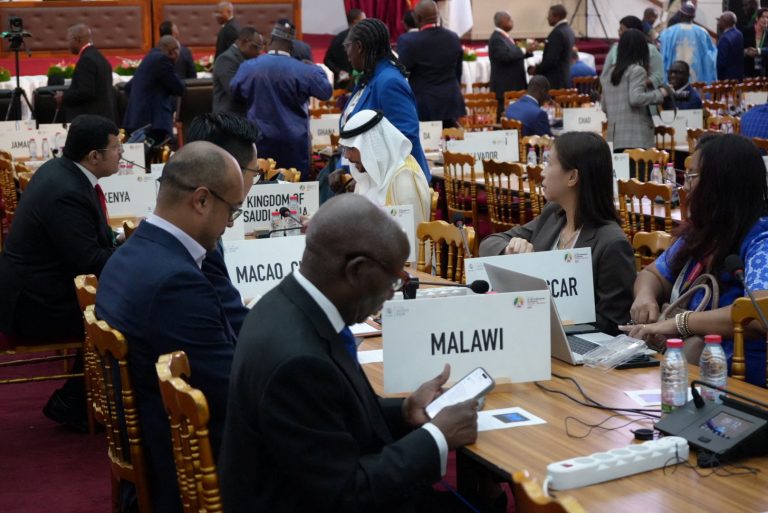
The vote represents a significant step forward in the African Union’s efforts to build a unified position among its 55 member states on reparations.
African and Caribbean nations have increasingly called for the establishment of a dedicated UN reparations tribunal.
Historian Babatunde Mesewaku, speaking from Badagry — a historic slave port in Nigeria — emphasised the unprecedented scale and duration of the transatlantic trade, as well as its long-term impact on Africa’s development.
Questions and Contradictions
Ghana’s leadership on the issue has drawn both praise and scrutiny. Critics point to an apparent contradiction: while advocating for historical justice on the global stage, the country has pursued stricter domestic legislation on LGBT rights — a move some argue undermines its broader human rights stance.
What Comes Next
While the resolution imposes no legal obligations, it provides a platform for sustained diplomatic pressure on former colonial powers. African and Caribbean nations are expected to push for more concrete mechanisms, potentially including proceedings at the International Court of Justice.
Foreign Minister Ablakwa suggested the vote could pave the way for a broader “reparative framework.”
“History does not disappear when ignored, truth does not weaken when delayed, crime does not rot … and justice does not expire with time,” he said.
For Western nations that opposed or abstained, the outcome highlights growing diplomatic isolation on an issue they have long approached cautiously. How — or whether — they engage in future reparations discussions will remain a defining question in the post-colonial era.
Based on reporting by Catarina Demony for Reuters. Additional analysis by The Credibility News.