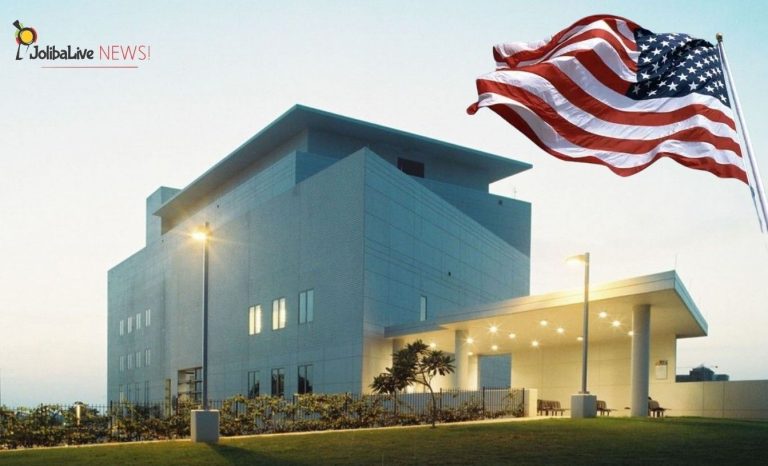
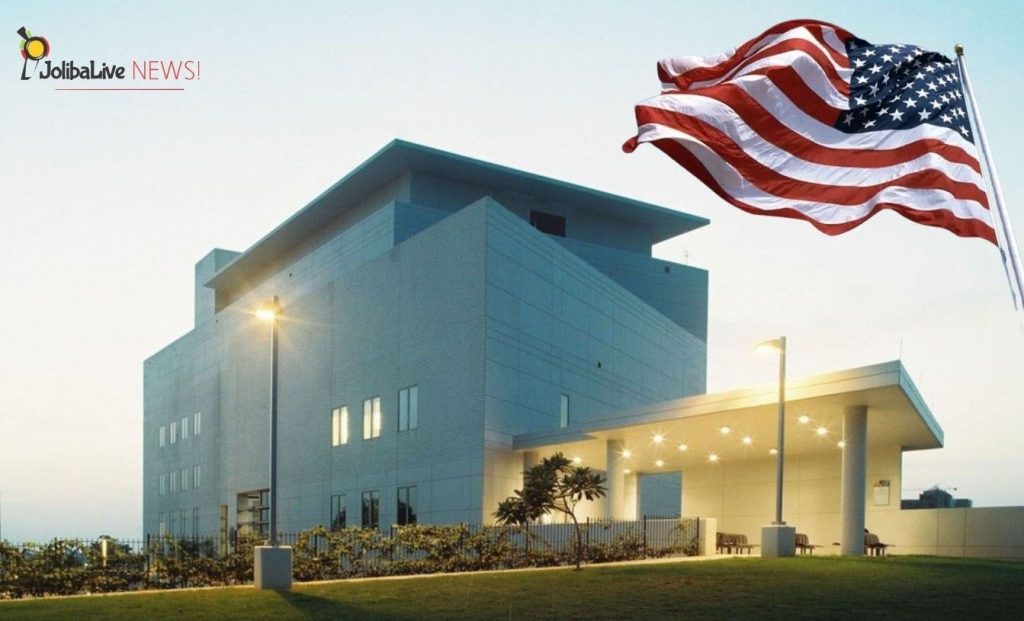
The United States has authorised the voluntary departure of non‑emergency government employees and their families from its embassy in Abuja due to a deteriorating security situation — a move widely viewed as a stark warning about the state of stability in Africa’s most populous nation.
The directive, issued on April 8, 2026, by the U.S. Department of State, comes as Nigeria grapples with persistent terrorism, banditry, kidnapping, and violent crime. The U.S. Embassy in Abuja remains open but with limited capacity for consular services. The State Department has also updated its travel advisory, urging Americans to “reconsider travel” to Nigeria while designating several states at the highest “Do Not Travel” level (Level 4).
This development is particularly alarming for a country already struggling to attract foreign investment and rebuild investor confidence. Nigeria ranks fourth on the 2026 Global Terrorism Index, with terrorism‑related deaths rising sharply by 46 per cent in 2025 to 750, driven largely by groups such as the Islamic State West Africa Province (ISWAP) and Boko Haram.
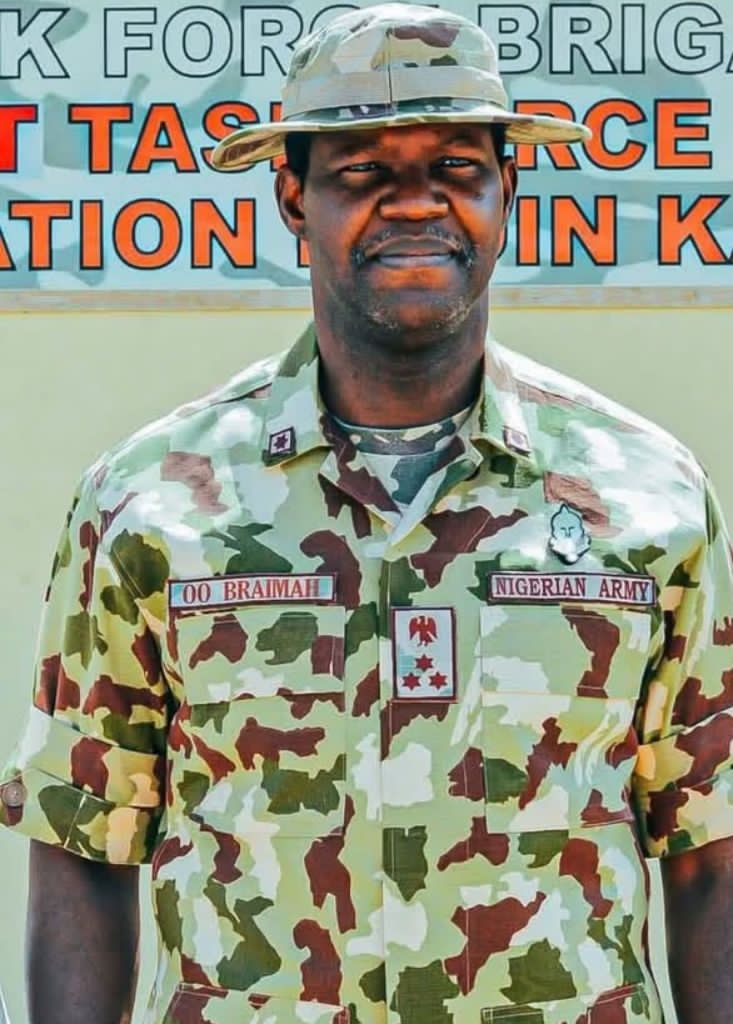
The alarm bells rang louder on April 9, 2026, when terrorists killed Brigadier General Oseni Braimah (also referred to as O.O. Braimah), commander of the 29 Task Force Brigade, along with at least 17 to 18 other soldiers in a coordinated overnight assault on a military base in Benisheikh, Kaga Local Government Area of Borno State. The attack, attributed to Boko Haram and ISWAP elements, also involved strikes on nearby areas and resulted in the destruction of military vehicles.
Military sources described the troops’ response as courageous, claiming the assailants were eventually repelled, but independent reports indicate the base was overrun. President Bola Tinubu has condemned the incident, offered condolences to the families, and vowed to intensify efforts against terrorism, describing the insurgents’ actions as a sign of desperation.
The U.S. move is seen by many analysts and commentators as a clear vote of no confidence in Nigeria’s current security architecture. In a strongly worded statement, Peter Obi, former Anambra State governor and 2023 Labour Party presidential candidate, described the directive as “a bad omen” and a national emergency.
Obi highlighted the human cost: “A nation where people cannot live, work, worship, or travel safely cannot progress or attract investment.” He criticised what he called a prioritisation of politics over citizens’ safety and effective governance, drawing a parallel to Nero fiddling while Rome burned.
“The primary duty of any government is the protection of lives and property,” Obi stated. “Our failure continues to place immense strain on our troops, who make the ultimate sacrifices.” He ended with his signature optimism: “A New Nigeria is POssible.”
The Nigerian government has pushed back, insisting the country remains safe and that security operations are ongoing. However, the combination of the U.S. evacuation order, the fresh loss of a senior officer, and Nigeria’s elevated terrorism ranking underscores the scale of the challenge.
Years of insurgency in the north‑east, banditry in the north‑west, and farmer‑herder clashes elsewhere continue to claim lives, displace communities, and undermine economic recovery. Security experts note that without sustained, effective governance focused on citizen protection, attracting the investment needed for development will remain elusive.
As one observer put it, the U.S. signal is not just about embassy staffing — it is a broader reflection of how insecurity is eroding Nigeria’s standing on the global stage. Whether this serves as a much‑needed wake‑up call or merely another grim headline depends on the urgency and effectiveness of the response from Nigerian leaders.