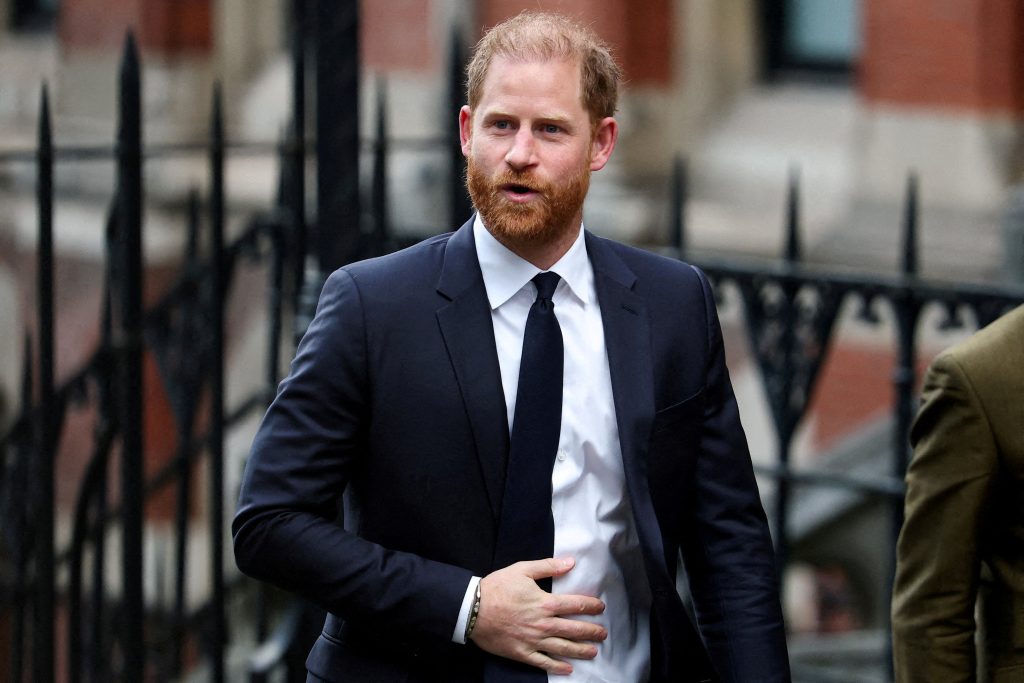
The dramatic testimony of private investigator Gavin Burrows — who claims his signature was forged on a key witness statement — threatens to derail one of the most high-profile privacy lawsuits in British legal history. The case, brought by Prince Harry, Elton John, and others against the publisher of the Daily Mail, has been seen as a landmark test of press accountability in the UK.
Key implications for the UK:
- Press freedom vs. privacy: The lawsuit has been closely watched as a battle between tabloid journalism and the right to privacy. If Burrows’ testimony that the case is “based on a pack of lies” is accepted, it could significantly weaken press accountability efforts and strengthen publishers’ defences against similar claims.
- Credibility of witnesses: Burrows’ claim that he never signed the statement and that his signature was forged raises serious questions about the evidence presented by the claimants’ legal team. The judge’s assessment of his credibility will be crucial.
- Political and public interest: Prince Harry’s ongoing legal battles against British tabloids have attracted intense public and political scrutiny. A ruling against the claimants could be seen as a victory for Associated Newspapers and a setback for those seeking to hold the press accountable for historical misconduct.
- Legal costs and precedent: The case has already cost millions in legal fees. If the claimants lose, it may deter future privacy lawsuits against major publishers and reshape how such cases are funded and litigated.
- Reputational stakes: For Associated Newspapers, which has consistently denied wrongdoing, a successful defence would vindicate its position. For the claimants — including Harry, who has made press accountability a central mission — a loss would be a significant personal and legal blow.
Legal analysts note that Burrows’ testimony is pivotal. If the court finds that the witness statement was indeed forged or fabricated, the claimants’ case could collapse. Closing submissions are due later this month, with a ruling expected in the coming weeks.
By Michael Holden
LONDON, March 23 (Reuters) – A key witness in a privacy lawsuit brought by Prince Harry and other high-profile figures against the Daily Mail told London’s High Court on Monday the claimants had been conned and he denied signing a damning statement against the paper’s publisher.
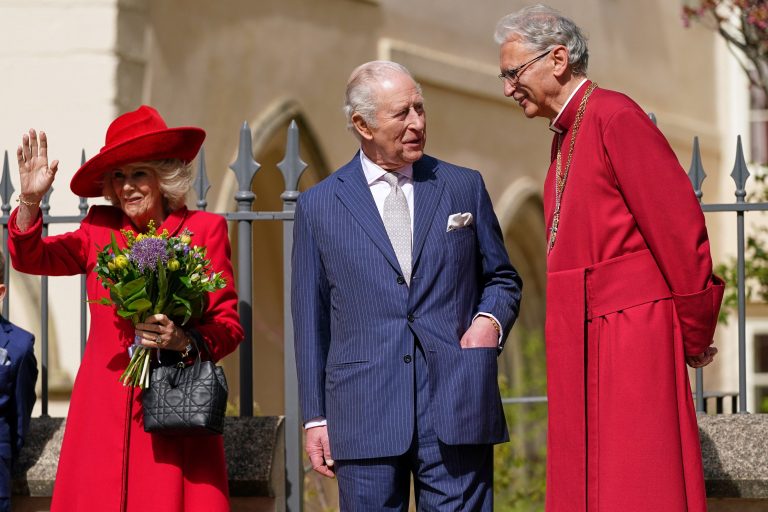
Harry, the younger son of King Charles, and six others including singer Elton John have accused Associated Newspapers’ tabloids of being involved in widespread unlawful information gathering including phone-hacking dating back 30 years.
Associated, which also publishes the Mail on Sunday, has denied any wrongdoing.
The trial has already heard evidence from Harry and the other claimants as well as numerous senior current and former journalists and staff at Associated.
On Monday private investigator Gavin Burrows, whose testimony could decide the outcome, said the lawsuit “was based on a pack of lies”.
WITNESS: STATEMENT ‘HAS NOTHING TO DO WITH ME’
In August 2021, the claimants’ lawyers say Burrows signed a witness statement in which he stated he had “targeted hundreds, possibly thousands of people” for Associated, from tapping landlines and hacking voicemails to obtaining information by deception.
Those allegations help form a substantial part of the claimants’ case.
Burrows later told Associated’s legal team he had never made this statement and that his signature had been faked, telling the court he had first heard about the allegations attributed to him by reading a newspaper report.
“This statement has nothing to do with me,” Burrows – who gave evidence from an undisclosed overseas location as he says he and his family have received threats – told the court by videolink.
“You have got to explain to your claimants how you have been conned,” he said during testy exchanges with their lawyer David Sherborne who was given permission to treat his own witness as “hostile”. “This thing is based on a pack of lies.”
Associated have cast the whole case as manufactured and funded by opponents of the press such as the late motor racing boss and privacy campaigner Max Mosley, and that a “research team” assisting the claimants’ lawyers had paid witnesses to provide evidence.
Sherborne accused Burrows of lying, suggesting he had only decided to change his evidence after he fell out with one of the research team, Graham Johnson, a journalist who was convicted of phone-hacking and now writes about tabloids’ unlawful activities.
Johnson has previously told the court that Burrows had agreed to a book deal and to help with documentaries for which he had been paid 75,000 pounds ($100,747.50), and that their relationship fell apart in early 2022.
Burrows said he had no knowledge that he would be used in the Associated litigation until January 2023 when he became “absolutely furious” that his name was being linked. He said he approached the publisher because he thought one of the claimants, racism campaigner Doreen Lawrence, was being conned.
“The whole thing is a thing of fiction,” he said. He told the court he had never worked for or been paid by Associated.
Burrows is the last witness at the trial, which began in January, with closing submissions due later this month.
($1 = 0.7444 pounds)
(Reporting by Michael Holden; Editing by Andrew Heavens)
Reuters wire copy published under license. UK impact analysis by Credibility News.