The head of the World Trade Organisation (WTO) has issued a stark warning that the global trade system has undergone irreversible change, calling on member states to urgently overhaul the rules governing international commerce.
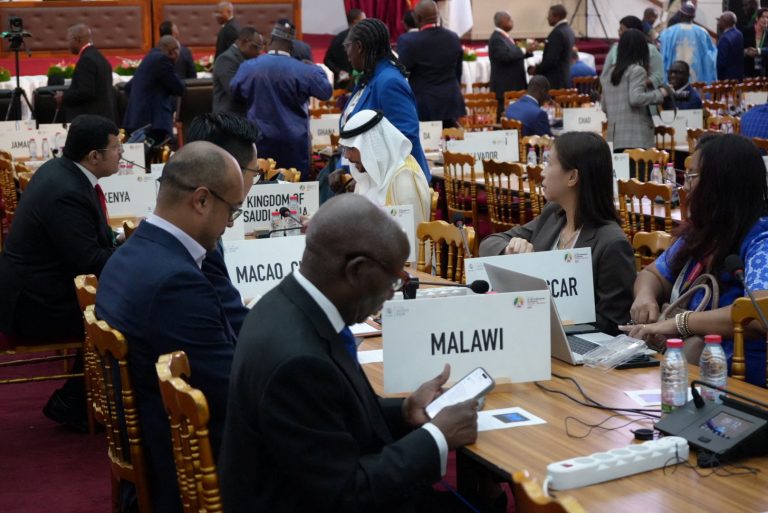
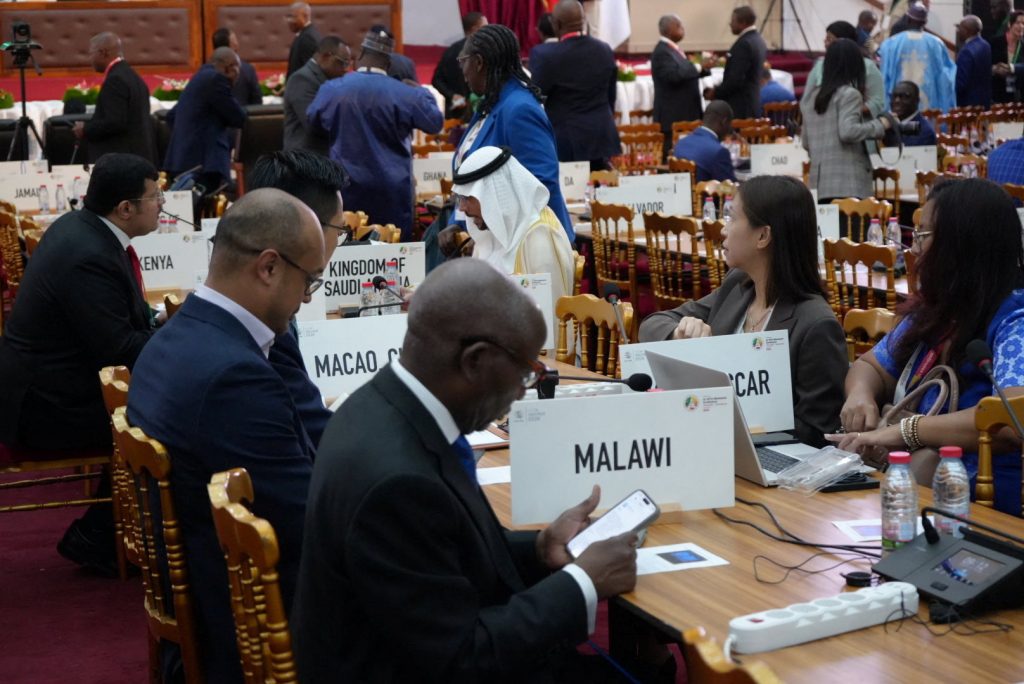
Speaking at the opening of the WTO’s 14th Ministerial Conference (MC14) in Yaoundé, Cameroon, Director-General Ngozi Okonjo-Iweala said the multilateral framework that once underpinned global trade can no longer function as it did in the past.
“The world order and multilateral system we used to know has irrevocably changed. We will not get it back,” she told delegates. “We must look to the future.”
Her remarks come at a pivotal moment for the WTO, as rising geopolitical tensions, unilateral trade actions, and prolonged institutional deadlock threaten to undermine the organisation’s relevance.
System Under Strain
At the centre of the crisis is the continued paralysis of the WTO’s dispute settlement system, once considered the backbone of global trade enforcement. Without a fully functioning mechanism to resolve disputes, countries face fewer consequences for breaching trade rules, eroding trust in the system.
Compounding the issue is the organisation’s consensus-based decision-making model, which requires agreement from all 166 member states. While designed to ensure fairness, the approach has increasingly led to gridlock, preventing meaningful reform in a more complex and divided global economy.
Okonjo-Iweala also highlighted persistent concerns over transparency, particularly around subsidies and state support. A lack of clear disclosure, she warned, fuels suspicion among members and deepens divisions, creating a cycle that stalls negotiations.
Calls for Flexible Approaches
In response, some delegates are advocating for more flexible mechanisms, including allowing smaller groups of willing countries to move forward with agreements without requiring full consensus. Proponents argue this could break the current impasse and enable progress on key issues.
However, such proposals also raise concerns about fragmenting the system further, potentially sidelining smaller or less influential economies.
Geopolitical Divisions Persist
The conference is unfolding against a backdrop of heightened geopolitical tensions and years of stalled trade negotiations. Divisions among major economic powers remain pronounced.
The United States has expressed support for reform in principle but has resisted committing to a detailed roadmap. In contrast, the European Union, the United Kingdom, and China are pushing for a more structured and comprehensive reform agenda.
Diplomats warn that without tangible outcomes, the WTO risks losing both credibility and influence.
Swiss Ambassador Erwin Bollinger cautioned ahead of the meeting that failure to deliver concrete results could diminish the organisation’s attractiveness. UK Trade Minister Chris Bryant echoed those concerns, warning of a potential “disorderly collapse” that could prompt countries to establish alternative trade frameworks.
Digital Trade Dispute
One of the most contentious issues at the conference is the future of e-commerce rules. The United States is advocating for a permanent ban on customs duties for cross-border digital trade, arguing it supports innovation and global growth.
India, however, is expected to oppose the move, maintaining that developing nations should retain the right to impose such duties to protect domestic industries and generate revenue.
The disagreement underscores broader tensions between advanced and developing economies over how the digital economy should be governed.
What Is at Stake
The outcome of the Yaoundé meeting could prove decisive for the future of global trade. Failure to agree on a reform roadmap risks accelerating a shift away from a unified, rules-based system toward a more fragmented landscape defined by regional blocs and bilateral agreements.
Such a shift could increase costs for businesses, disrupt supply chains, and ultimately lead to higher prices for consumers worldwide.
For now, the WTO faces a critical test: adapt to a rapidly changing global environment or risk being left behind.
Based on reporting by Olivia Le Poidevin for Reuters. Additional analysis by The Credibility News.