The government of Mali has formally endorsed Morocco’s autonomy plan for Western Sahara, marking a significant diplomatic shift in one of Africa’s longest‑running territorial disputes.
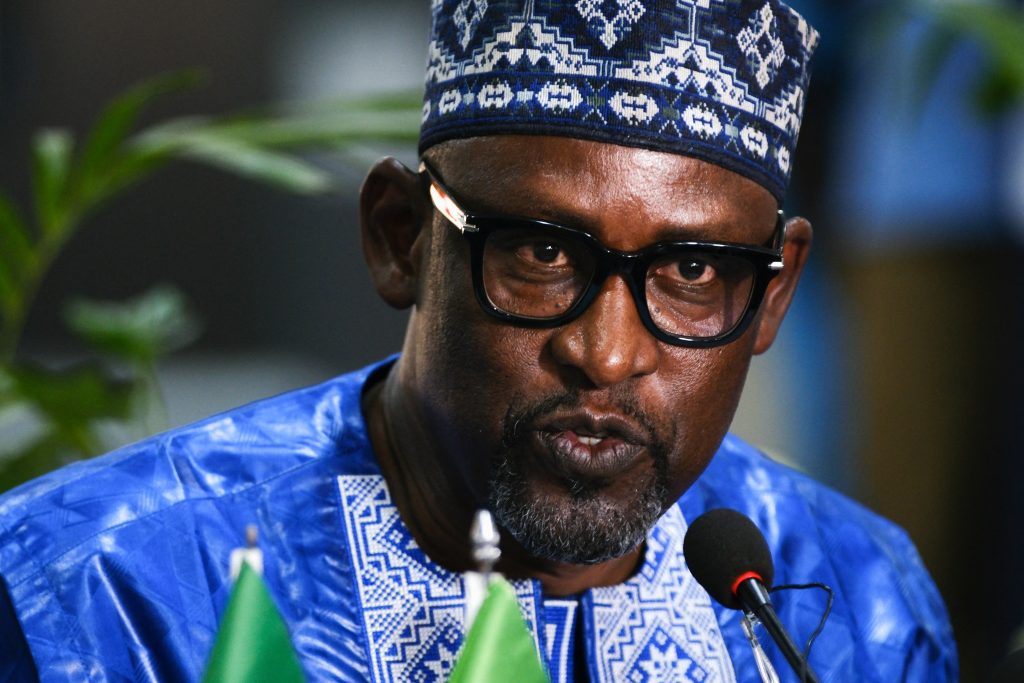
Mali’s Foreign Minister, Abdoulaye Diop, announced on Friday that Bamako now supports Rabat’s proposal as the basis for resolving the decades‑old conflict. The move positions Mali among a growing number of African nations aligning with Morocco’s vision for the disputed territory.
Morocco’s autonomy plan proposes the creation of a locally elected government in Western Sahara, with legislative, executive, and judicial powers exercised by residents of the region. However, under the arrangement, Morocco would retain control over key sovereign matters including defence, foreign affairs, and religious authority. The proposal has been consistently promoted by Rabat as a realistic and lasting solution to the conflict.
The plan stands in contrast to the position of the Polisario Front, which continues to push for a referendum that would include the option of full independence. The group, backed by Algeria, seeks the establishment of an independent state known as the Sahrawi Republic.
In a further shift, Diop confirmed that Mali has withdrawn its recognition of the Sahrawi Republic, signalling a complete diplomatic realignment on the issue. The decision underscores Bamako’s deepening ties with Morocco and reflects a broader regional trend.
Mali’s endorsement follows similar support expressed by other African countries. Kenya and Ghana backed Morocco’s autonomy plan in 2025, while Burkina Faso is among more than two dozen — mostly African — states that have established consulates in Western Sahara, an act widely interpreted as recognition of Morocco’s sovereignty over the territory.
Western Sahara, a vast desert region roughly the size of Britain, has remained disputed since Spain withdrew from the territory in 1975. Since then, Morocco has controlled most of the territory, while the Polisario Front has continued its campaign for independence, resulting in a protracted geopolitical standoff.
The latest development comes as the United Nations Security Council renewed calls in November for all parties to resume negotiations, urging a political solution based on Morocco’s autonomy initiative.
Mali’s decision is also unfolding against a backdrop of rising tensions with Algeria. Relations between both countries have deteriorated following a drone incident along their shared border near Tinzaouaten in Mali’s Kidal region. Bamako accused Algiers of deliberately shooting down a Malian drone, describing the action as hostile and a violation of international norms regarding the use of force.
Algeria, however, maintained that its forces intercepted and destroyed an armed surveillance drone that had violated its airspace, further deepening diplomatic friction between the two nations.
In a related development, Mali, alongside Niger and Burkina Faso, has expressed support for a Moroccan initiative aimed at granting the landlocked Sahel nations access to the Atlantic Ocean through Moroccan ports. While the proposal has been welcomed politically, details regarding its implementation remain unclear.
Mali’s backing of Morocco’s autonomy plan marks a notable shift in regional diplomacy, potentially reshaping alliances and influencing the future trajectory of the Western Sahara conflict.
Reporting by Mali newsroom. Writing by Clement Bonnerot. Editing by Robbie Corey‑Boulet and Alex Richardson. Additional analysis by Credibility News.