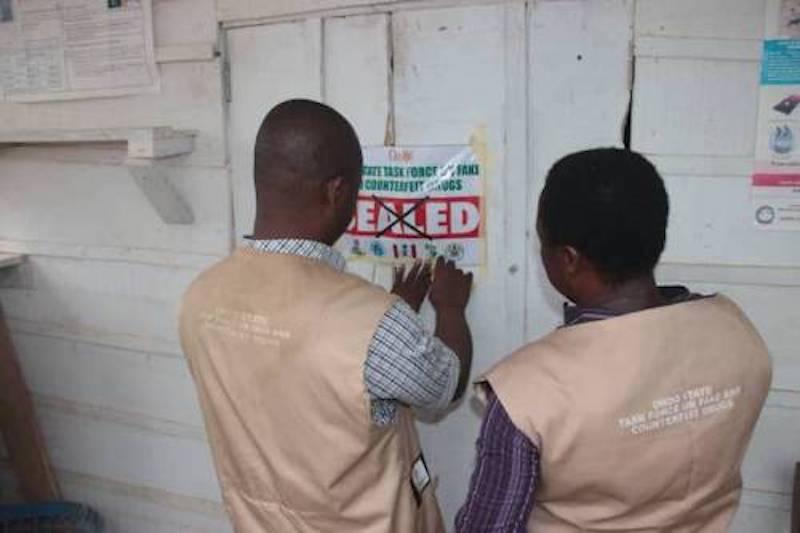
Kaduna, Nigeria — The Pharmacy Council of Nigeria (PCN) has sealed 598 pharmacies and patent medicine shops in Kaduna State during a four-day enforcement operation aimed at improving drug safety and regulatory compliance.
The National Head of Enforcement, Suleiman S. Chiroma, disclosed this while addressing journalists in Kaduna on Friday.
He said the operation inspected 828 premises across several local government areas, including Kaduna North, Kaduna South, Zaria, Sabon Gari, Giwa, and Igabi.
Of the facilities inspected, 598 were sealed. These included:
- 68 registered pharmacies
- 456 patent medicine stores
- 74 unlicensed outlets operating illegally
Chiroma explained that the sealed premises were found violating pharmaceutical regulations, including the sale of prescription-only medicines without authorisation, poor storage conditions, operating without valid licences, and exceeding their approved scope of practice by offering unauthorised clinical services.
The enforcement team also arrested two individuals for serious infractions, while others received compliance directives to rectify identified deficiencies.
Despite the large number of closures, the PCN noted some positive trends in compliance. Only 9 per cent of inspected premises were operating illegally, while 28 per cent fully met required standards. Additionally, 45 per cent of registered pharmacies and 28 per cent of patent medicine vendors were found to be in good standing.
Chiroma stated that the exercise was conducted in line with the PCN Act and the National Drug Distribution Guidelines, which seek to ensure medicines are handled and distributed safely through approved channels.
He added that the operation supports broader federal government reforms to guarantee access to safe and quality medicines for Nigerians.
The PCN reiterated its commitment to sustained nationwide enforcement to eliminate substandard and falsified drugs. It warned that erring operators would continue to face sanctions.
The council urged members of the public to patronise only licensed drug outlets that display valid certification, emphasising that public cooperation is essential to sanitising the pharmaceutical sector and protecting public health.