TEHRAN/WASHINGTON: Iran has signalled the reopening of the Strait of Hormuz to commercial shipping following a temporary ceasefire in Lebanon, while US President Donald Trump expressed optimism that a broader agreement to end the conflict could be reached soon.
Iranian Foreign Minister Abbas Araqchi announced that the strategic waterway would remain open for the duration of the 10-day US-brokered truce between Israel and Hezbollah. The agreement aims to halt clashes in Lebanon involving Israeli forces and the Iran-backed group.
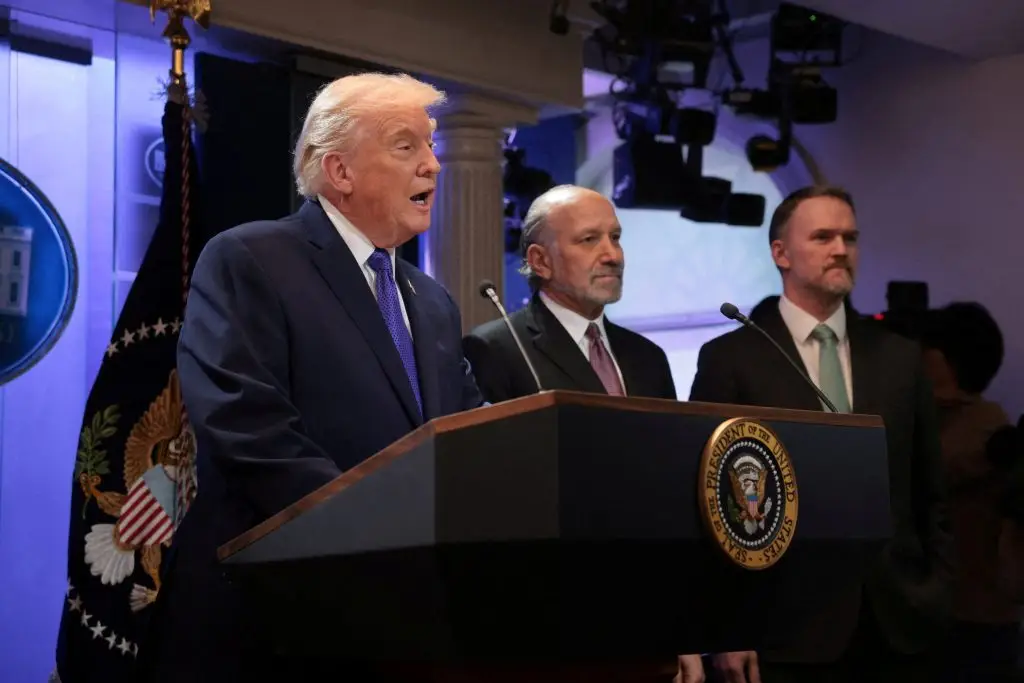
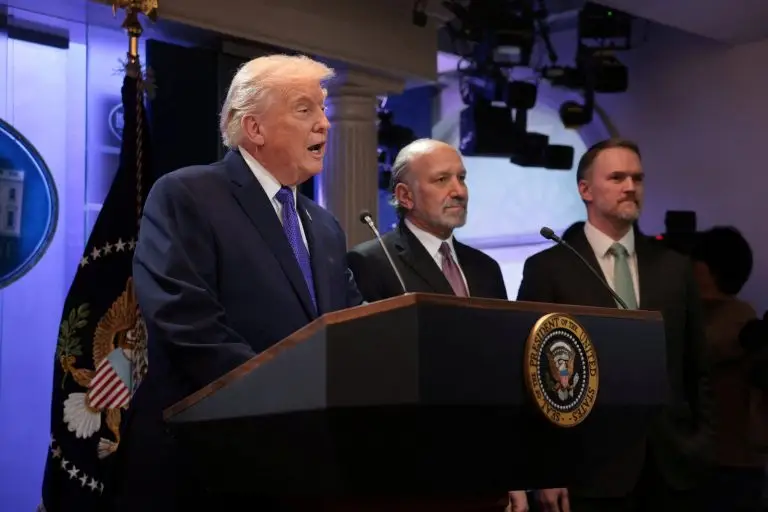
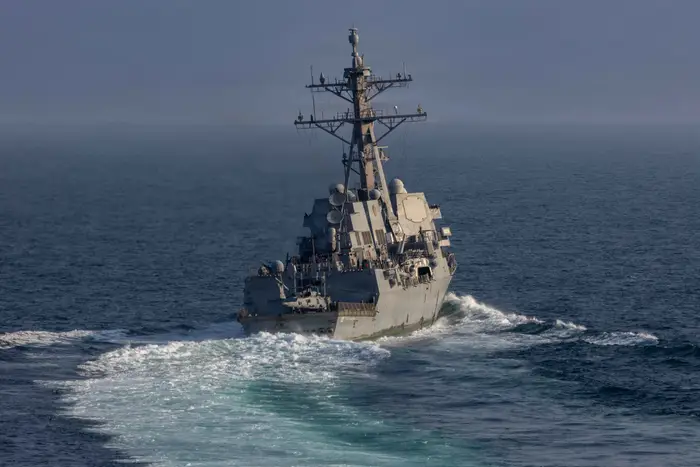
President Trump quickly confirmed the announcement, stating that the passage was “fully open and ready.” However, significant uncertainty remains over the practical resumption of normal operations. The US has maintained its naval blockade on vessels heading to Iranian ports, with restrictions expected to stay in place until a final agreement with Tehran is concluded.
Iran responded by warning that it would take reciprocal action if the blockade continues. Shipping data showed around 20 vessels, including tankers and cargo ships, moving toward the strait, though it was unclear whether they would pass freely. Concerns also persist over potential naval mines, with the US Navy advising caution.
Another major sticking point is Iran’s nuclear programme. President Trump indicated that the US intends to remove Iran’s enriched uranium, while Tehran has firmly rejected any transfer of its nuclear materials abroad.
An Iranian official said no formal deal has yet been reached and further negotiations are required. However, Tehran hopes a preliminary agreement could be secured soon, potentially extending the ceasefire and allowing more time to discuss sanctions relief and compensation for war damages.
The conflict, which escalated after US-Israeli strikes on Iran in late February, severely disrupted global energy flows. The Strait of Hormuz, through which about 20 per cent of the world’s oil and gas shipments normally pass, had been largely closed, raising fears of a severe energy crisis.
Following news of the possible reopening, oil prices dropped sharply while global stock markets surged.
Shipping firms have cautiously welcomed the development but said they need clearer security assurances before resuming full operations. Iran has indicated that vessels may only pass under coordination with its Revolutionary Guard.
More than a dozen countries have expressed willingness to join a potential international mission to safeguard maritime traffic in the region.
On the diplomatic front, President Trump suggested further talks could take place soon, with Pakistani mediators indicating that initial agreements might be reached shortly, possibly leading to a full deal within two months.
Key unresolved issues include the duration of any limits on Iran’s nuclear activities and the lifting of international sanctions. While both sides appear open to compromise, significant gaps remain.
Despite cautious optimism from Washington, Iranian officials and religious leaders have struck a more defiant tone, insisting that negotiations will not proceed under pressure.
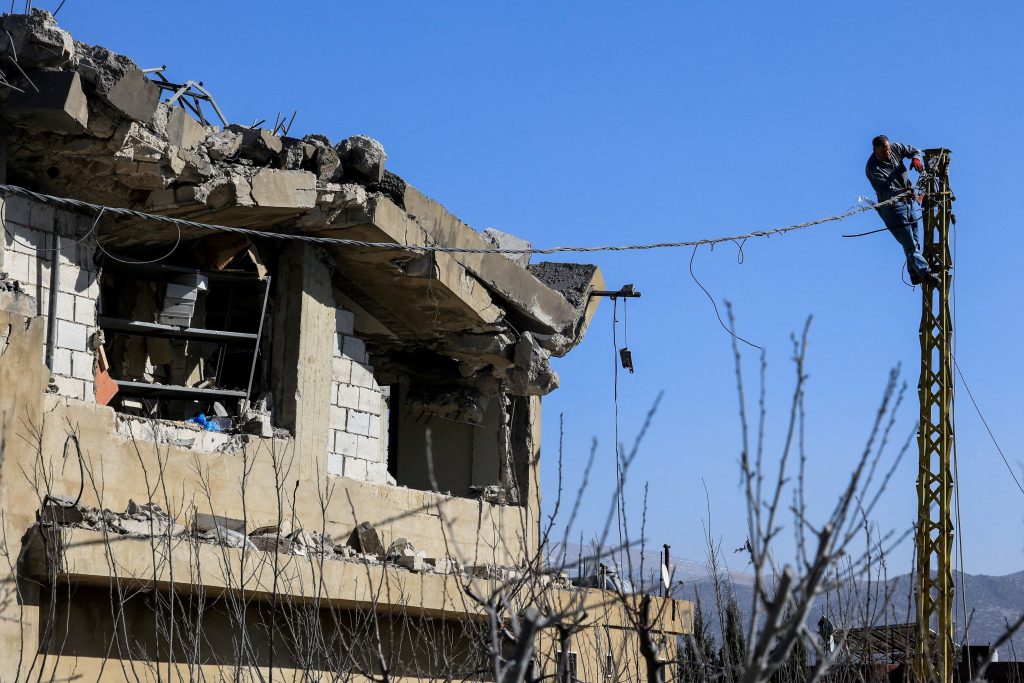
In Lebanon, the ceasefire has largely held, although there were reports of minor violations. The recent surge in violence has caused heavy casualties, with thousands reported dead since fighting intensified earlier this year.
The situation remains tense, with fragile progress on both the military and diplomatic fronts.
Source: Reuters