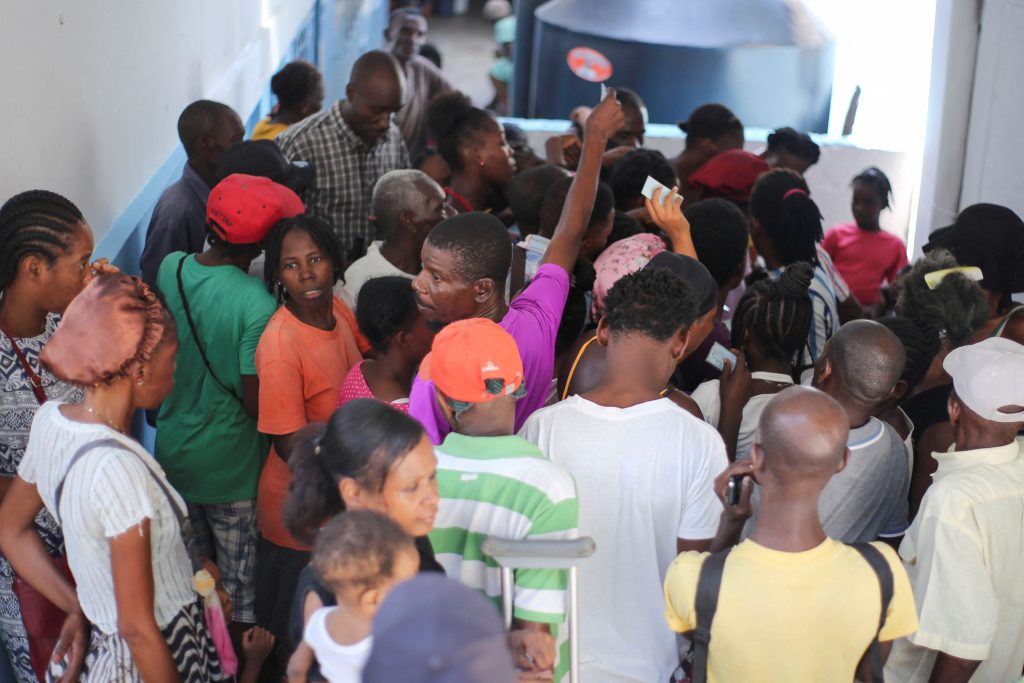
PORT-AU-PRINCE, HAITI — A severe humanitarian crisis continues to grip Haiti, with nearly 6 million people — more than half the population — projected to experience acute food insecurity in the coming months, according to the latest Integrated Food Security Phase Classification (IPC) assessment.
The new IPC report reveals that approximately 5.8 million Haitians are currently facing crisis levels or worse of hunger (IPC Phase 3 or above) between March and June 2026. Of these, over 1.8 million people are in the emergency phase (IPC Phase 4), struggling with large food consumption gaps, high levels of acute malnutrition, and exhaustion of livelihood assets.
This situation, while showing a slight improvement from earlier projections of 5.91 million people in acute food insecurity, remains extremely fragile. Aid agencies warn that recent modest gains could be rapidly reversed without sustained international support.
The crisis is primarily driven by escalating gang violence, which has expanded across several regions, particularly in the capital Port-au-Prince. Armed groups now control large parts of the city and surrounding areas, disrupting markets, limiting access to farmland, and severely crippling economic activity. The violence has also forced more than 1.4 million people to flee their homes, placing enormous additional pressure on already overstretched food systems and humanitarian resources.
The World Food Programme (WFP) has credited ongoing food assistance with helping around 200,000 people move out of emergency hunger levels since last year. However, WFP Haiti Country Director Wanja Kaaria stressed the urgent need for continued action.
“Fighting hunger is essential to restoring stability in Haiti. We cannot build peace if families cannot feed their children,” said Kaaria.
Humanitarian organisations also highlighted external pressures exacerbating the situation, including rising global fuel prices that have increased transportation and agricultural costs in the country.
Despite some positive factors — such as easing inflation and improved harvests in certain regions — the overall outlook remains dire. Aid groups emphasise that without increased funding, improved security conditions, and better access for humanitarian operations, the hunger crisis could deepen significantly, threatening millions already living on the brink.
The IPC analysis underscores Haiti’s position as one of the most severe humanitarian emergencies in the Western Hemisphere, where chronic instability, displacement, and economic collapse continue to undermine food security for the majority of the population.
International donors and partners are being urged to scale up support to protect fragile gains and prevent further deterioration during the ongoing lean season.