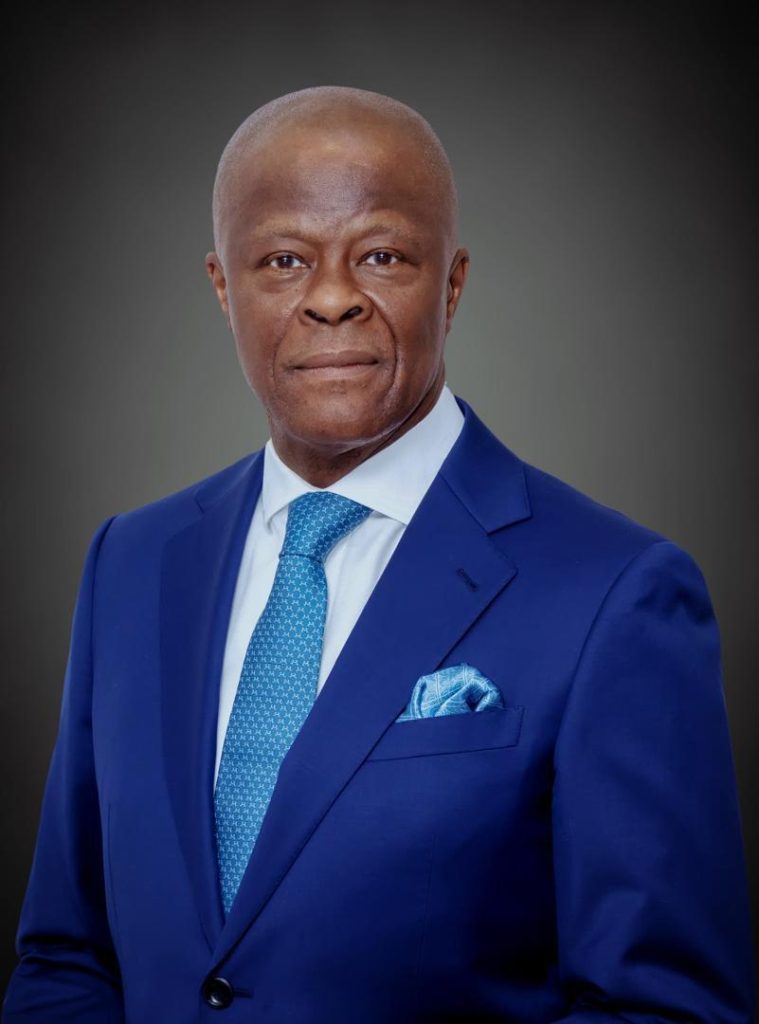
NIGERIA- President Bola Tinubu has approved a cabinet change that brings Taiwo Oyedele to the forefront of Nigeria’s economic management, appointing him as the new Minister of Finance and Coordinating Minister of the Economy amid mounting pressure over recent fiscal reforms.
The decision, announced in a statement by the Office of the Secretary to the Government of the Federation, signals the exit of Wale Edun from the Federal Executive Council. Edun’s departure comes shortly after his 70th birthday, marking the end of his tenure as one of the administration’s key economic figures.
According to the statement signed by George Akume, the reshuffle is part of efforts to reposition the government for improved performance, particularly in the management of the economy. Oyedele, who previously served as Minister of State for Finance, has now been elevated to take charge of the country’s fiscal direction at a critical moment.
The changes also extend to the Ministry of Housing and Urban Development, where Ahmed Musa Dangiwa is stepping down. He is to be replaced by Muttaqha Rabe Darma, who has been named as ministerial nominee. Both outgoing ministers have been directed to complete their handover processes before April 23, ensuring a smooth transition within the cabinet.
While the presidency has framed the reshuffle as a routine adjustment aimed at strengthening governance and improving policy coordination, analysts say the timing reflects deeper concerns within government circles, especially following the controversy surrounding Nigeria’s newly introduced tax law.
The tax reform, which was intended to expand the country’s revenue base and reduce reliance on oil income, has instead sparked debate across political and economic circles. Businesses have raised concerns about compliance challenges, while lawmakers have questioned aspects of the framework, describing some provisions as unclear and potentially harmful to small enterprises.
The situation intensified when officials within the finance ministry acknowledged that certain elements of the tax law contained errors. This admission prompted strong reactions from a National Assembly committee reviewing the policy, with members insisting that corrections must be made before full implementation.
With Oyedele now in charge, attention has shifted to how quickly and effectively the government can address these issues. Having played a central role in shaping tax policy prior to his promotion, the new finance minister is widely expected to lead efforts to revise the framework and rebuild confidence among stakeholders.
Observers note that the appointment places Oyedele in a challenging position. On one hand, his expertise in taxation and fiscal reform makes him well suited to fix the problems identified. On the other, his association with the policy means he must also respond to criticism and demonstrate that lessons have been learned.
Economic experts argue that resolving the tax controversy is essential for Nigeria’s broader reform agenda. The country continues to face economic pressures, including rising living costs, currency instability, and the need to increase government revenue without placing excessive burden on citizens.
Under Edun’s leadership, the administration introduced sweeping reforms that reshaped the economic landscape, including the removal of fuel subsidies and adjustments to foreign exchange policies. While these measures were aimed at long-term stability, they also triggered short-term hardship, increasing public sensitivity to any new economic policy.
In this context, the backlash against the tax law highlights the delicate balance the government must maintain between reform and public acceptance. Lawmakers have called for greater consultation with stakeholders, emphasising the need for policies that are both effective and inclusive.
For the Tinubu administration, the reshuffle appears to be both a response to immediate challenges and a signal of intent. By placing Oyedele in a more powerful role, the president may be seeking to consolidate control over economic policy and ensure that reforms are better coordinated moving forward.
In his remarks, President Tinubu thanked the outgoing ministers for their contributions and reiterated his commitment to continuous improvement within his cabinet. He stressed that the reshuffle is part of an ongoing effort to deliver on the promises of his Renewed Hope Agenda.
As the transition takes effect, all eyes will be on the new finance minister’s first moves, particularly regarding the contentious tax law. Stakeholders are expecting swift action, including possible amendments, clearer guidelines, and renewed engagement with the private sector.
The coming period is likely to test the administration’s ability to respond to criticism while maintaining momentum in its reform programme. For many Nigerians, the outcome will not only shape perceptions of the government’s economic competence but also determine the real impact of its policies on everyday life.