In recent years, Nigeria’s social media space has become a powerful platform for storytelling, activism, and fundraising. From health challenges to personal tragedies, many individuals have turned to the internet to share their experiences and seek support. While most of these stories are genuine and have inspired compassion and mobilised resources, a troubling trend has emerged: the deliberate fabrication of narratives to exploit public sympathy.
This growing phenomenon involves individuals concocting false claims of terminal illness, assault, or hardship — often supported by emotional videos or doctored evidence. Such stories spread rapidly due to the viral nature of social media, frequently attracting donations and widespread advocacy before the truth emerges. The consequences are damaging: they erode trust in genuine victims, undermine legitimate online fundraising, and weaken public confidence in digital activism.
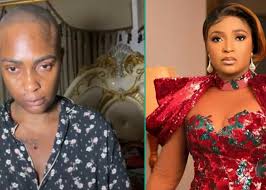
Blessing Okoro, popularly known as Blessing CEO, is at the centre of fresh controversy after allegedly faking a stage 4 breast cancer diagnosis to solicit funds online. The self-styled relationship therapist shocked her followers when she appeared with a shaved head, claiming she was battling advanced breast cancer. She publicly appealed for financial assistance, with reports indicating she raised tens of millions of naira — and in some petitions, claims of over ₦300 million — from sympathetic Nigerians.
Investigations later revealed that the medical report she circulated did not belong to her. The document was traced to Deborah Mbara, a makeup artist and breast cancer survivor based in Asaba, Delta State. Mbara disclosed that Blessing CEO, who had previously been her client, gained her trust by requesting the report under the pretext of comparing it with her own. Instead, the report was allegedly altered and shared online as proof of Blessing’s own stage 4 cancer diagnosis.
The Nigerian Medical Association (Delta State chapter) confirmed the forgery, while the Nigerian Cancer Society condemned the act, warning that such deception undermines genuine cancer advocacy and erodes public trust in real patients. The scandal has triggered widespread outrage on social media, with many Nigerians calling for Blessing CEO’s arrest and prosecution on charges of fraud, obtaining money by false pretences, identity theft, and exploitation of public sympathy. Petitions have already been sent to the EFCC demanding a thorough investigation.
Blessing CEO’s case mirrors another recent incident involving Mirabel (Abigail Nsuka), a TikTok user whose false rape allegation briefly shook the nation. Mirabel’s emotional video claiming she had been raped in her apartment went viral, sparking widespread empathy and online activism. She later confessed that the story was fabricated, leaving many Nigerians disillusioned and angry. The case highlighted how easily false narratives can manipulate public sentiment and damage trust in genuine victims of sexual violence.
Similar cases of fabricated hardship stories, false accusations, and doctored evidence have surfaced in recent times. These incidents point to a growing crisis of credibility on Nigerian social media, where emotional manipulation is increasingly used to whip up sympathy and, in some cases, secure financial gain.
Many Nigerians now believe strong legal action is essential to deter such behaviour. They argue that prosecuting high-profile offenders will restore accountability, protect genuine victims, and safeguard the integrity of public discourse and online fundraising.
The urgent call is for stricter regulation of digital fundraising, swift investigation by law enforcement agencies like the EFCC and police, and greater public vigilance. Only through consistent accountability can truth prevail in Nigeria’s increasingly influential digital space