Life Gradually Returns to Odonget After 60 Days of Occupation
Residents of Odonget community in Obubra Local Government Area of Cross River State have accused soldiers of destroying their homes, killing community members, and displacing thousands during a nearly two-month military operation that began on March 12, 2026.
No fewer than 4,000 people, including natives and non-natives, were affected by the invasion. More than half are still unable to return to their homes even after soldiers from the 13 Brigade and 245 Battalion, Edor Barracks, withdrew from the community.
Background
Soldiers from the 13 Brigade and 245 Battalion reportedly invaded Odonget following reports that local youths demanded ₦1,000 from illegal miners before allowing them to pass with their minerals. The miners allegedly refused to pay, contacted their connections in the military, and claimed they were being harassed and blocked by the youths.
In response, troops from Calabar and Ikom were quickly mobilised. They deployed three Armoured Personnel Carriers (APCs) along the Calabar-Ikom federal highway and sent over 500 soldiers into the community, which is accessible via a 15-minute drive through rough terrain.
According to locals, the soldiers imposed a dawn-to-dusk curfew, turning the once-bustling village into a ghost town.
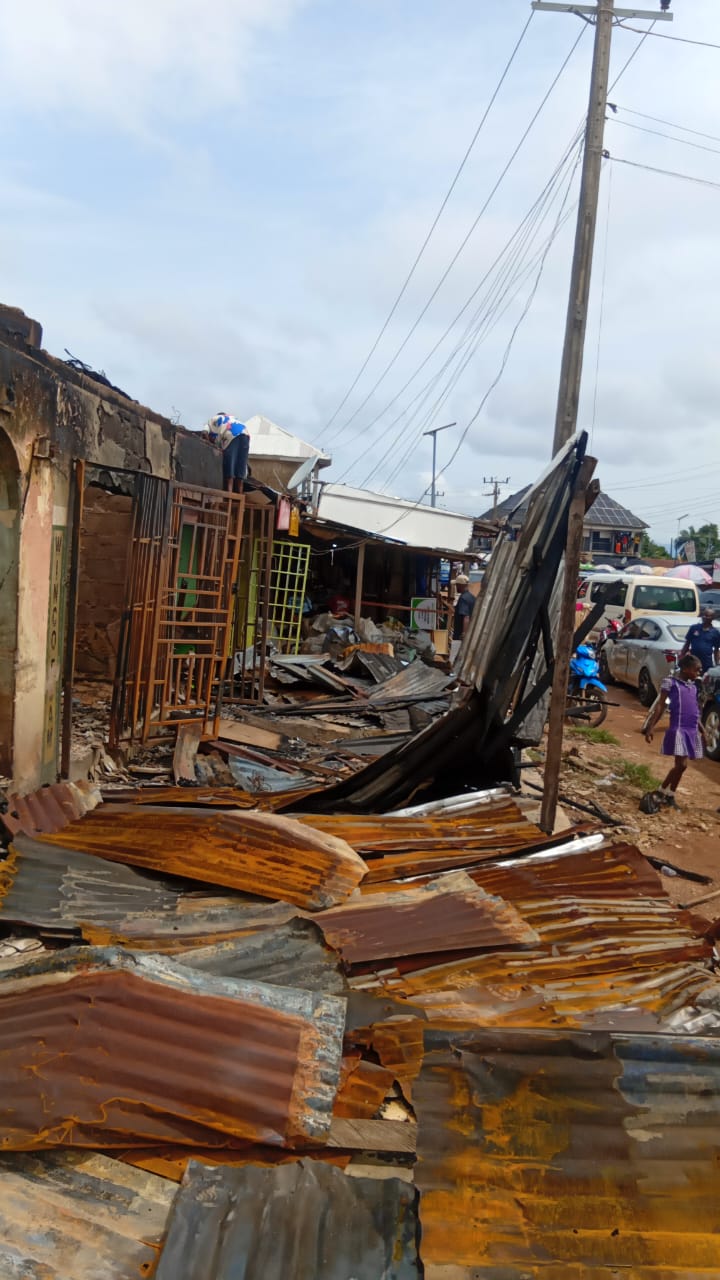
“No fewer than 50 homes, including modern buildings, ancestral shrines, community halls, markets, and stalls, were set ablaze upon the soldiers’ arrival,” a youth leader, Amos Agim, claimed.
Even after the troops withdrew, only a few residents have mustered the courage to return. Many young men were allegedly killed during the operation, forcing survivors to flee to neighbouring Ochon, Itabang, and other communities. Corpses reportedly littered the area as relatives who could perform burials had also fled.
The natives have accused the soldiers of rape, extrajudicial killings, and arson.
Calls for Compensation
Public affairs commentator Ebube Bruno questioned the deployment of the military in what he described as a purely civil matter.
“While the military’s primary role is to defend the nation’s territorial integrity, its involvement in this case has left the people in penury and homelessness,” he said.
Many residents are now struggling to rebuild their lives. Ovat Sunday, a 35-year-old relative of the late Dr Awubi Richard, whose house was completely razed, lamented:
“We are calling on the army to pay compensation. We did not kill any soldier. Those responsible are not even from our community. Why transfer their aggression to us?”
Bishop Agbor Awubi, a former council chairman and leader of the Brotherhood of the Cross and Star, thanked God that his church was spared after the commander reportedly ordered troops not to burn it.
Gradual Return to Normalcy
A recent visit to the community showed signs of recovery, with women processing cassava and frying garri – a staple food. One woman, Helena Agbor, a mother of five, expressed deep anger:
“We saw soldiers coming in large numbers, heavily armed and aggressive. They shot at people and beat many women. We fled with only the clothes on our backs. We hid in the bushes for nearly a month, sipping garri and drinking muddy water.”
She added that many families are now squatting in undamaged houses or sleeping in the open.
Samuel Egwu, a 72-year-old man who could not flee, recounted how soldiers dragged him out of his house and beat him before sparing his mud building.
The palace of the traditional ruler, His Highness Richard Ayang, was also burnt. The monarch had fled into the bush with other stakeholders.
In one particularly tragic case, the wife of physically challenged resident Ilem Irom fainted and died upon seeing their burnt house. Overwhelmed by grief, Ilem has been unable to bury her.
Army Denies Allegations
The Public Relations Officer of the 13 Brigade, Major Yemi Sokoya, rejected the accusations, challenging the community to provide evidence.
“When we responded to distress calls, we were ambushed by local youths who killed one of our soldiers,” he said. “During our cordon-and-search operation, we recovered arms and ammunition from the community.”
Sokoya suggested that rival communities, particularly Alesi – with whom Odonget has had long-standing disputes – may have taken advantage of the chaos to burn houses.
He acknowledged that four civilians and one soldier were killed during the operation.
The Chairman of Obubra LGA, Kingsley Arikpo, who visited the area alongside Major General Obono Ubi, Special Adviser on State Security, pledged that the government would work to restore peace and alleviate the suffering of affected residents.
Despite the Army’s denial, questions remain about the necessity of deploying troops to handle a civil dispute and whether the victims will receive compensation.