NIGERIA — As Nigeria prepares for the 2027 general elections, fresh concerns have emerged over the integrity of the country’s electoral framework following strong warnings from former electoral commissioner Mike Igini.
Speaking during a televised political programme on Arise News monitored by our editor, Igini alleged that certain provisions in the newly amended Electoral Act 2026 could undermine the credibility of future elections. He described parts of the law as “dangerous” and susceptible to manipulation.
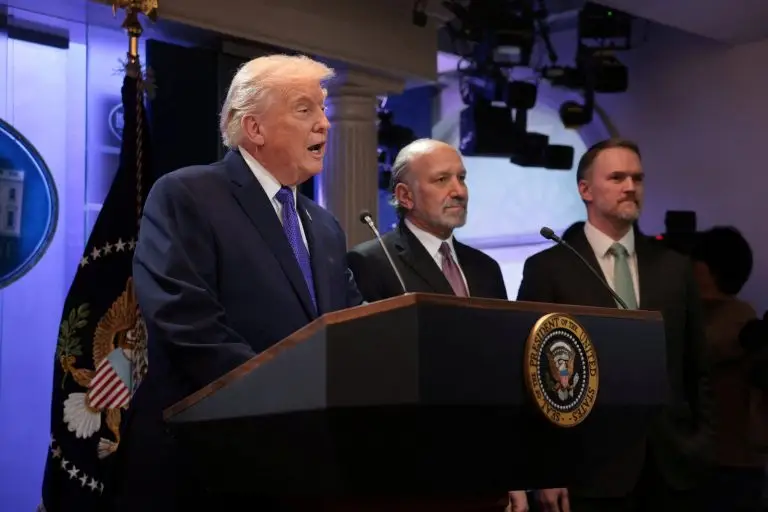
His remarks come amid ongoing political tensions and reforms introduced under President Bola Ahmed Tinubu, whose administration oversaw the latest amendments to the electoral framework.
Concerns Over New Legal Provisions
Igini highlighted specific sections of the Electoral Act — particularly Sections 63, 137, and 138 — which he claims create loopholes that could enable electoral malpractice.
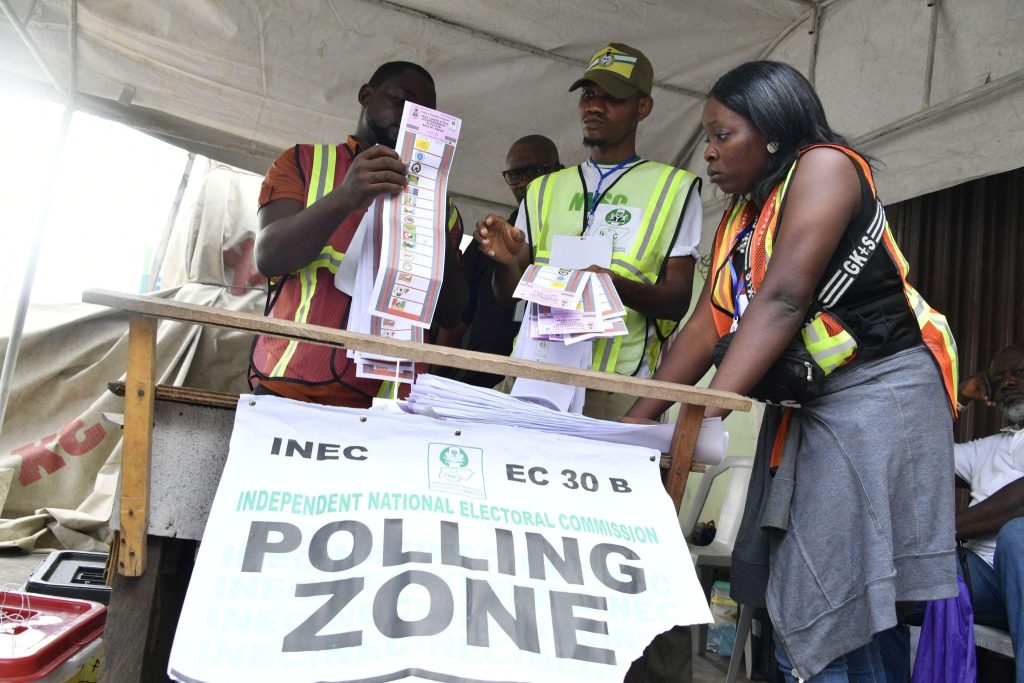
According to him, Section 63 allows presiding officers to accept ballot papers even if they lack official security markings, provided the officer is “satisfied” with their authenticity.
“This provision opens the door for ballot stuffing,” Igini warned. “Politicians could print unauthorised ballot papers that may still be counted.”
He further criticised Section 138, which limits the ability to challenge elections based on violations of electoral guidelines, and Section 137, which removes the requirement for key electoral officers to testify in election tribunals.
“These provisions collectively weaken accountability,” he said, adding that they could shield electoral misconduct from proper scrutiny.
Judiciary Under Pressure
Igini also raised concerns about the increasing role of the judiciary in determining electoral outcomes, warning that courts are being drawn into political disputes rather than strictly legal ones.
Referencing global democratic standards, he argued that a strong and independent judiciary is essential for democratic survival. However, he cautioned that excessive political interference could compromise judicial integrity.
“When courts are forced to answer political questions instead of legal ones, democracy is at risk,” he said.
Call for Urgent Reforms
The former commissioner urged the National Assembly to urgently amend the contentious sections before the 2027 elections, stressing that failure to act could have serious consequences.
“If these provisions are not repealed, the integrity of the 2027 elections will be in flames,” he stated.
He emphasised that credible elections depend not only on laws but also on the integrity of those implementing them — particularly ad hoc staff and presiding officers who manage polling units.
Wider Political Tensions
The warnings come amid broader political developments, including party disputes, court rulings on leadership struggles, and allegations of partisanship within Nigeria’s electoral body, the Independent National Electoral Commission (INEC).
Recent reports also indicate rising litigation across major political parties ahead of 2027, increasing pressure on the judiciary to resolve pre-election conflicts.
Democracy at a Crossroads
Igini concluded with a stark warning about the future of Nigeria’s democracy, stressing the importance of opposition parties, judicial independence, and electoral integrity.
“Democracy cannot survive without the rule of law and a courageous judiciary,” he said. “The ballot must remain the true determinant of leadership — not the courtroom.”
As Nigeria moves closer to another election cycle, his remarks add to growing calls from legal experts, political stakeholders, and civil society groups for urgent electoral reforms to safeguard the democratic process.
Sources: Arise News