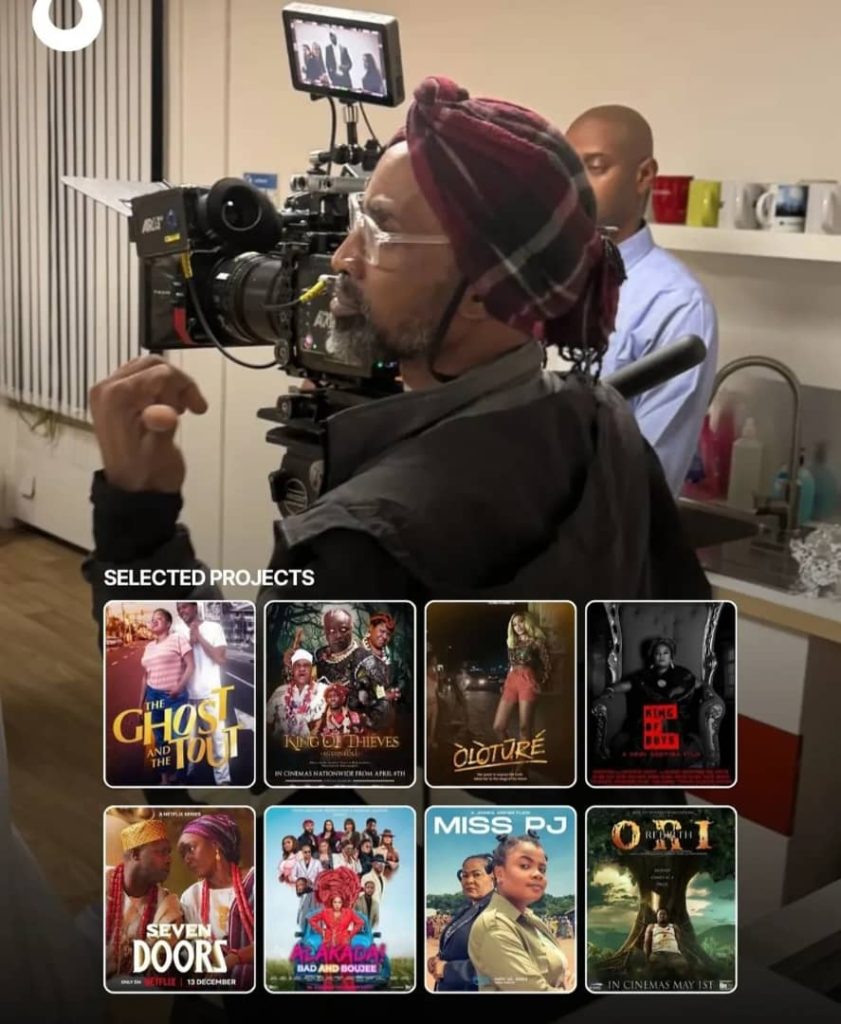
In the final instalment of this three-part exclusive interview, cinematographer Idowu Adedapo, popularly known as ID or Mister Views, confronts some of the most difficult and controversial issues facing Nigeria’s film industry.
He discusses the growing presence of women in technical and creative roles, sexual harassment and alleged “sex-for-roles” arrangements, the power imbalance between established professionals and newcomers, the pressures of money and success, and the lessons the next generation of Nigerian filmmakers needs to understand.
Kingsley Akam:
Do women have real opportunities to excel in cinematography and rise to the level of Director of Photography in Nollywood?
Idowu Adedapo:
Yes. We are now seeing female DPs, female sound professionals, female art directors and female directors, which is very, very good. I am happy about it. We have a number of women in the industry doing good work.
Kingsley Akam:
What would you say to young women who want to become DPs?
Idowu Adedapo:
Learn. Understand what you are doing. You need discipline, focus and knowledge. You need to choose the pathway you want to follow and remain focused.
Kingsley Akam:
The Nigerian entertainment industry is often accused of sexual harassment, abuse of power and “sex for roles”. Are these things really happening?
Idowu Adedapo:
I have not personally encountered it, but I have heard about it. I will use myself as an example. If I am a director, producer or DP and I make a proposition to you, you have your own mind to decide whether to say yes or no.
However, some women who come into the industry may already have made up their minds to accept such propositions. Some of them even see it as a normal thing.
Kingsley Akam:
What if the person says, “If you don’t give me your body, you have no role”?
Idowu Adedapo:
Then you move on. I would not be the one to block you. You can go out there and meet another director, another DP or another producer. If one person does not give you a job, that does not mean there is no road for you.
Kingsley Akam:
Don’t you think producers or directors who hold that power can pressure people into accepting?
Idowu Adedapo:
If somebody tells you, “If you don’t do this, you can’t play in this,” you can move on. Your time will come. Not everybody in the industry has to be that director or producer before they get to the top.
Kingsley Akam:
Are you saying every successful woman in the industry got there because of talent and hard work?
Idowu Adedapo:
Not all women get to the top in the Nigerian film industry because of that. I would not agree that all of them got there through sex. Not all of them.
Kingsley Akam:
Is “sex for roles” unique to Nollywood?
Idowu Adedapo:
Not really, and it is not just a Nollywood issue. It happens all over the world and in other industries too. What happens in your own country is simply what you are more familiar with because you are there.
Kingsley Akam:
What can younger filmmakers learn from you?
Idowu Adedapo:
First, learn. You need to understand what you are doing. Discipline yourself. Choose the pathway you want to follow and stay focused. Don’t just come into the industry because you see people making money.
Kingsley Akam:
Why is the money issue so important?
Idowu Adedapo:
Sometimes you can get paid well in a short time and become carried away by the money. You need to ask yourself: where am I going? What am I learning? If you don’t understand what you are doing, the money will not make you a better professional.
Kingsley Akam:
Outside filmmaking, if you were not doing film, what would you be doing?
Idowu Adedapo:
Right now, I would probably be a psychologist.
Kingsley Akam:
Are you thinking of going into politics in the future?
Idowu Adedapo:
I don’t think politics is my thing. I am too calm and too shy to be a politician. I don’t know how to convince people one-on-one. I only use my camera to convince.
Kingsley Akam:
What do you think the future of Nigerian filmmaking looks like?
Idowu Adedapo:
I believe we can do it. We have people who know what they are doing. We need support, resources and people who are willing to learn and move with the industry.
THE FINAL WORD
Across this three-part conversation, Adedapo’s message has remained consistent: learn the craft, remain disciplined, adapt to technological and industry changes, and do not allow immediate rewards to determine your professional future.
For him, the future of Nigerian filmmaking is promising. But talent alone is not enough. The industry needs resources, meaningful government support and professionals who are prepared to keep learning and adapting. Government, he argues, also has a role to play in creating an environment where filmmakers can access the funding, infrastructure and opportunities needed to develop and sustain their work.
His advice to the next generation is therefore straightforward: master the craft, remain focused and do not allow money or short-term opportunities to define your career. At the same time, the industry and government must do their part to create the conditions in which talent can thrive.