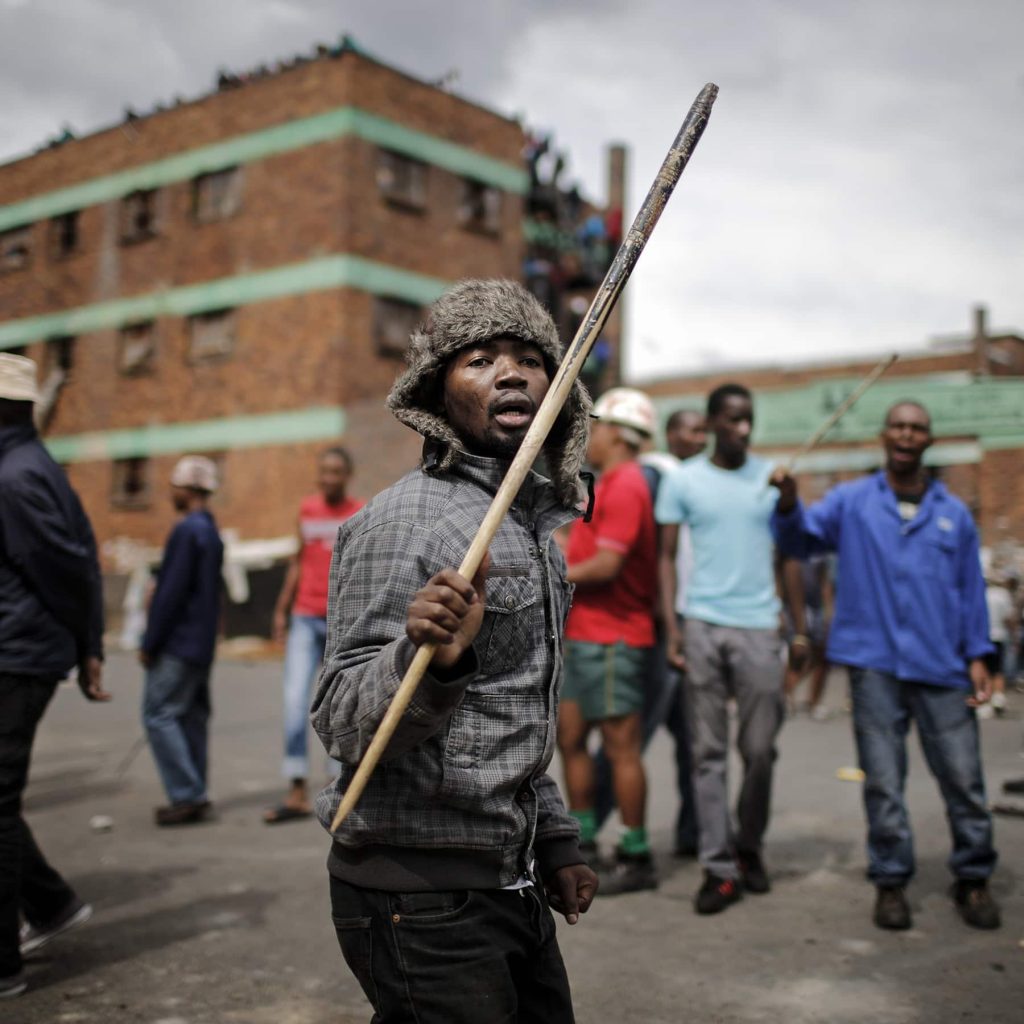
Tensions are escalating across South Africa as a wave of xenophobic protests spread through major cities, with demonstrators demanding that black foreign nationals — particularly migrants from other African countries — return to their homelands.
The unrest, which has been reported in key locations including Durban, Johannesburg, and East London, reflects growing frustration among some South Africans over unemployment, economic hardship, and pressure on public services.
In recent weeks, groups of protesters operating under banners such as “Concerned Citizens” and other grassroots movements have mobilised in large numbers, calling for the mass deportation of migrants. Their demands have been direct and forceful, with many insisting that foreigners must leave the country entirely. Protesters argue that the presence of migrants has worsened job scarcity and placed strain on essential services such as healthcare, housing, and education.
The demonstrations have been particularly visible in Durban, where hundreds of protesters marched through the streets, calling for stricter immigration laws and tighter border controls. Similar tensions have also been recorded in Johannesburg, South Africa’s economic hub, where both anti-immigrant protests and counter-demonstrations have taken place, highlighting divisions within society.
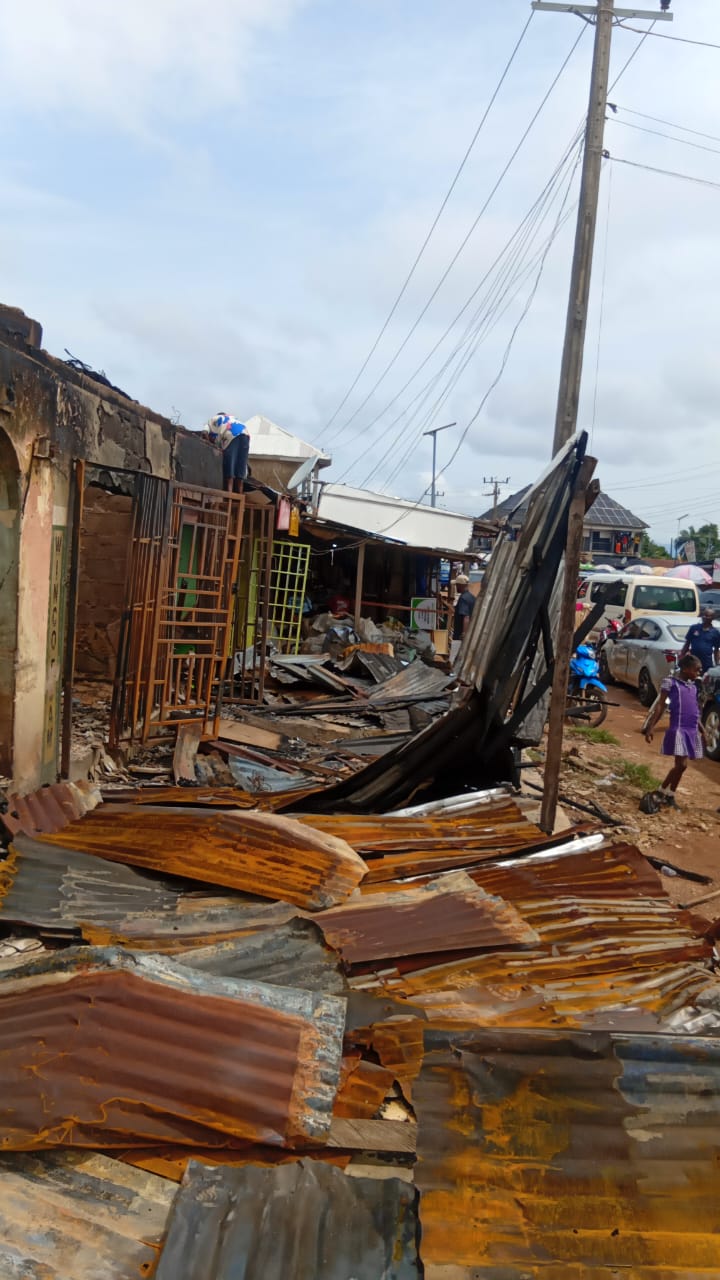
In East London, the situation has reportedly been more volatile, with incidents of unrest, looting, and clashes raising fears of a wider breakdown in order. These developments have heightened concerns that the protests could evolve into broader violence, reminiscent of past xenophobic attacks that have periodically shaken the country.
At the centre of the agitation are groups such as Operation Dudula, known for their strong anti-immigration stance. The group has been vocal in pushing for the removal of undocumented migrants and stricter enforcement of immigration policies. While supporters claim they are defending local jobs and communities, critics argue that such movements are fuelling xenophobia and unfairly blaming migrants for deeper economic challenges.
The situation is expected to escalate further, as protest organisers have announced plans for a nationwide shutdown in early May. The proposed action is intended to pressure the government into taking decisive steps on immigration, with calls for businesses to close and citizens to participate in coordinated demonstrations across the country. If carried out, the shutdown could significantly disrupt economic activities and heighten tensions nationwide.
The growing unrest has also sparked concern beyond South Africa’s borders. Neighbouring countries and foreign communities living in South Africa are closely monitoring the developments, with some governments advising their citizens to remain cautious. For many migrants, who rely heavily on small businesses and informal trade, the rising hostility has created an atmosphere of fear and uncertainty.
South African authorities are now under increasing pressure to respond effectively. While there are calls for stricter immigration enforcement, there is also a strong need to uphold human rights and prevent further violence. Striking a balance between these competing priorities remains a major challenge for the government.
South Africa has a long history of periodic xenophobic violence, often linked to high unemployment, inequality, and slow economic growth. Analysts warn that the current protests are symptoms of deeper structural problems that go beyond immigration. Without meaningful economic reforms and inclusive policies, tensions are likely to persist.
As the planned nationwide shutdown approaches, attention is focused on whether authorities can contain the unrest and prevent further escalation. For now, the protests serve as a stark reminder of the fragile social climate in Africa’s most industrialised economy, where economic pressures continue to fuel division and instability.