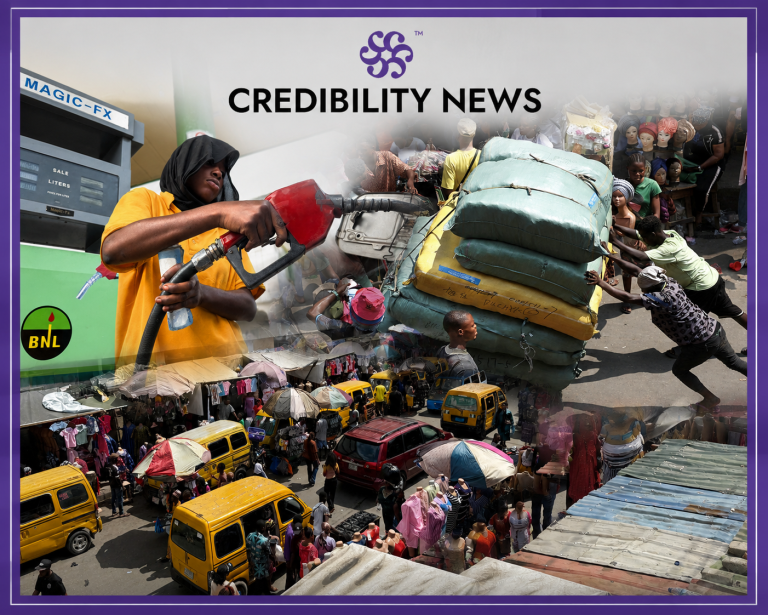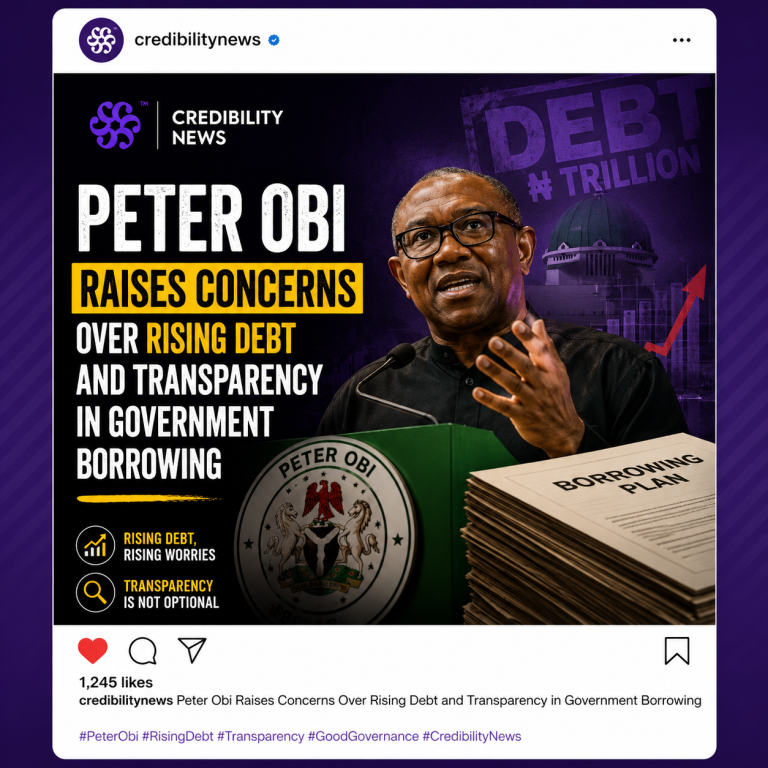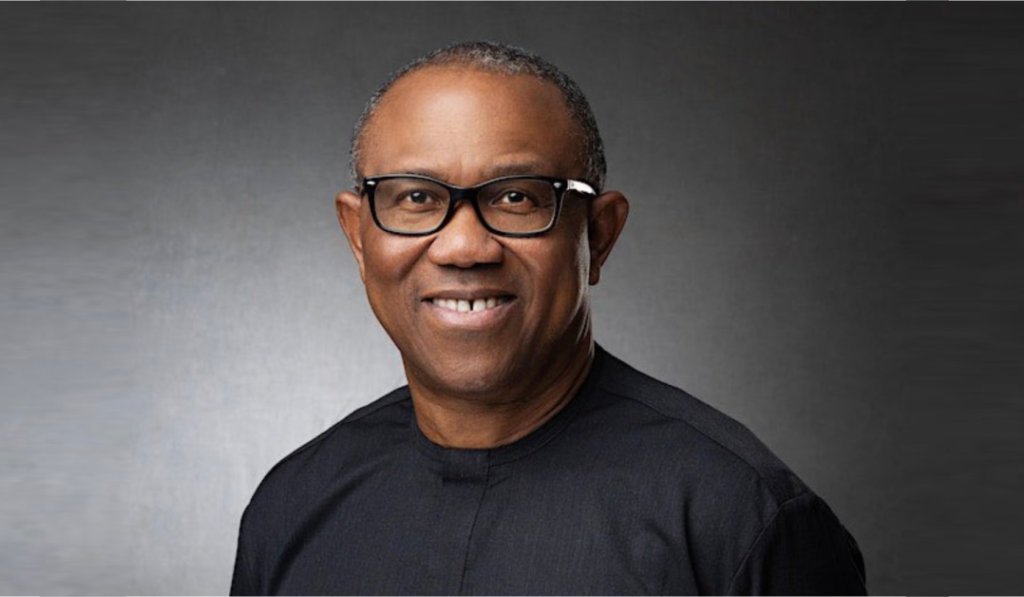
Fact: At the Nigerian Bar Association (NBA) Conference in Port Harcourt, Mr Peter Gregory Obi was asked if he would restore fuel subsidy, and he said categorically NO .
That answer should not surprise anyone who has followed Peter Obi closely. He has consistently maintained that Nigeria cannot continue with a subsidy regime that consumes enormous public resources without producing corresponding value for the people. His position has never been about telling Nigerians what they want to hear today and changing it tomorrow when the political calculation changes. Obi believes that difficult economic decisions must be taken when necessary, and that the resources realised must be transparently redirected towards productive investment, human capital and the welfare of Nigerians.
The Subsidy Debate at the NBA Conference
The 66th NBA Annual General Conference, held from August 21 to 28 in Port Harcourt under the theme “Beyond Limits,” brought together lawyers, policymakers, and political leaders for discussions on governance, democracy, and the economy . Obi participated as a guest panellist alongside other presidential candidates, including Omoyele Sowore of the African Action Congress and Rotimi Amaechi of the African Democratic Congress .
At the conference, Obi restated his position: “I subscribe and I maintain that we need to remove subsidy. Mismanagement of the proceeds should not be the reason for not removing it” . He stressed that the government should have provided alternatives for Nigerians while directing the savings from subsidy removal into productive areas that would improve the economy .
A Consistent Position Since 2012
Obi’s position has remained consistent over the years. He has argued since 2012 that Nigeria must deregulate the downstream petroleum sector and remove fuel subsidy, but has insisted that the process must be transparent and orderly . His 2023 presidential manifesto outlined a structured approach to subsidy removal, with savings reinvested in critical sectors .
He has also explained that his disagreement with President Tinubu is not about the policy itself but the manner of implementation. “I would have first sat down with operators in the industry because we know there is a lot of criminality around the subsidy,” he said in a previous interview. “I would remove it to determine the exact amount being spent on subsidy and also address the issue of exchange rate deregulation” .
A Clear Contrast with Political Rivals
Obi’s position puts him at odds with the African Democratic Congress presidential candidate, Atiku Abubakar, who has proposed the restoration of fuel subsidy if elected in 2027 . The NDC has directly contrasted Obi’s approach with both Atiku’s proposal and President Tinubu’s handling of subsidy funds.
Theo Abu Agada, NDC Director of New Media and Strategic Communications, stated: “For our presidential candidate, he will not put the money in the pockets of the governors like Tinubu, and he will not bring back the oil cabals that were benefiting from the subsidy scam, as Atiku is proposing. We will put the money in the pockets of Nigerians and also channel the funds into building quality healthcare facilities, transport infrastructure, schools, and other programmes that will create jobs for Nigerians” .
For decades, one of Nigeria’s biggest areas of corruption has been the petroleum sector, with fuel subsidy at the centre of the controversy. The system became so opaque that enormous sums were supposedly spent subsidising petroleum products while Nigerians continued to suffer shortages, high prices and deteriorating living standards.
The Case for Productive Investment, Not Consumption
Obi argues that the savings from subsidy removal must be invested in critical areas capable of substantially improving the Human Development Index: education, healthcare, poverty reduction, support for small and medium-sized enterprises and, particularly, massive investment in agriculture and agro-processing . The objective is to move Nigeria from subsidising consumption to financing production, creating jobs and empowering citizens to earn sustainable incomes .
Even with the present government presiding over a period of severe economic hardship, Peter Obi has not taken the politically easy route of promising to restore subsidy. He has repeatedly argued that the problem lies substantially in when the removal was announced and how the policy was implemented.
The Real Question
The real question, therefore, is not simply whether subsidy should exist. It is what Nigerians receive in return for the resources released by its removal. If government takes away a subsidy that once reduced the immediate cost of petroleum products, it has a responsibility to demonstrate where the savings are going and how they are improving the lives of citizens. If Nigerians must endure painful reforms, they should accordingly see measurable benefits.
Peter Obi’s answer at the NBA Conference is therefore significant. He did not change his position because an audience was watching, nor did he exploit public anger for political convenience. Peter Obi never plays to the gallery. He tells Nigerians what he believes is right, even when the answer is uncomfortable. For him, leadership is not about making the easiest promise; it is about making difficult decisions, managing public resources responsibly and ensuring that those decisions ultimately make the lives of Nigerians better