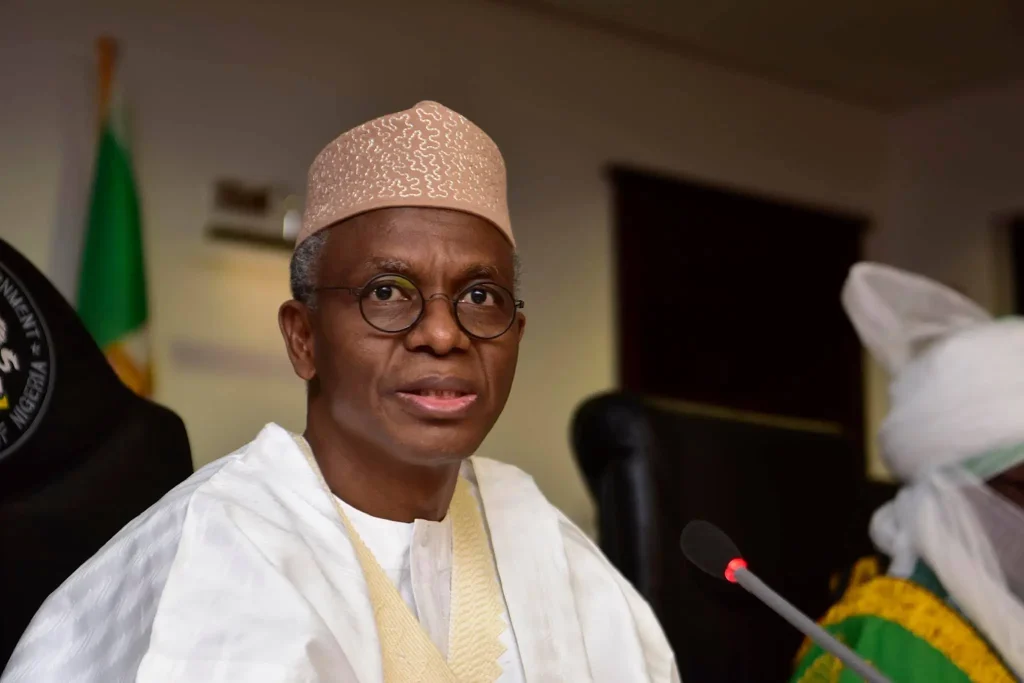
For many observers, the situation remains difficult to comprehend. El-Rufai, a prominent figure known for his strong personality, influence, and years of dominance in Kaduna State politics, is not someone easily associated with prolonged detention. Yet, as the days stretch into weeks and now months, the reality appears to defy expectations.
It is this contrast between his former political stature and his current situation that has deepened the sense of shock. El-Rufai is not just another political actor; he is a former governor, a key player in national politics, and a figure whose voice has shaped policy debates and political direction in Nigeria for years.
The idea that such a figure could remain in detention for this length of time challenges long-held assumptions about power, influence, and the protection often perceived to come with high office. For supporters and critics alike, it marks a moment that invites reflection on how quickly political fortunes can shift.
Public reactions have been mixed. While some view the development as a sign of evolving accountability within the system, others see it as a troubling indication of political undercurrents that may not yet be fully understood. Regardless of perspective, the situation has undoubtedly captured national attention.
There is also a growing sense of curiosity about the circumstances surrounding the detention. Questions continue to emerge: What led to this point? Why has it lasted this long? And what does it mean for the broader political environment? These unanswered questions have only fuelled further speculation.
Beyond the individual, the development carries wider implications. It speaks to the unpredictable nature of Nigerian politics, where alliances shift, power dynamics evolve, and yesterday’s stronghold can quickly become today’s uncertainty.
For those who closely followed El-Rufai’s political journey, the development is particularly striking. Known for his outspokenness and firm approach to governance, he commanded both loyalty and criticism in equal measure. His absence from the public space, especially under such circumstances, is therefore deeply felt.
At the same time, the situation underscores the importance of institutions and due process. In a democratic society, the rule of law must remain paramount, regardless of an individual’s status. Ensuring transparency and fairness in such matters is critical to maintaining public trust.
As the detention stretches beyond two months, attention remains fixed on what comes next. Will there be clarity? Will there be resolution? Or will the uncertainty persist?
For now, one thing is clear: the detention of Nasir El-Rufai, now spanning 78 days and counting, stands as one of the most unexpected and talked-about developments in Nigeria’s recent political history — one that continues to provoke both shock and reflection.