DUBAI— The United Arab Emirates has announced it will withdraw from OPEC, a move that could weaken the group’s grip on global oil supplies and highlight growing tensions within the Gulf.
The decision, confirmed on Tuesday, comes amid ongoing disruption to energy markets linked to the Iran conflict, which has strained regional alliances and exposed divisions among major oil producers.
The UAE, one of OPEC’s largest producers, is set to leave the organisation on May 1, ending its participation in both OPEC and the broader OPEC+ alliance.
Energy Minister Suhail Mohamed al-Mazrouei said the move followed a review of the country’s long-term energy strategy.
“This is a policy decision taken after careful consideration of current and future production plans,” he said, adding that the UAE had not consulted other nations before making its choice.
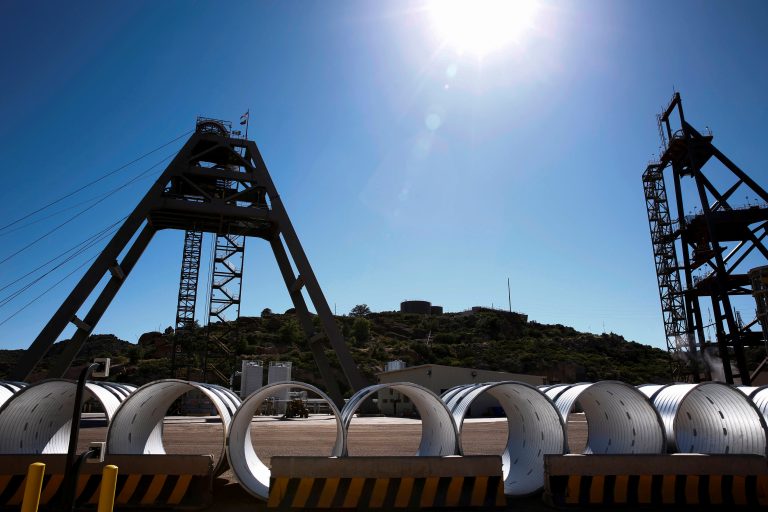
The exit would free the UAE from OPEC production quotas, potentially allowing it to increase output once exports through the Gulf return to normal levels.
Oil prices pared earlier gains following the announcement, although immediate market impact is expected to be limited due to ongoing disruptions in the Strait of Hormuz.
The vital shipping route — through which roughly a fifth of the world’s oil and liquefied natural gas typically passes — has been affected by heightened tensions and attacks linked to Iran, restricting exports from Gulf producers.
According to the International Energy Agency, OPEC+’s share of global oil output has already declined in recent months as supply constraints intensify. The UAE’s departure is likely to accelerate that trend.
Analysts say the move could ultimately benefit oil-consuming nations by increasing supply once geopolitical tensions ease. It may also allow the UAE to expand its share of the global market.
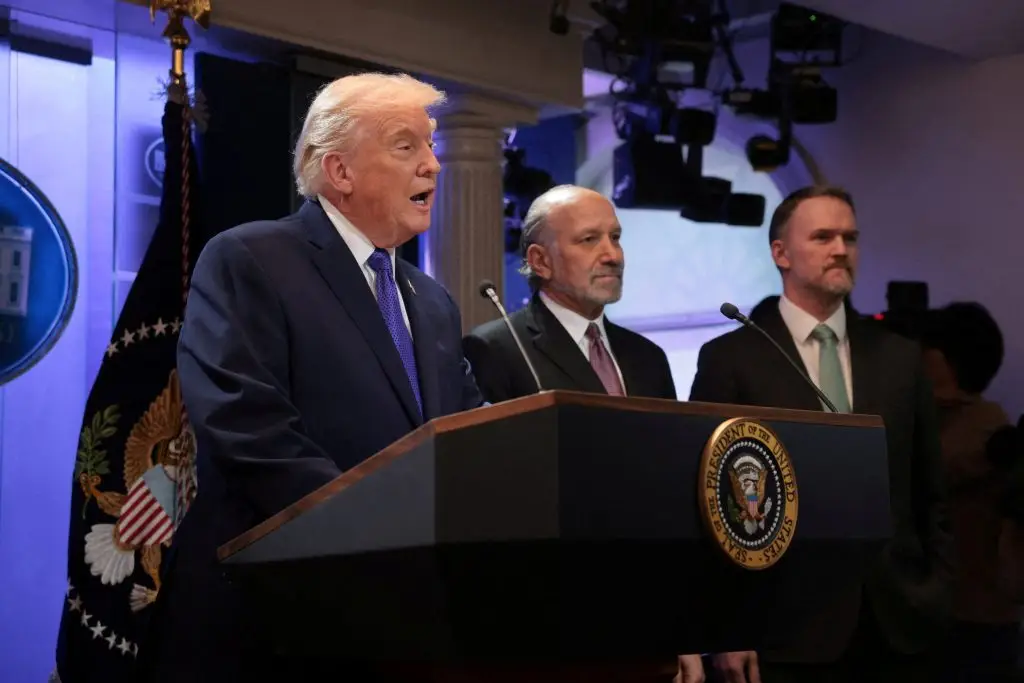
The development has been viewed as politically favourable for Donald Trump, who has previously criticised OPEC for keeping oil prices artificially high and linked US security support in the Gulf to energy pricing.
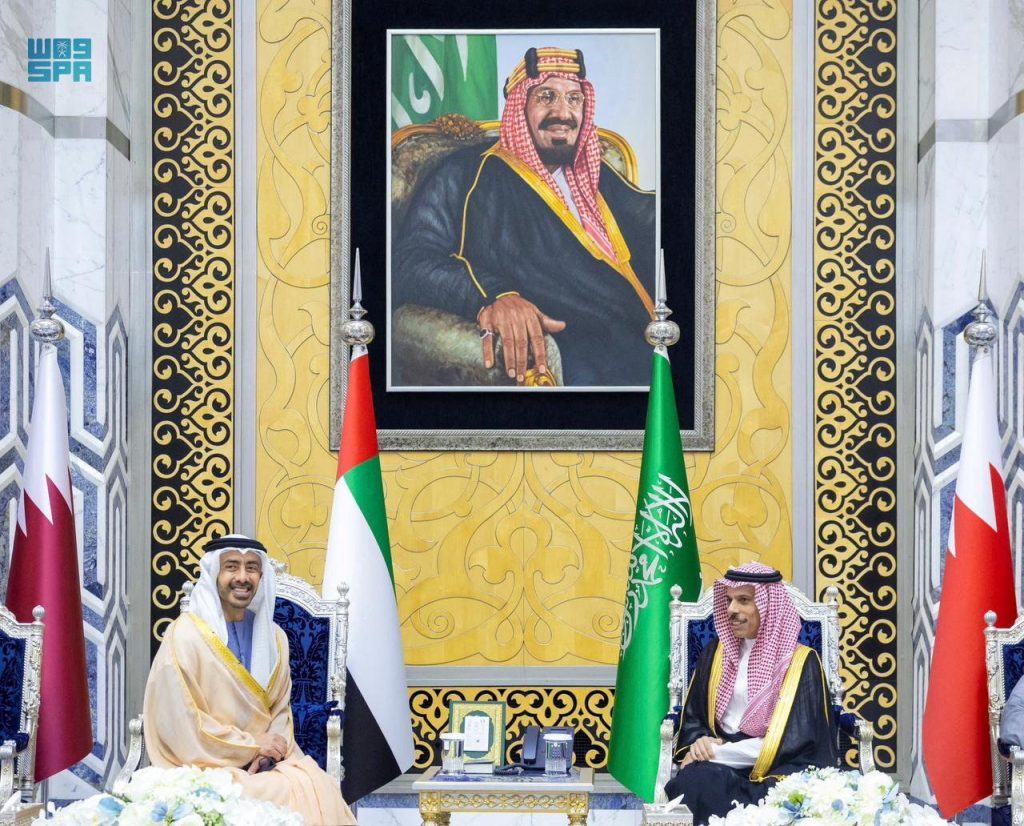
The decision also underscores a widening rift between the UAE and Saudi Arabia, long considered the dominant force within OPEC.
While the two nations have historically been close allies, they have increasingly diverged on energy policy, regional strategy and economic competition.
The UAE has sought to position itself as a global business hub and has expanded its diplomatic and strategic ties, including closer cooperation with the United States and Israel following the 2020 Abraham Accords.
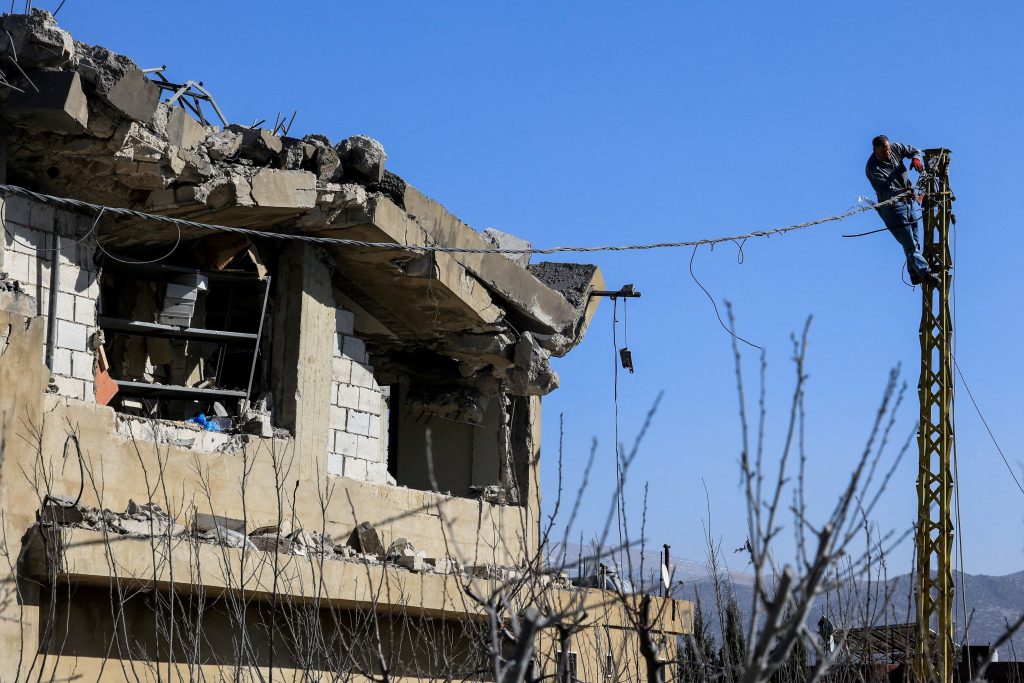
The announcement comes as Gulf states grapple with the fallout from escalating conflict involving Iran, including missile and drone attacks targeting the region.
Leaders from several Gulf countries met in Saudi Arabia on Tuesday to coordinate a response to the ongoing security challenges.
Source: Reuters